How Often Should Gutters Be Cleaned in Oregon? - Suds Doctor
Oregon Gutter Maintenance

How Often Should Gutters Be Cleaned in Oregon?

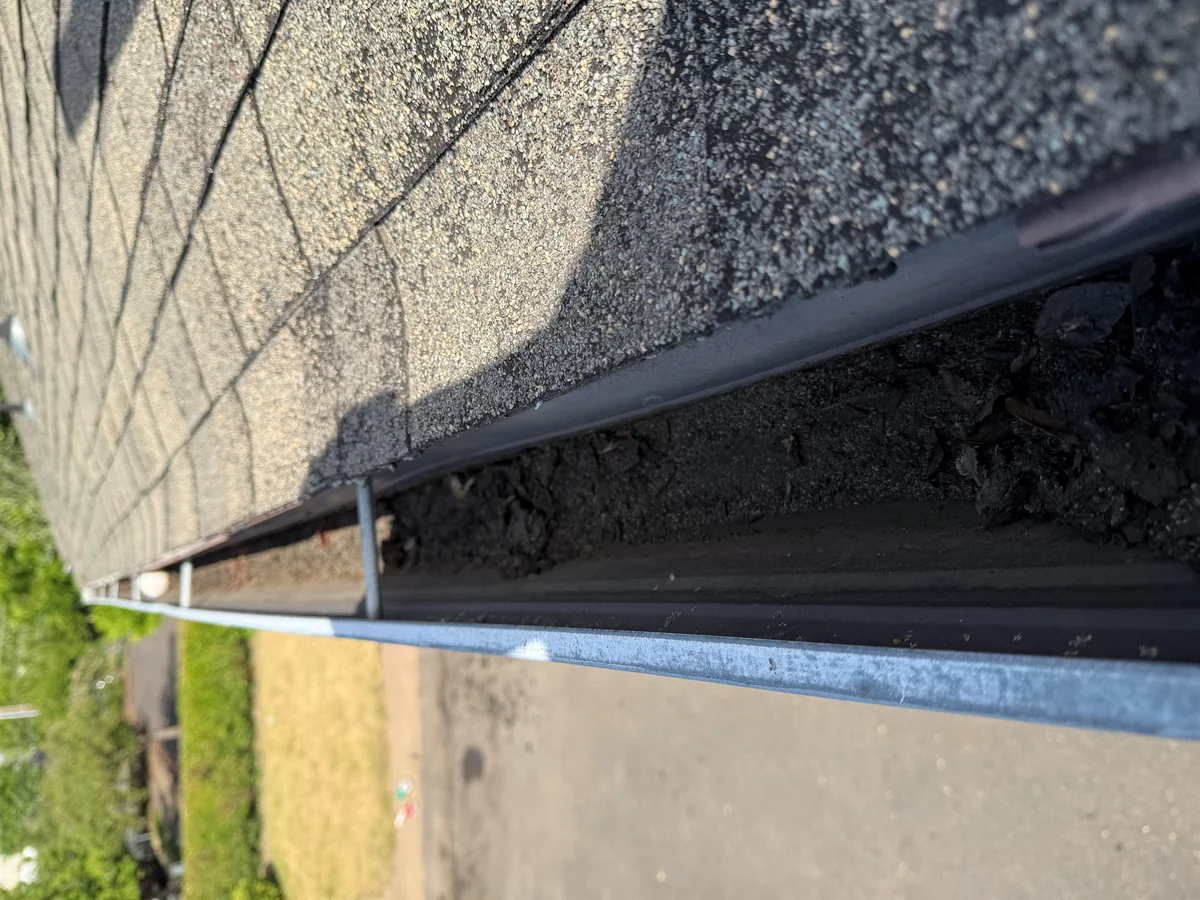
Most Oregon homes should have gutters checked at least twice a year, usually in fall and spring. Homes under firs, cedars, maples, or other evergreen trees may need a tighter gutter cleaning schedule because needles and leaves keep dropping into the system.

Oregon gutters packed with leaves and fir needles before cleaning
Heavy rain exposes gutter problems quickly when debris blocks the flow.
Schedule

Realistic Gutter Cleaning Schedule for Oregon

Oregon gutter cleaning schedule
Property ConditionRecommended TimingReason
Average homeFall and spring checkLeaves, roof runoff, and winter rain load the gutters.
Evergreen or fir trees nearby2 to 4 times per yearNeedles drop outside normal leaf season.
Overflow or known clogsClean as soon as practicalOverflow can affect fascia, siding, walkways, and drainage.
Rain and Trees

Fir Needles, Leaves, and Heavy Rain Change the Plan

Oregon gutters deal with more than fall leaves. Fir needles, cedar debris, moss pieces, pollen, and roof grit can collect through much of the year. Heavy rain then packs that debris into outlets and downspouts.

Fall cleaning helps before the wettest stretch. Spring cleaning clears what winter storms moved around and shows whether roof runoff is flowing correctly.

Maintenance

Gutter Maintenance Protects the Drainage Path

Gutters are there to move water away from fascia, siding, entries, landscaping, and foundations. When they clog, water finds another path, usually over the front edge or behind debris.

For most homeowners, a scheduled gutter cleaning visit is less stressful than waiting until water is pouring over the edge during a storm.

Seasonal Plan

Use Fall and Spring as Checkpoints, Not Guarantees

Late fall is useful after deciduous leaves have dropped but before the wettest stretch has fully settled in. Spring is useful after winter storms have moved needles, moss pieces, and roof grit toward valleys and outlets. Those checkpoints catch many problems, but the trees above the roof decide whether two visits are enough.

A maple-heavy property may receive a concentrated leaf drop. A home under Douglas firs or cedars can collect needles across much more of the year. Wind direction, roof valleys, upper roofs draining onto lower roofs, and nearby greenbelts can load one gutter run much faster than another.

Condition-Based Timing

Shorten the Schedule When the System Gives Evidence

Move to a tighter inspection rhythm when gutters overflow before the season ends, downspouts repeatedly clog, plants appear in the trough, or roof debris returns quickly after cleaning. A new roof-moss problem can also change the schedule because loosened material moves toward valleys and gutter outlets.

Do not wait for a scheduled month when water is already spilling over an entry or pooling near the house. The companion guide to gutter-cleaning warning signs explains how to distinguish ordinary debris from pitch, downspout, fascia, and drainage concerns.

Property Factors

Build the Schedule Around the Roof and Trees

Two homes on the same Beaverton street may need different maintenance because their rooflines and debris exposure are different.

Factors that shorten or lengthen an Oregon gutter-cleaning schedule
Property FactorWhat It ChangesPlanning Approach
Open lot with few nearby treesLess leaf and needle loadingInspect in fall and spring; clean according to actual accumulation.
Douglas firs or cedars near the roofNeedles and small debris arrive beyond leaf seasonInspect more often, especially at valleys and downspout outlets.
Complex roof with valleysDebris is concentrated into fewer drainage pointsCheck the receiving gutters after storms and seasonal drops.
Gutter guardsSome material stays on top while fine debris may pass throughInspect both the guard surface and accessible outlets; guards are not maintenance-free.
Recurring roof mossLoose organic material can refill guttersCoordinate gutter timing with the roof-maintenance plan.
Steep lot or multi-story accessInspection and cleaning carry greater safety demandsUse ground observations and professional access rather than extending a risky DIY interval.
Gutter Guards

Guards Change the Work but Do Not End It

Guards can reduce large leaves entering the trough, but needles, pollen, roof grit, moss fragments, and seed material can collect on top or pass through openings. Water can overshoot a clogged guard edge even when the gutter below is partly clear.

The inspection should identify the guard type, how it is attached, whether it can be accessed without damage, and whether debris is sitting above or below it. A quote for open gutters is not automatically the same scope as a guarded system.

Downspouts

Include the Outlet in Every Maintenance Check

A clean-looking trough is not useful if the outlet is packed. Observe whether each downspout moves water during rain and where that water goes at ground level. Quiet downspouts, slow drainage, and water standing near the outlet deserve attention.

Accessible downspout checks are part of ordinary maintenance. Buried drainage is separate. If water leaves the downspout but backs up from an underground connection, the problem may belong with a drainage contractor rather than repeated gutter cleaning.

Safe Inspection

Use Ground-Level Evidence Whenever Possible

Watch the gutter during steady rain from a safe location. Photograph overflow, quiet downspouts, staining, and washed-out landscaping. After the weather clears, look for visible debris from the ground rather than climbing onto a wet roof.

Professional help is sensible when access involves multiple stories, steep grades, fragile roofing, electrical service, gutter guards, or a ladder position that cannot be made stable. A maintenance schedule should never encourage an unsafe inspection simply because a date arrived.

Local Record

Keep Notes From One Wet Season to the Next

Record the cleaning date, debris type, problem outlets, and whether overflow occurred before service. Note the trees closest to the roof and which runs fill first. A simple record turns a generic twice-yearly recommendation into a schedule based on the property.

For Beaverton, Hillsboro, Aloha, Tigard, and nearby westside homes, the most useful plan is often an annual inspection rhythm with service adjusted to actual needles, leaves, moss, and drainage performance. Send photos and access notes through the Instant Estimate when the schedule or scope is unclear.

FAQ

Oregon Gutter Schedule FAQs

Is twice a year enough for every Oregon home?

No. Fall and spring are useful checkpoints, but homes under firs, cedars, maples, or complex roof valleys may need more frequent inspection and cleaning.

When should fall gutter cleaning happen?

Timing should follow the main debris drop on the property while still leaving enough margin before prolonged heavy rain. Evergreen debris may require another check outside the deciduous leaf season.

Do gutter guards reduce cleaning frequency?

They may reduce some debris inside the trough, but they still need inspection. Material can collect on top, pass through, or block outlets.

Should gutters be checked after roof cleaning?

Yes. Roof work can move moss, needles, and grit toward valleys and gutters. The roof and drainage scopes should be coordinated.

What if gutters overflow soon after cleaning?

Check for a blocked downspout, poor pitch, guard issues, roof runoff concentration, or an underground drainage problem instead of assuming the same debris has simply returned.

Four-Season Check

What to Look for Through the Year

Winter: observe overflow, quiet downspouts, and discharge during steady rain from a safe location. Spring: review what storms moved into valleys and outlets. Summer: photograph roof and gutter conditions while access and visibility are often better. Fall: follow the property's actual leaf and needle drop instead of choosing a date too early.

This does not mean four cleanings every year. It means four opportunities to gather evidence. An open property may need only routine service, while a home below firs or maples may show debris at more than one checkpoint.

Keep the inspection simple and ground-based. When access is unsafe, photos of overflow and roof exposure are enough to start a professional conversation.

Call Now (971) 777-1441