Homeowner Guides - Suds Doctor
Homeowner Resource Center

Oregon Exterior Cleaning Guides

Understand the surface, the growth, and the maintenance decision before requesting a quote. Suds Doctor's homeowner guides explain roof moss, low-pressure house washing, gutter flow, slippery concrete, cleaning frequency, project preparation, and realistic costs for Beaverton-area homes—without turning education into a disguised sales pitch.

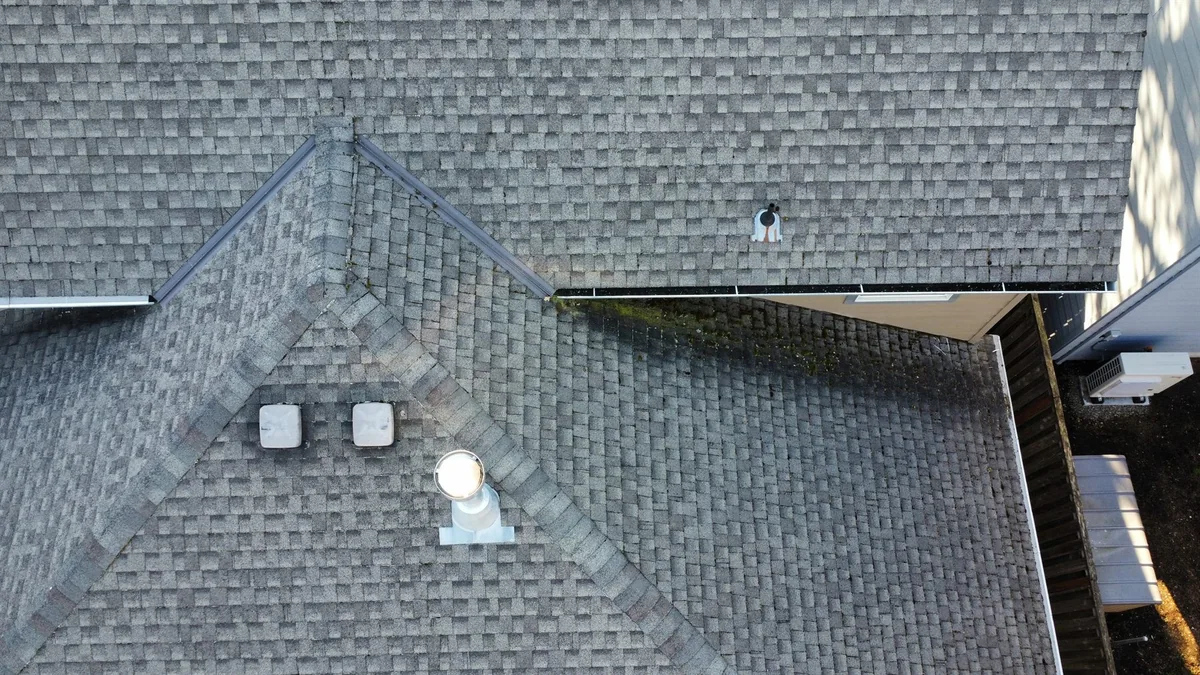
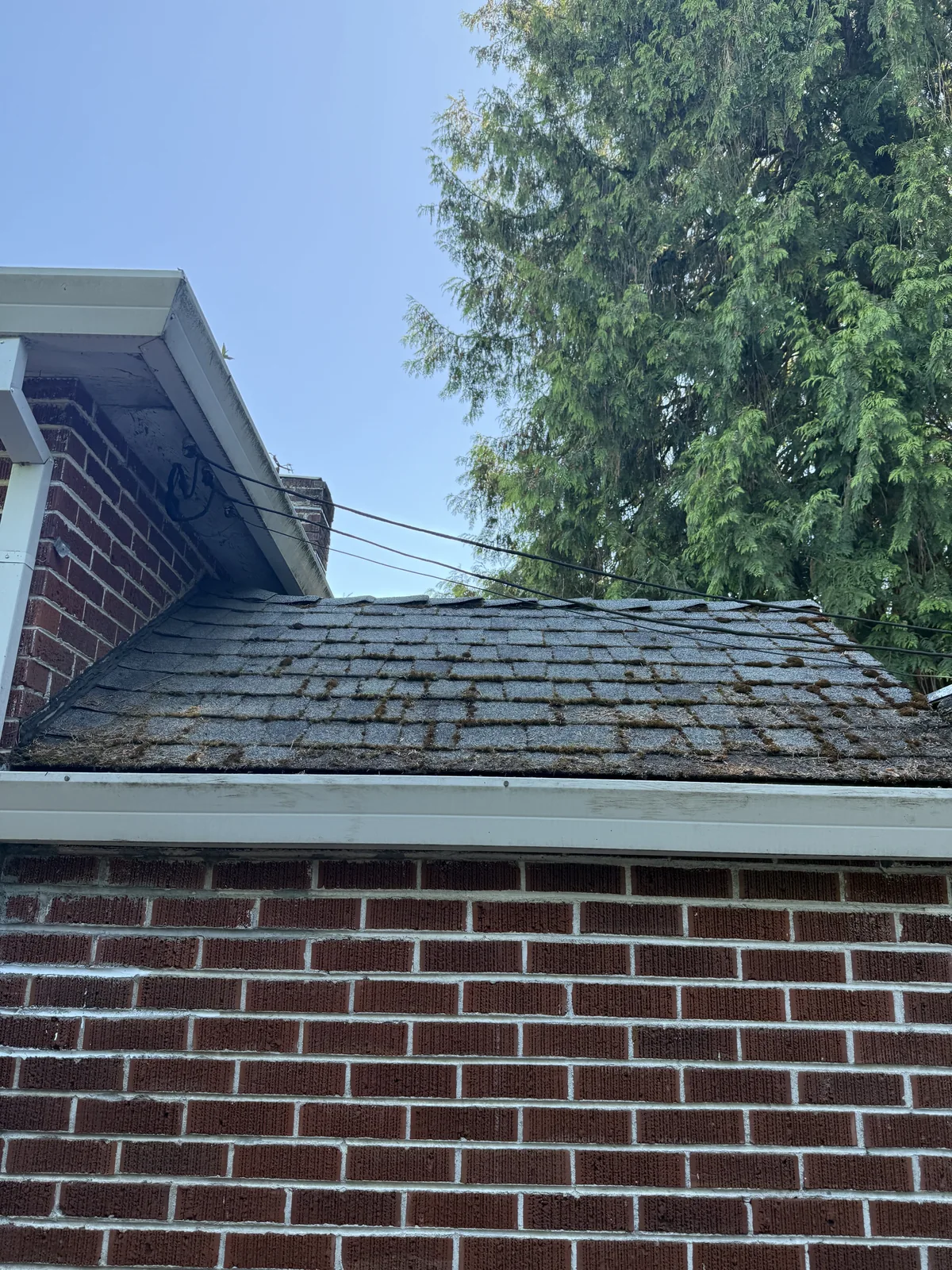
Residential asphalt roof showing sections that need different moss-care decisions
A roof condition example used to help homeowners compare cleaning and treatment decisions.
How to Use This Library

Start With the Problem, Then Choose the Service

If the roof has a few green patches, begin with treatment timing and the difference between cleaning and treatment. If water spills over a gutter, start with blockage signs and inspection frequency. If a walkway is slick, learn why organic film develops before assuming every dark mark needs maximum pressure.

Guides explain what cleaning can change, what may remain, and when repair should come first. They do not replace an inspection by a roofer, painter, drainage professional, or other qualified trade when the underlying material is failing.

The most useful maintenance decision may be cleaning, treatment, repair, monitoring, or doing nothing yet.
House Washing

Siding, Algae, and Low-Pressure Cleaning

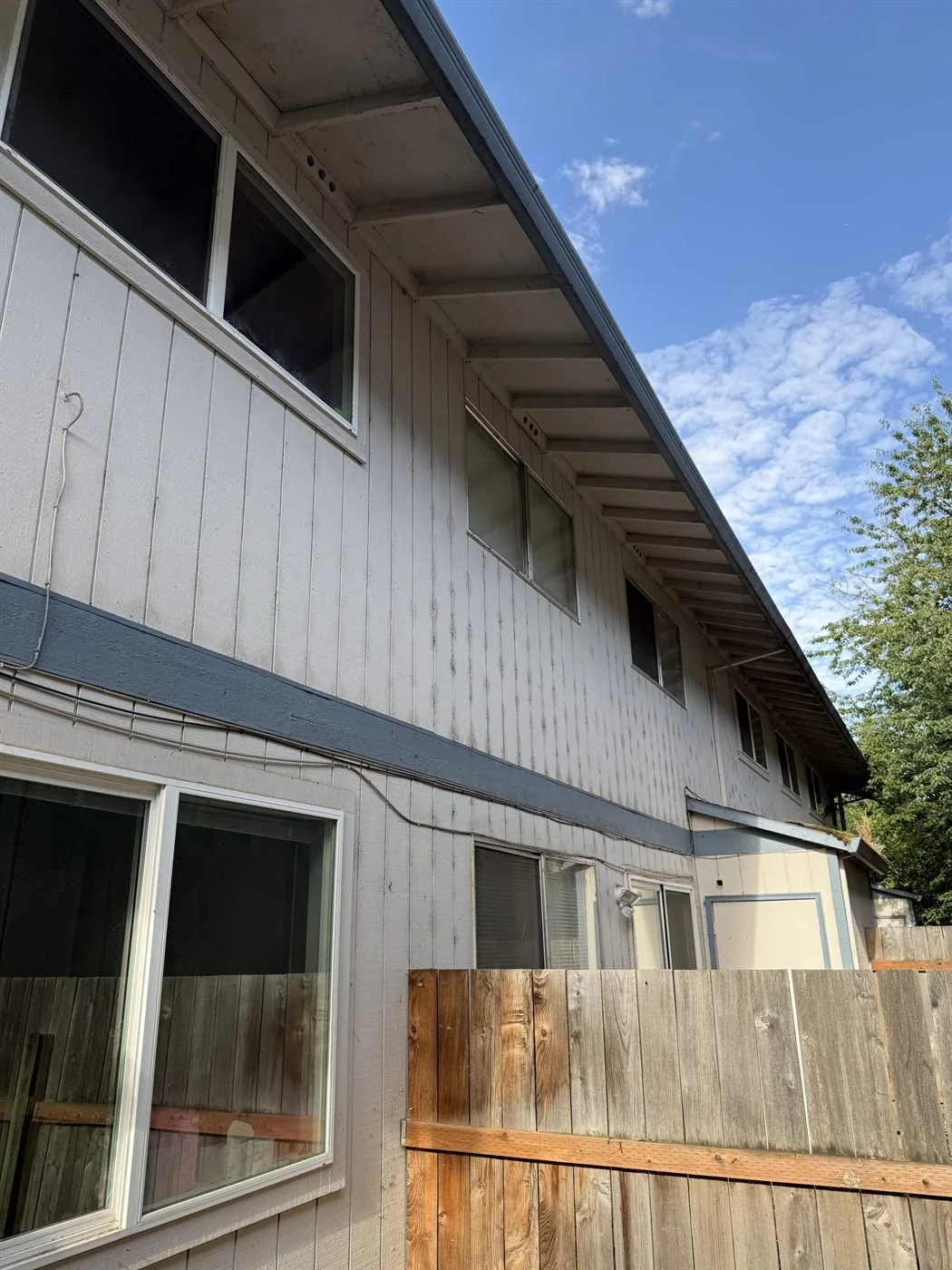
Use these guides to distinguish organic film from oxidation, paint failure, and material damage.

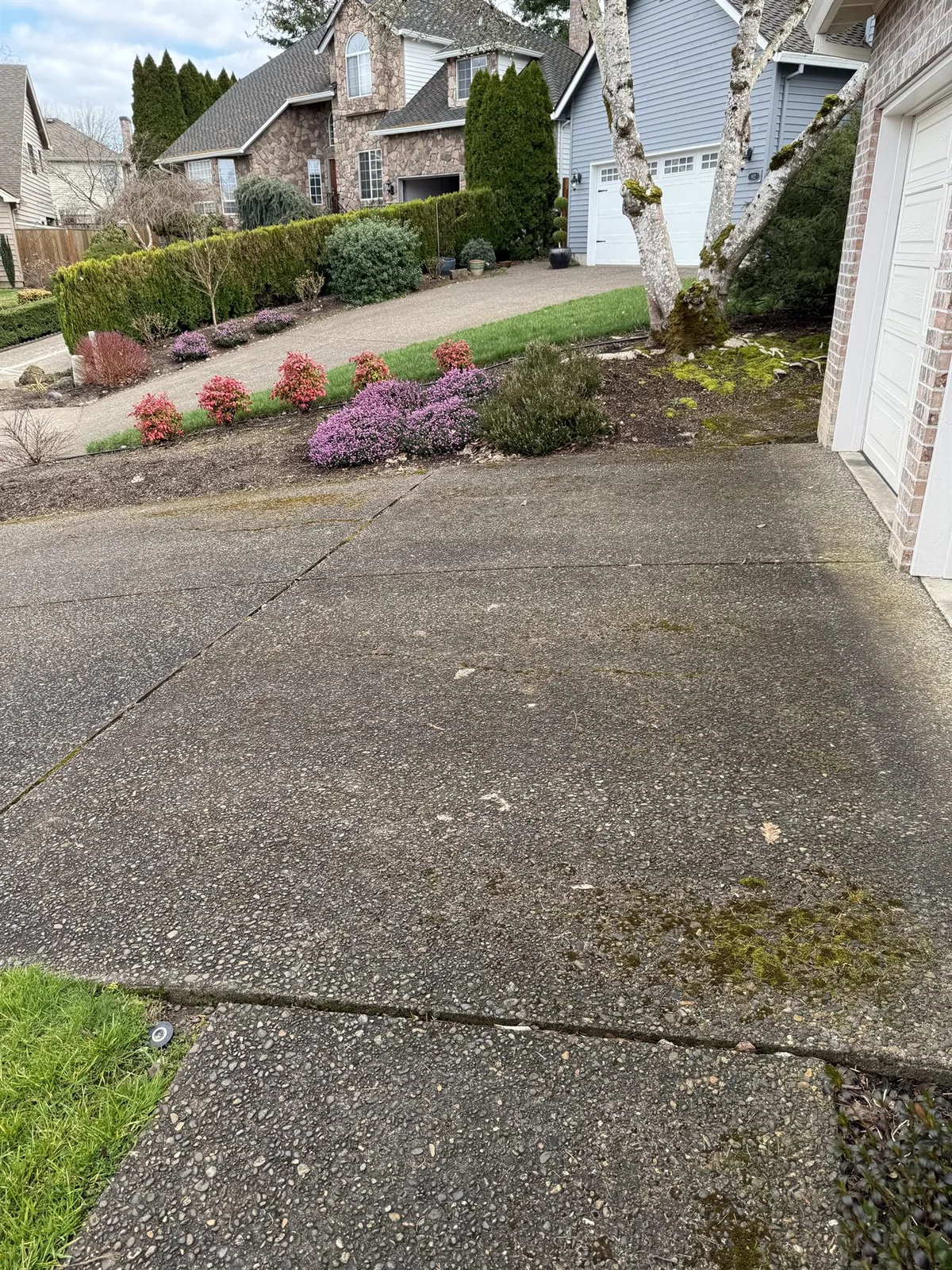
Concrete and Pressure Washing

Driveways, Walkways, Patios, and Stains

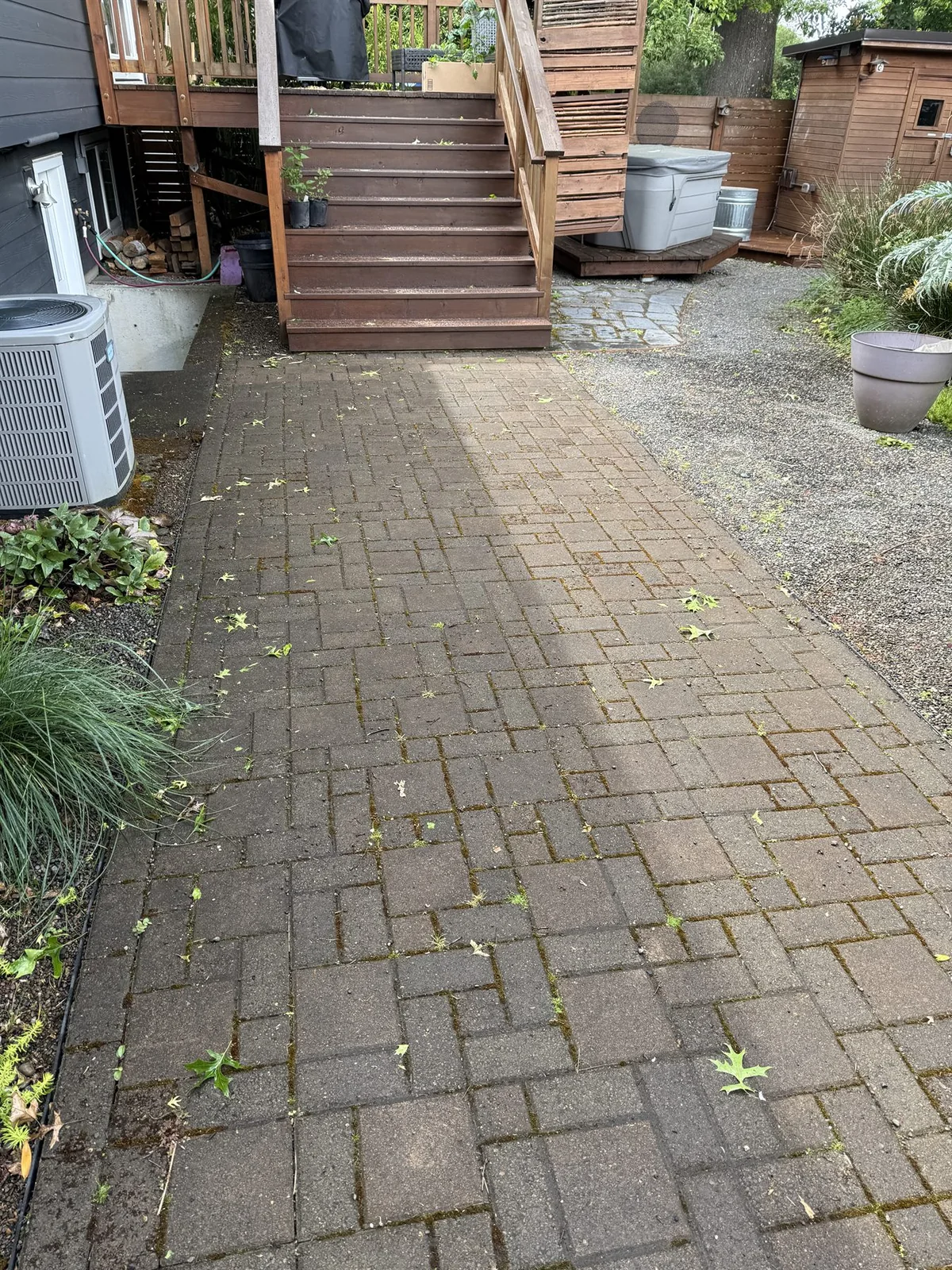
Organic film, oil, rust, minerals, coatings, and damaged concrete do not respond the same way.

Gutter Guides

Debris, Downspouts, and Oregon Rain

Cleaning accessible gutters cannot repair pitch, seams, hangers, incorrect discharge, or blocked underground drainage. Observe the whole water path before assuming debris is the only problem.

General Home Maintenance

Prepare the Property and the Plan

The pre-listing exterior cleaning guide helps homeowners prioritize visible, safe, and repair-ready work before photography or listing.

Before any service, close windows, secure pets, move fragile items, identify exterior outlets and cameras, and disclose leaks or damaged materials. Do not climb onto a wet roof or move objects that are unsafe to lift.

Use the Services authority page to match the guide topic with the correct service, and the Service Areas directory for local property context.

Planning and Costs

Beaverton Cost Guides

Cost resources provide a starting point—not a substitute for measurements, photos, access, material condition, and a defined scope.

Related Projects

See the Conditions Behind the Advice

Real projects show why service recommendations change from one property to another.

Moss in Portland patio paver joints before cleaning

Portland Pavers

Joints, moss, patio surfaces, drainage, and recurring weeds.

Quick Decision Checklist

Before You Clean Anything

Five questions prevent the most common mismatches between problem and service.

01

What is the material?

Asphalt shingle, siding, concrete, paver, coating, wood, and masonry need different methods.

02

Is it sound?

Repair peeling paint, soft wood, loose material, active leaks, or failing roofing first.

03

What is the buildup?

Algae, moss, oil, rust, minerals, oxidation, and permanent wear are not interchangeable stains.

04

Where will water go?

Trace runoff toward drains, foundations, planting beds, public walks, and neighboring property.

FAQ

Homeowner Guide FAQs

Use these answers to navigate the resource center.

Are these guides written only for Beaverton homeowners?

They focus on Beaverton and westside Oregon conditions, but many principles about material safety, moss, algae, gutters, and concrete apply across nearby communities.

Can a guide replace an on-site inspection?

No. Guides help homeowners ask better questions and recognize warning signs. Complex access, damaged materials, roof safety, drainage, and unusual stains may require an inspection.

Why don't the guides recommend one annual schedule?

Tree cover, shade, roof direction, rainfall exposure, drainage, material condition, and actual growth vary too much for one honest schedule.

Is pressure washing safe for every exterior surface?

No. It is intended for appropriate durable surfaces. Asphalt shingles, siding, fragile masonry, failing coatings, and damaged materials need gentler methods or repair.

Why can stains remain after cleaning?

Oil, rust, mineral deposits, oxidation, old sealer, material wear, and permanent discoloration are different from removable organic film.

How are cost guides different from an estimate?

Cost guides explain common pricing factors. An estimate applies measurements, photos, access, condition, growth, stains, and requested scope to a particular property.

Where can I see real examples?

The Projects directory documents completed roof, siding, driveway, patio, paver, gutter, and property-protection conditions with real jobsite photos.

What if I still do not know which service fits?

Send the property address, photos, surface type, visible problem, access notes, and desired outcome. Suds Doctor can help identify the relevant service or explain when another trade should come first.

Need a Property-Specific Answer?

Turn Your Research Into a Clear Next Step

Send the address and a few daylight photos. Explain whether the concern is roof condition, active overflow, slippery concrete, siding algae, preparation for sale, or general appearance.

We will use that context to recommend the most relevant service page, request more information, or tell you when repair or another specialist should come first.

Decision Order

Read From Condition to Cost

  1. Identify the material: roofing, siding, concrete, pavers, gutters, and coatings need separate advice.
  2. Understand the buildup: moss, algae, oil, rust, minerals, oxidation, and material wear are different conditions.
  3. Compare methods: decide whether cleaning, treatment, repair, monitoring, or another trade fits.
  4. Review project evidence: compare your property with documented jobsite conditions without assuming identical results.
  5. Use cost guides last: budget ranges become more meaningful after the scope is defined.

This order prevents a price page from becoming the first and only maintenance decision.

Build a Home Record

Make Future Maintenance More Specific

Save dated photos of the north roof, shaded siding, gutter outlets, daily walking routes, and unusual stains. Record roof type, paint dates, concrete coatings, gutter repairs, and drainage changes when known.

After cleaning or treatment, note which areas improved and which marks remained. If one wall or valley returns faster, the next inspection can focus there instead of automatically repeating a whole-property package.

A simple record also improves estimates. It helps distinguish recurring organic growth from a new leak, coating failure, concrete movement, or drainage problem that belongs with another professional.

DIY Safety Boundary

Know When Research Should End and a Professional Should Begin

Stay off wet, steep, brittle, or unfamiliar roofs. Do not mix cleaning chemicals without understanding their reactions, and do not aim high pressure at shingles, siding, windows, electrical fixtures, or failing masonry.

Stop when the condition involves active leaks, soft wood, loose material, unstable ladders, steep grades, uncertain electrical safety, or runoff you cannot control. A guide can explain the issue, but it cannot make unsafe access acceptable.

Good homeowner education should make it easier to postpone a risky project—not simply make every task sound do-it-yourself.

Call Now (971) 777-1441