
Why Driveways Get Slippery in Oregon - Suds Doctor
Oregon Concrete Guide

Why Driveways Get Slippery in Oregon

A slippery driveway in Oregon is usually caused by algae on concrete, moss on driveway edges, shade, moisture, and the porous surface of concrete holding organic buildup. The slickest spots are often the damp areas that get the least sun.

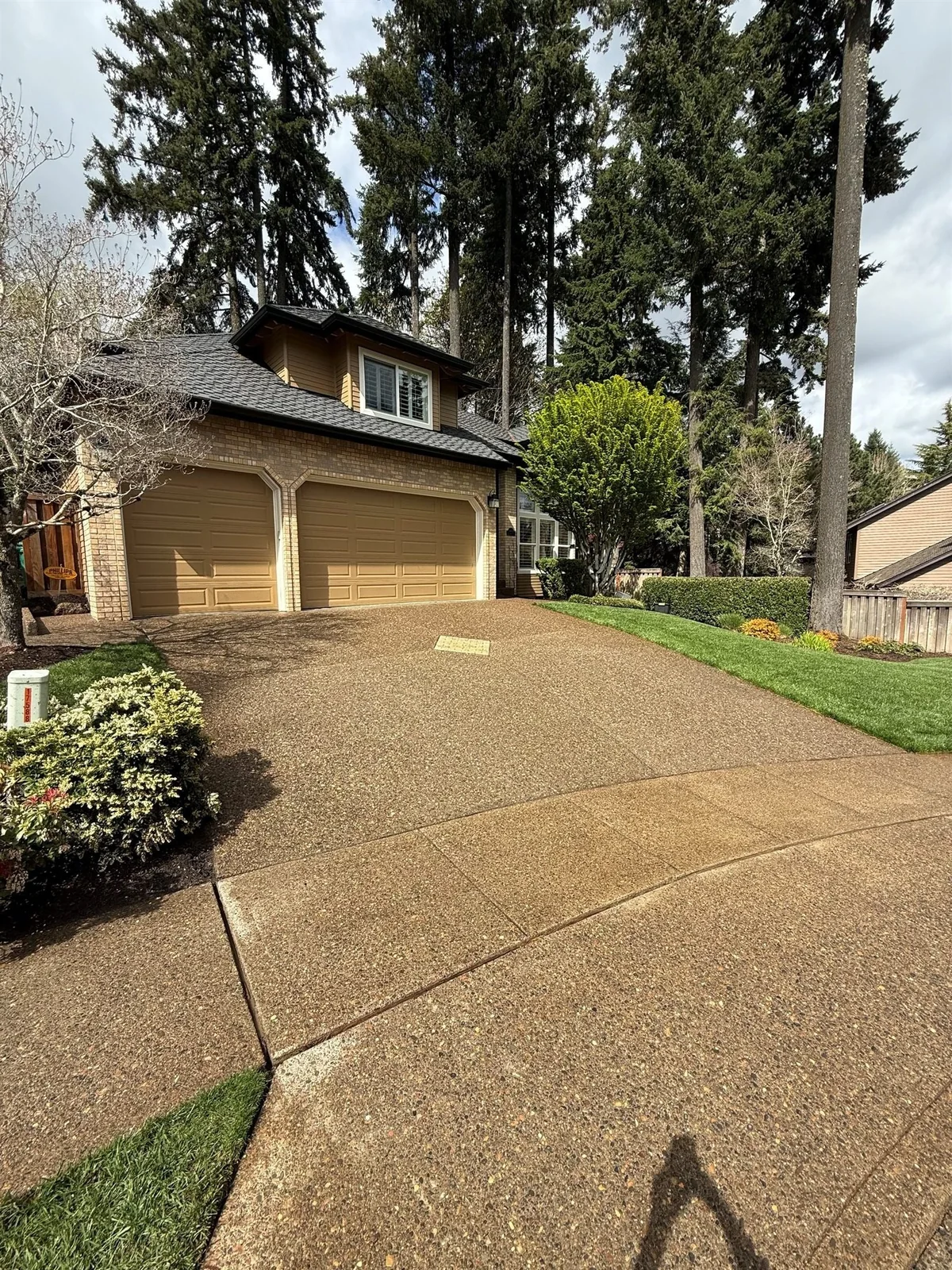
Moss and algae on concrete driveway creating a slippery Oregon surface
Shaded concrete can become slick before it looks heavily stained.
Causes

Algae, Moss, Moisture, and Shade Work Together

Oregon rain keeps concrete damp. Shade from homes, fences, and trees slows drying. Once algae and moss settle into the surface texture, wet concrete can feel slick underfoot, especially on sloped driveways and walkway transitions.

Concrete is porous, so organic buildup can sit in small surface openings. Smooth, worn, or shaded concrete may become slippery faster than sunny, open areas.

Hazards

Slip Hazards Usually Start in Predictable Areas

Look at the north side of the driveway, low spots, areas under trees, edges near lawns, and sections where downspouts or irrigation overspray keep concrete wet. These are the places where algae on concrete and moss on driveway surfaces usually return first.

Cleaning helps remove the slick layer. Prevention usually means improving drainage where practical, trimming back shade, keeping debris off the surface, and cleaning before buildup gets thick.

Cleaning

Pressure Washing Can Reset the Surface

Controlled pressure washing can remove algae, moss, and grime from durable concrete. A post-treatment may help slow the return of organic growth in shaded areas.

Not every stain disappears, but reducing the slick organic layer is the main safety goal. For driveway, walkway, and patio cleaning, see Suds Doctor's pressure washing service.

Find the Cause

Not Every Slippery Surface Is an Algae Problem

Traction can change because of organic film, standing water, oil, winter ice, worn concrete, or a coating. Identifying the cause keeps a cleaning project from promising a drainage or repair result.

Common reasons Oregon driveways feel slippery
ConditionClueUseful Response
Algae or moss filmGreen or dark buildup becomes slick when wetClean the organic layer and monitor how quickly shade brings it back.
Standing waterPuddles remain after nearby concrete driesReview slope, settlement, downspouts, and drainage; cleaning cannot change grade.
Oil or vehicle fluidsLocalized dark or rainbow-sheened spotContain and absorb fresh material, then use stain-specific treatment.
Sealer or coatingBroad smooth area feels slick without obvious growthIdentify the product and ask the installer or coating specialist about traction.
Ice or frostHazard appears during cold morningsRestrict access and use an appropriate winter-safety plan; washing is not the immediate fix.
Safety Check

Prioritize the Route People Actually Walk

The whole driveway does not carry equal risk. Start with the path from the parked car to the front door, sloped sections, steps, walkway transitions, mailbox approaches, and areas used by children, tenants, customers, or older visitors. A narrow shaded strip can matter more than a large stained area no one crosses.

Inspect from a stable, dry position. Do not deliberately test traction on a steep wet slope. Use photographs to mark recurring trouble spots and restrict access when a surface is actively unsafe. If water flows across a public sidewalk or neighboring property, drainage deserves attention in addition to cleaning.

Surface Condition

Concrete, Pavers, and Coatings Need Different Care

Broom-finished concrete, exposed aggregate, pavers, patched slabs, and sealed decorative surfaces do not respond identically. Aggressive pressure can etch softer concrete, loosen weak edges, disturb paver joints, or create visible stripes. A test area is sensible when the surface is old, previously coated, or already damaged.

The broader guide on how to clean an Oregon driveway covers equipment, stain expectations, DIY limits, and concrete condition. This page owns the narrower question of why traction changes and which areas should be addressed first.

Recurrence

Cleaning Removes Buildup but Does Not Change the Microclimate

A cleaned driveway can become slippery again when the same shade, debris, overspray, and runoff remain. Around Beaverton and the west Portland metro, fir needles, leaves, fences, retaining walls, and long wet stretches can keep one part of a driveway damp after the rest has dried.

Sweep organic debris before it mats down, redirect irrigation overspray, keep accessible drains clear, and address downspouts that discharge across walking routes. Trim vegetation only where practical and appropriate. The goal is not to eliminate Oregon moisture; it is to shorten the time water and debris sit on the surface.

Realistic Outcome

Better Traction Is the Main Goal

Cleaning can remove the organic layer that makes sound concrete slick. It cannot repair settlement, restore worn texture, reverse etching, remove every deep stain, or guarantee that a shaded surface never becomes slippery again.

When oil is part of the problem, read the guide to oil stain removal from concrete. When the surface is structurally sound and organic buildup is established, Suds Doctor can review photos for a concrete-cleaning estimate.

Seasonal Timing

Late Summer Is Useful for Planning Before the Long Wet Stretch

Dry weather can make buildup, cracks, coatings, and drainage easier to inspect. Cleaning before prolonged rain may improve the daily walking route, but the surface should be serviced only when weather and runoff can be controlled safely.

Winter cleaning depends on temperature, rain, wind, access, and drying conditions. When a surface is actively icy or unsafe, restrict access rather than treating cleaning as an emergency cure. Spring is useful for seeing which shaded areas remained slick through the wettest months.

Shared Properties

HOAs and Rentals Need a Clear Responsibility Line

Townhomes, shared drives, rental properties, and managed communities may divide responsibility between owners, associations, and managers. Confirm who controls the driveway, walkway, drainage, water access, notice, and work hours before scheduling.

Document the hazardous area with dated photos and identify an alternate walking route when practical. A clearly defined scope protects residents and prevents a private driveway cleaning from being mistaken for repair of shared drainage or public sidewalk conditions.

FAQ

Slippery Driveway FAQs

Why is only one side of my driveway slippery?

That side may receive less sun, more tree debris, irrigation overspray, or downspout runoff. Drying time often changes within a few feet on the same driveway.

Will pressure washing permanently stop algae?

No. Cleaning removes current buildup, but recurring shade and moisture can support new growth. Maintenance should follow actual traction and buildup rather than a permanent-prevention promise.

Can cleaning fix puddles?

No. Cleaning may clear surface debris from an accessible drain, but it cannot correct slab settlement, poor grade, or an undersized drainage system.

Are pavers cleaned the same way as poured concrete?

No. Paver condition, joints, sand, weeds, edge stability, and previous sealer all affect the method and expected result.

When should a slippery driveway be cleaned?

Act when organic buildup affects the walking route and conditions allow safe runoff and access. Active ice, structural defects, and drainage failures need a different response.

Property Walkthrough

Make a Simple Traction Map

After several rainy days, mark the surfaces used every day: parking area, garage approach, front walk, steps, side gate, trash route, and mailbox path. Note shade, slope, puddles, leaves, downspouts, irrigation, and changes in surface texture. Take photos without walking onto an area that already feels unsafe.

Repeat the check after cleaning and again during the next wet season. If one strip becomes slick first, focus maintenance there and investigate the water source. If the whole coated or sealed surface remains slippery without visible growth, cleaning may not be the right solution.

For estimates, include the route people use, not only a close-up of green concrete. That context helps prioritize safety and avoids pricing a large cosmetic area while missing the smaller section that creates the real concern.

Call Now (971) 777-1441