Service FitWhere Pressure Washing Makes Sense
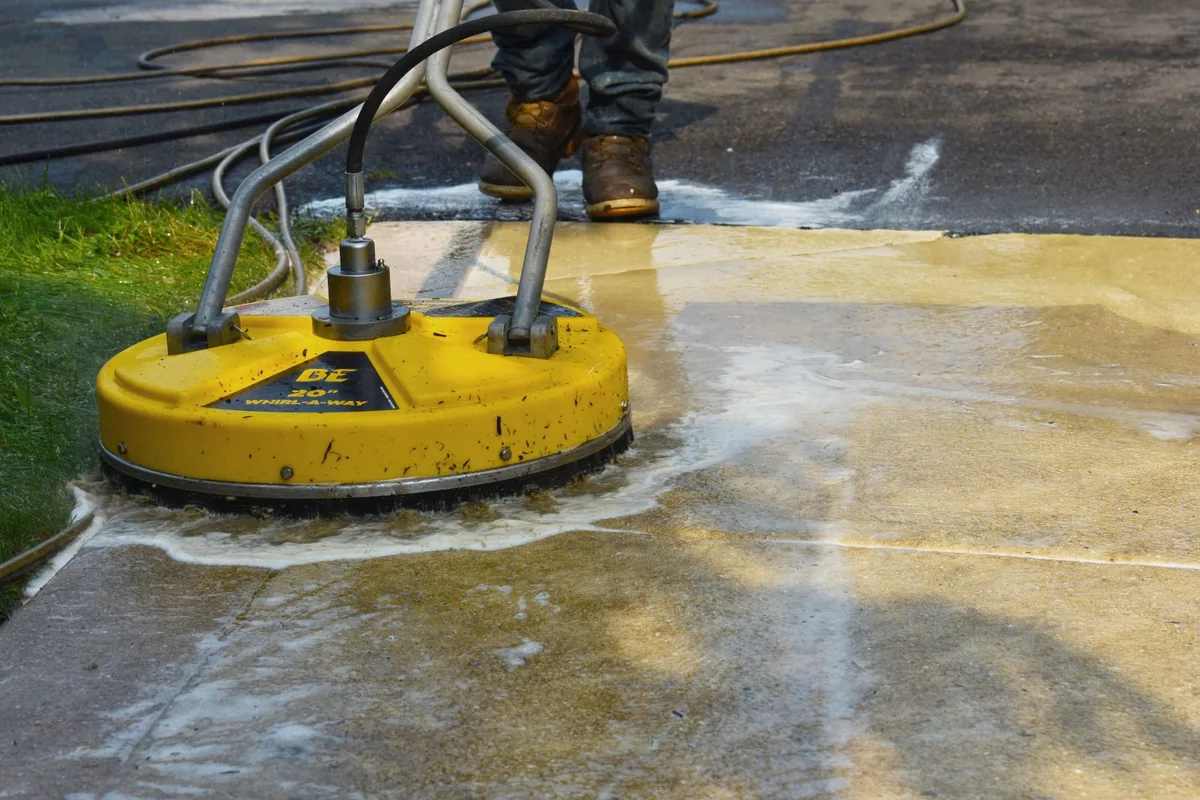
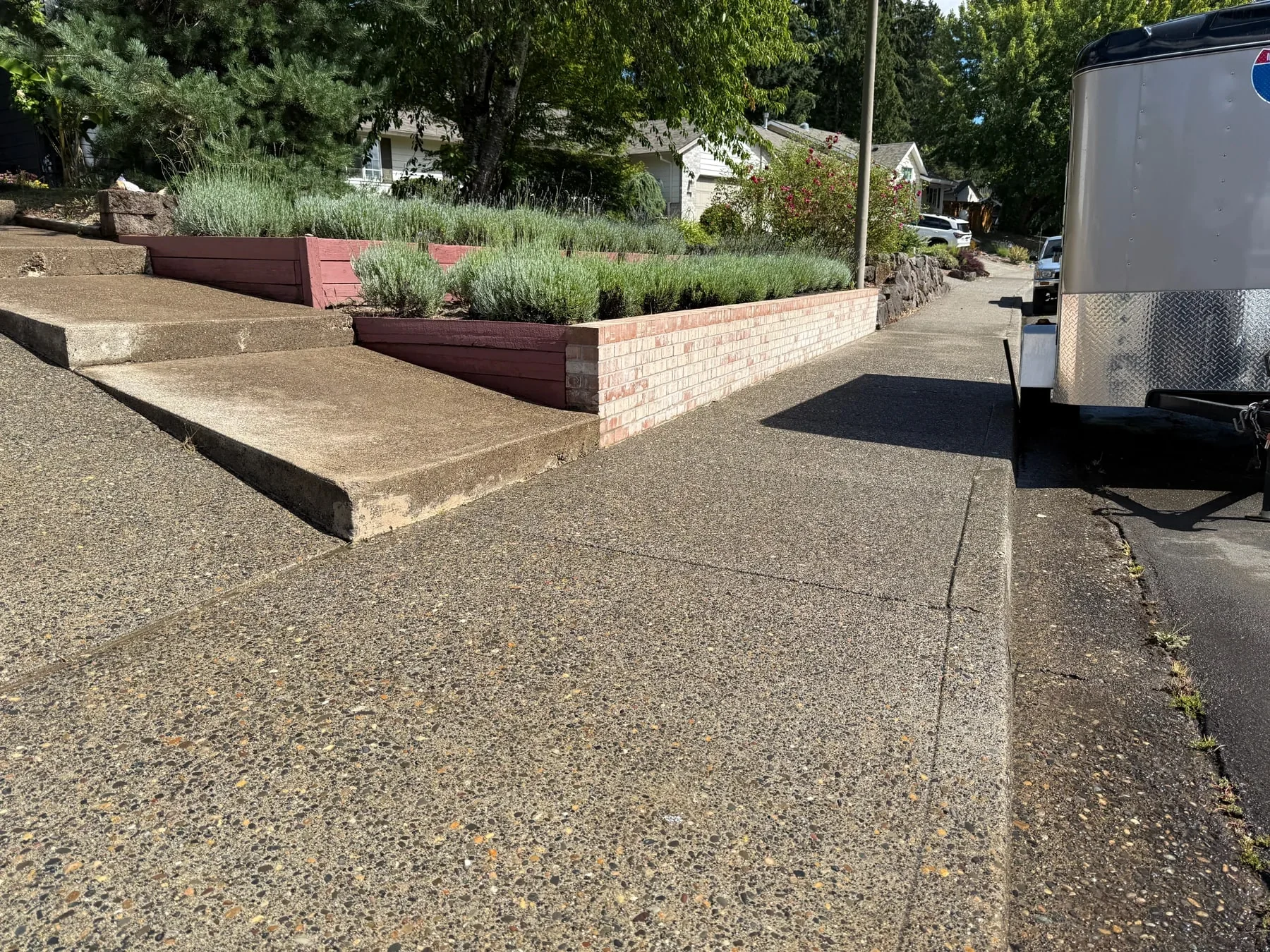
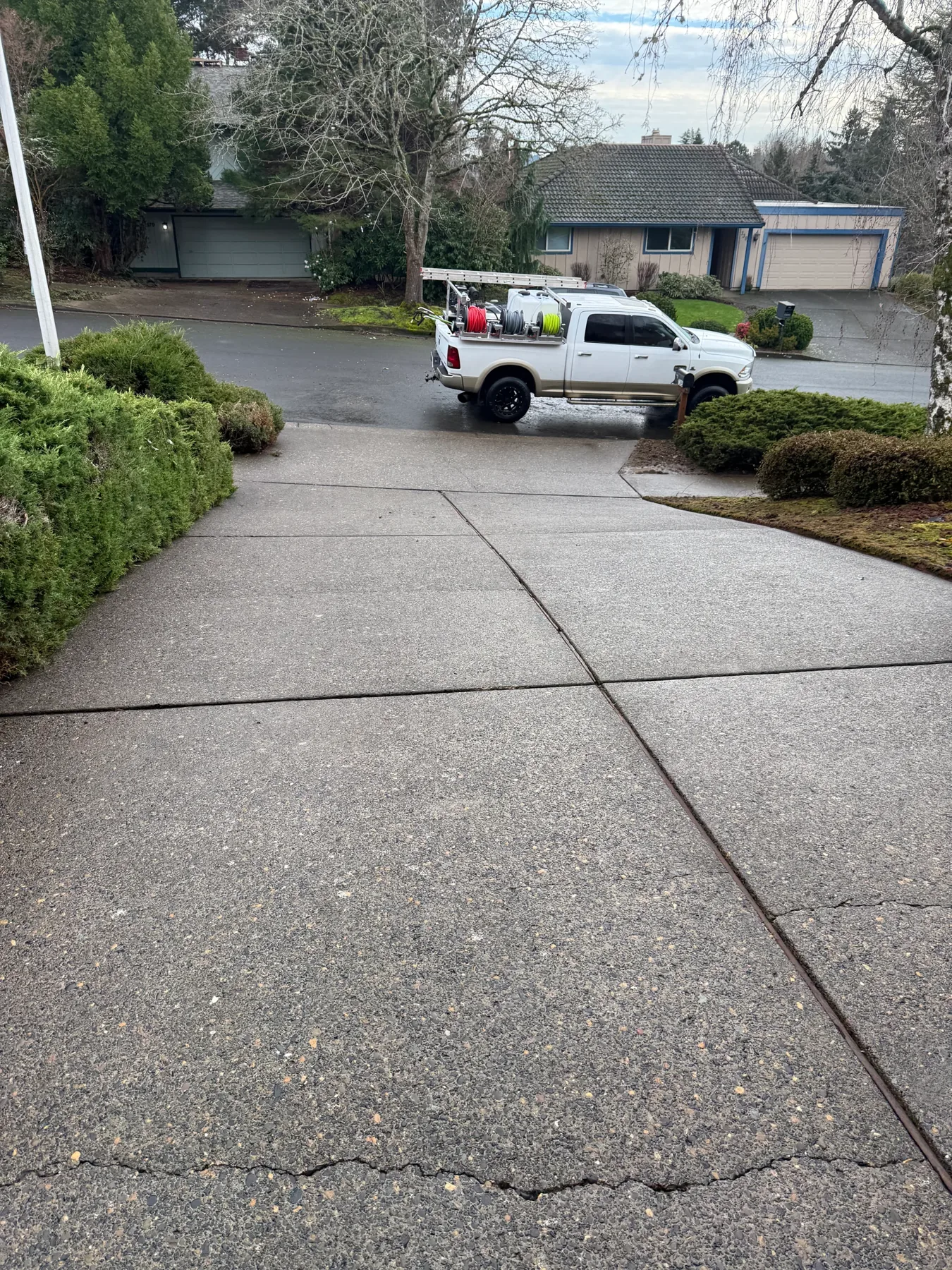
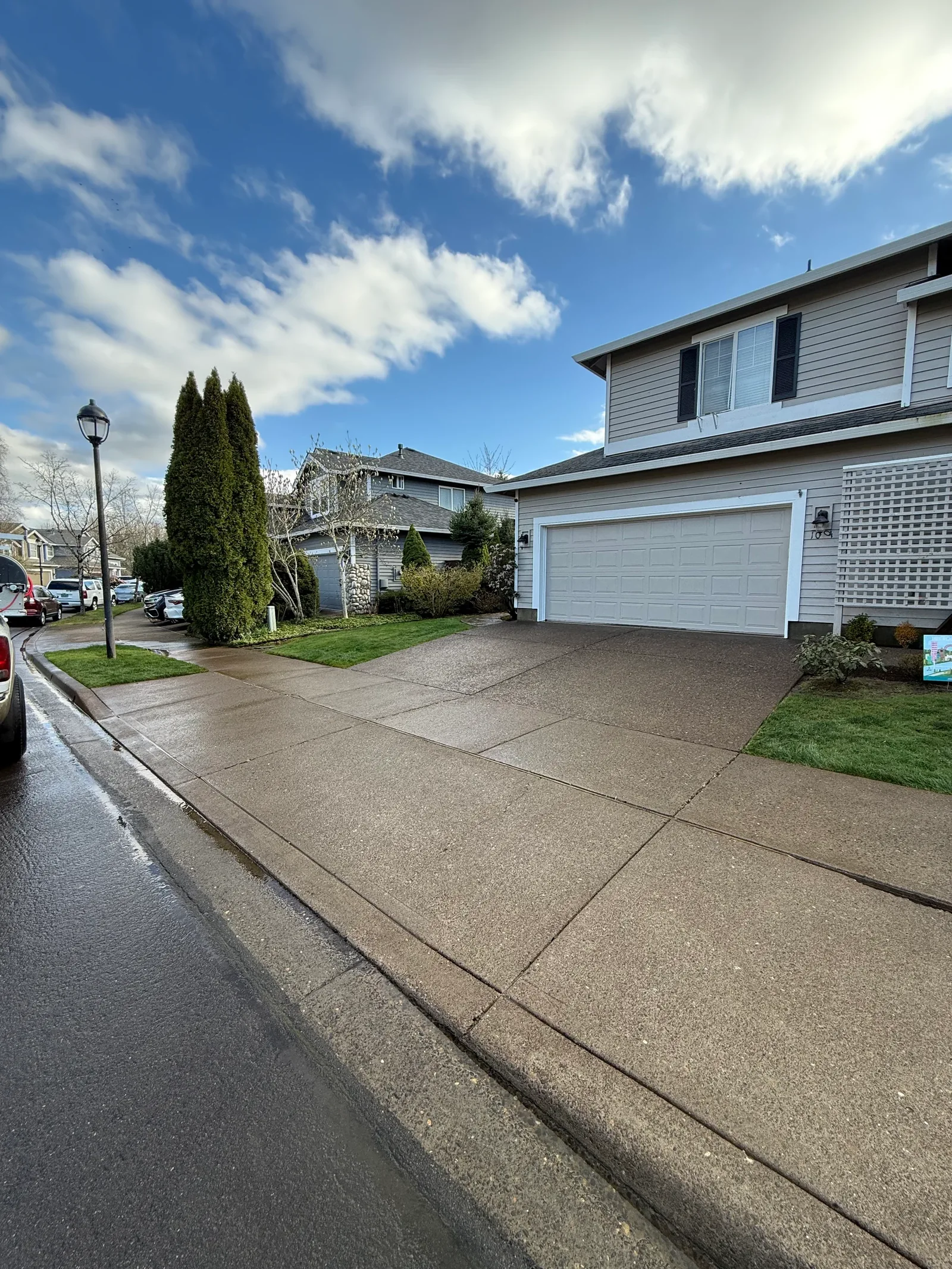
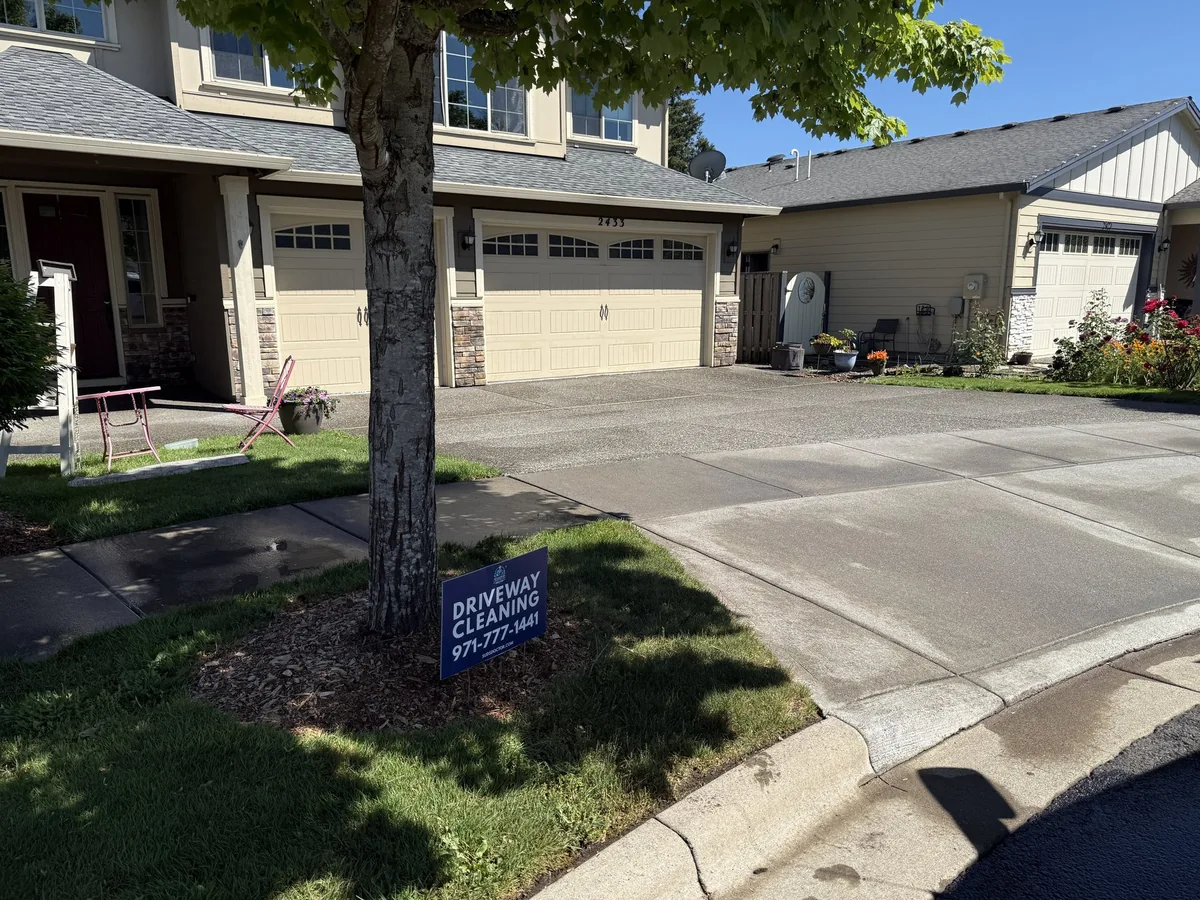
Pressure washing is a practical choice for sound concrete driveways, sidewalks, steps, many patios, and some masonry. It can remove soil and organic buildup that ordinary rinsing leaves behind. Moss, algae, shade, drainage, age, and surface finish all affect how the work should be scoped.
It is not a universal exterior-cleaning method. Asphalt shingles should not be pressure washed, and siding, painted finishes, wood, composite materials, loose masonry, or coated surfaces may need less force or a different service. For exterior walls, review our low-pressure house washing service. Roof concerns belong under roof cleaning or moss treatment.
Suds Doctor is based in Beaverton and serves nearby communities from Aloha and Hillsboro to Forest Grove and the Portland westside. Local weather can keep shaded flatwork damp, but the estimate still depends on the actual property rather than a citywide assumption.
Method SelectionThe Surface Sets the Limits
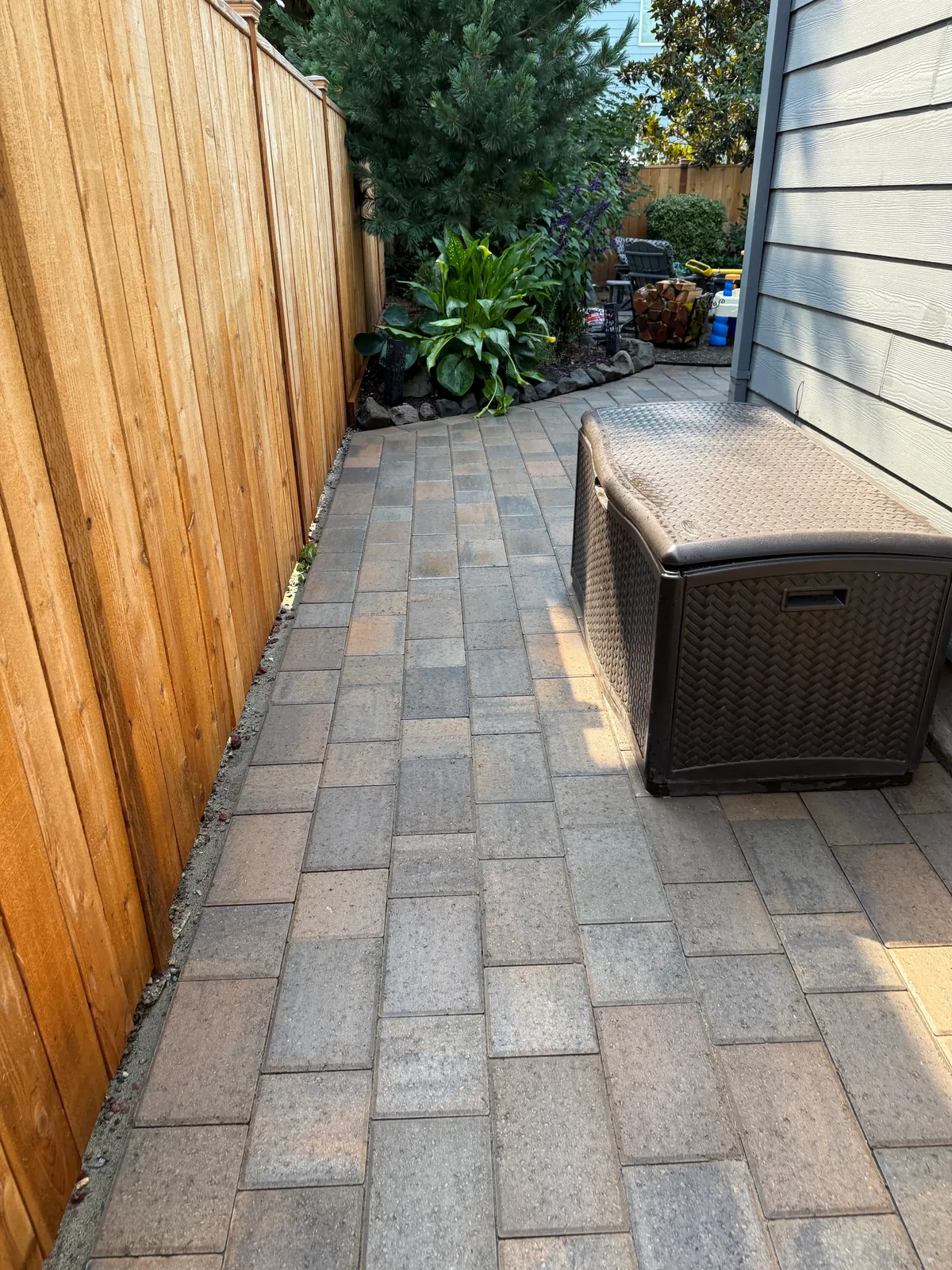
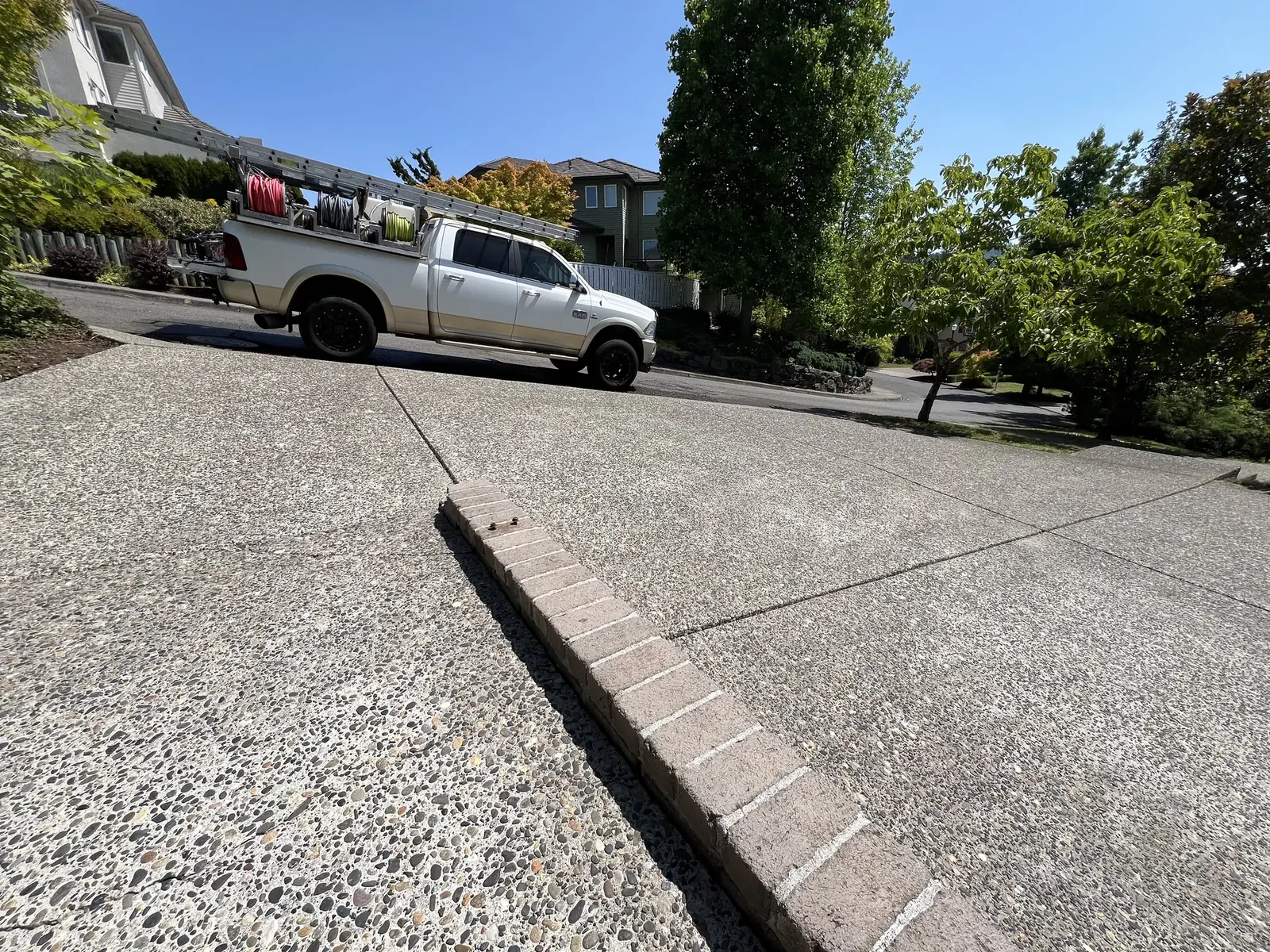
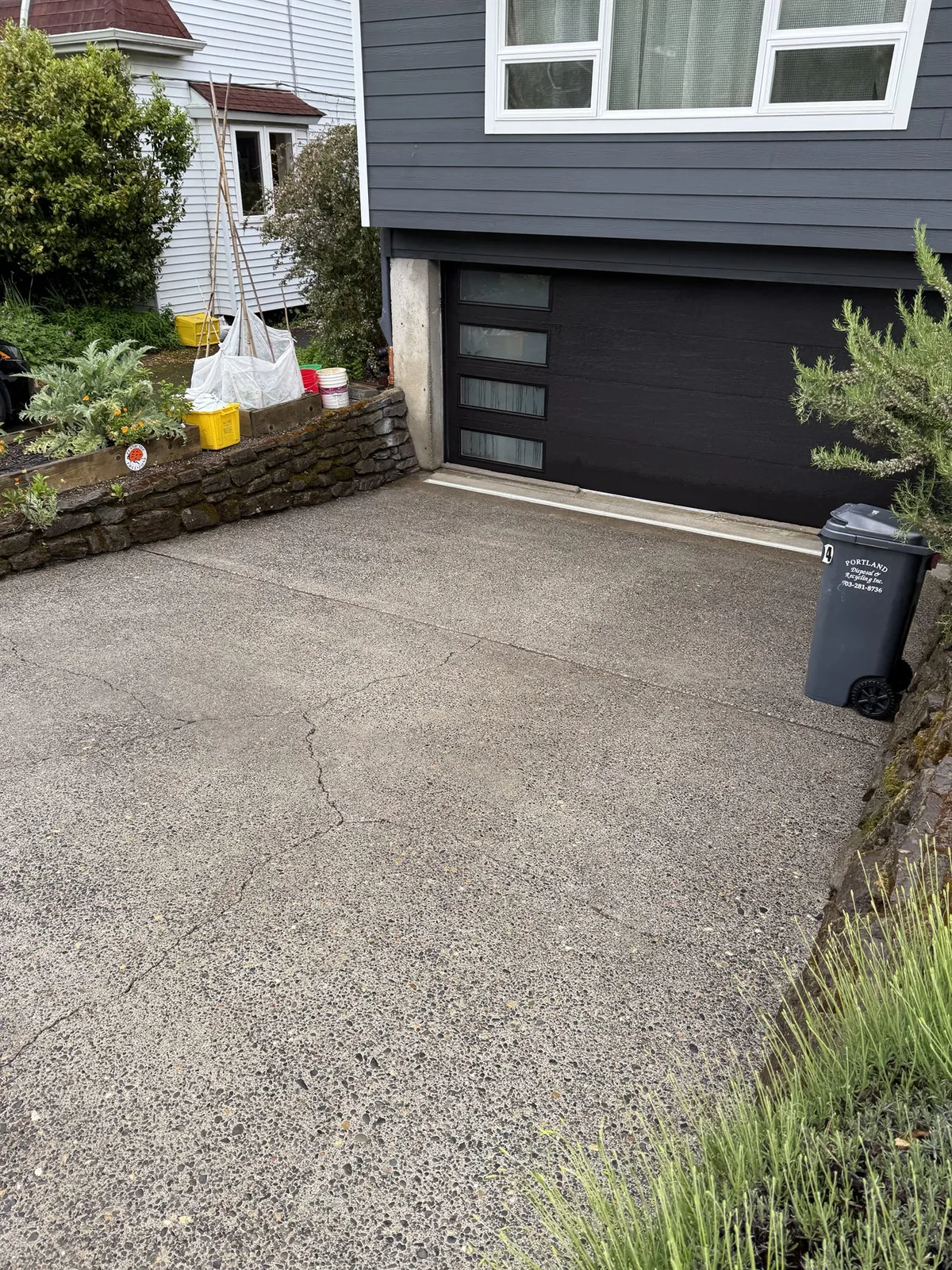
Before quoting, we look at material, age, cracks, exposed aggregate, previous repairs, coatings, paver joints, drainage, nearby landscaping, and access. Durable concrete may allow controlled surface cleaning; a loose paver joint, worn edge, or unknown coating calls for more caution.
Organic buildup and ordinary grime often respond well. Oil shadows, rust, fertilizer marks, paint, hard-water deposits, failed sealer, and discoloration within the slab may improve without disappearing. Cleaning also does not repair cracked concrete, restore missing joint sand, or correct settlement.
These limits matter because excessive force can etch concrete or leave visible lines. Our guide to pressure-washing damage on concrete explains what changes the risk. If you are comparing low pressure with mechanical cleaning, read soft washing versus pressure washing.
ProcessHow a Flatwork Cleaning Is Planned
- Review the surface. Photos and an on-site condition check identify material, damage, buildup, access, and runoff concerns.
- Prepare the work area. Movable items, delicate edges, adjacent plants, doors, and drainage paths are considered before cleaning starts.
- Match the cleaning step. Pretreatment may be appropriate for organic growth, followed by controlled surface cleaning and detail work.
- Rinse and review. Loosened debris is managed, edges are checked, and remaining stains or existing damage are discussed honestly.
- Post-treat when appropriate. Some moss- or algae-prone flatwork benefits from a finishing treatment; it is not necessary for every condition.
Project duration changes with area, buildup, setup, and detailing. See what affects pressure-washing time before planning access to a driveway or patio.
Service OptionsChoose the Most Useful Scope
A vehicle entrance is best scoped through driveway cleaning; mixed walks, steps, and pads fit concrete cleaning; and backyard living areas belong under patio cleaning. These pages address the details that change each estimate while this guide explains the broader pressure-washing method.
Send wide photos showing the whole area plus close views of stains, joints, cracks, and access points. Size, buildup, surface type, edging, slope, drainage, furniture, and specialty stains influence cost. The pressure-washing pricing guide explains those estimate factors without pretending every slab has one price.