
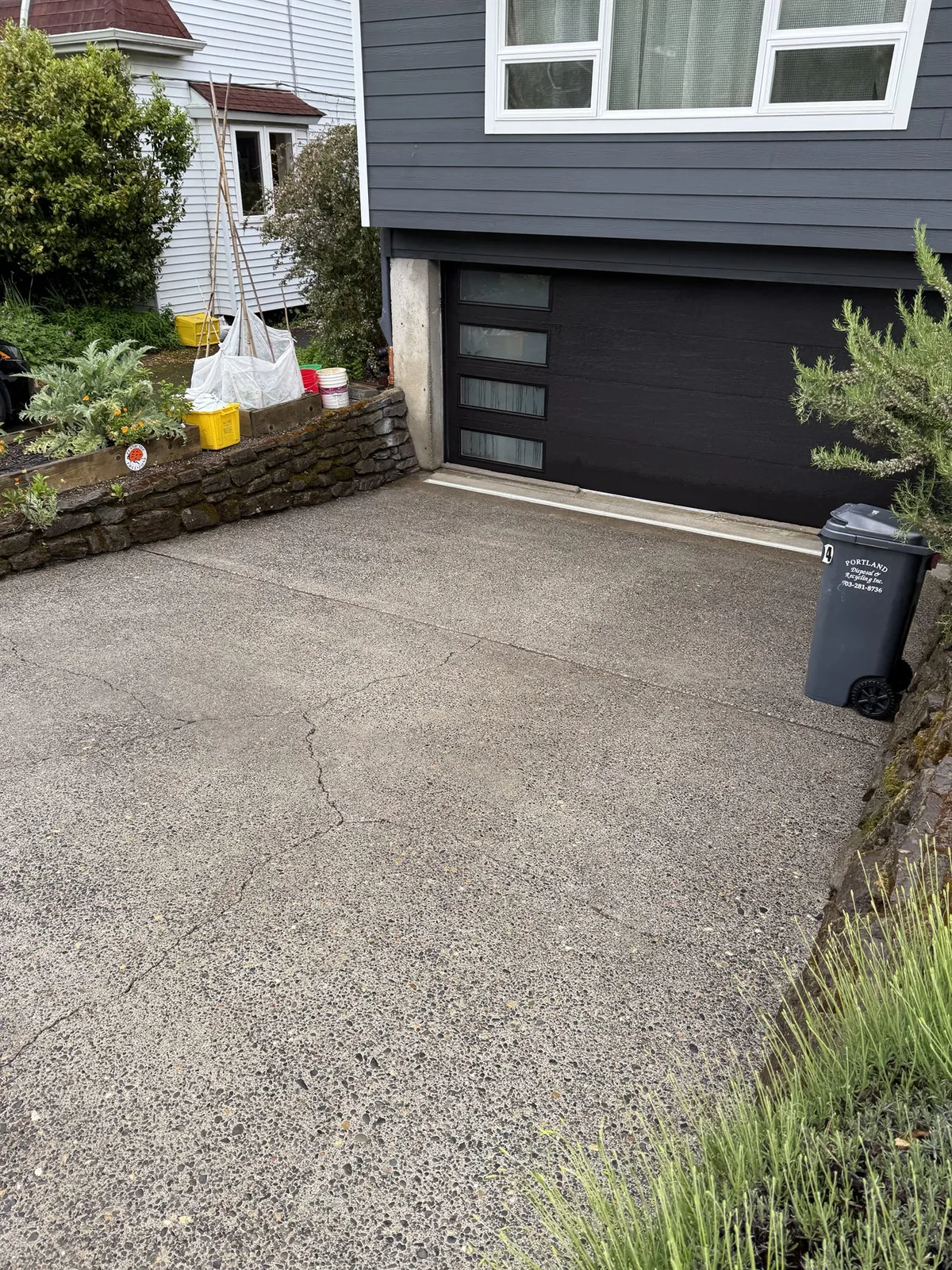
Pressure washing in Beaverton is the umbrella service for durable exterior surfaces. Suds Doctor selects the method by material and condition, then routes driveway, concrete, patio, deck, and fence projects to their more specific service scope.
Method selection for durable exterior surfaces
Specialist scopes for driveways, concrete, and patios
Pressure Washing photo for Suds Doctor in Beaverton, Oregon.
Service Guide
Pressure Washing for Beaverton Homes and Properties
Suds Doctor uses pressure washing where the surface can handle it and adjusts the process for concrete condition, drainage, access, and buildup level. Beaverton properties deal with a steady mix of wet weather, shade, pollen, fir needles, moss, and algae. That buildup can make driveways, patios, and walkways look tired and feel slick underfoot.
Pressure washing is not the right method for every surface. We use it for durable flatwork like concrete, many patios, sidewalks, curbs, and some masonry. Siding, roofs, painted finishes, and delicate materials usually need a softer method such as house washing or roof-safe cleaning.
For concrete, we focus on an even clean with surface cleaning equipment where appropriate, edge work where needed, and post-treatment when organic growth is likely to return quickly. This matters in shaded areas near Tualatin Hills Nature Park, Commonwealth Lake Park, Progress Ridge, and other Beaverton spots where surfaces stay damp longer after rain.
We are careful with exposed aggregate, older concrete, cracked slabs, pavers, painted surfaces, and edges where too much pressure can leave marks or damage the finish. A good pressure washing job should improve the surface without creating new scars.
Driveway cleaning usually starts with reading the concrete. We look at the age of the slab, surface finish, cracks, control joints, drainage, oil spots, moss, algae, and how much shade the area gets. Pretreatment can help loosen organic buildup before the surface cleaner passes over the concrete. Post-treatment can help slow the return of moss and algae in areas that stay damp.
That process is different from simply waving a wand over the surface. A surface cleaner helps create a more even result on larger concrete areas, while edges, corners, steps, and tight spots still need detail work. On Beaverton driveways with moss in the joints or algae near the garage apron, that combination usually gives a cleaner, more consistent finish than pressure alone.
See where Suds Doctor serves Beaverton and nearby west side neighborhoods.
When to Schedule
Signs Your Concrete Needs Pressure Washing
Common signs include green algae on shaded concrete, black buildup near garage doors, moss along driveway edges, slippery walkways, tire marks, mud tracking, and patios that stay dark even when dry. If guests step carefully on a walkway after rain, the surface probably needs attention.
Pressure washing clean line through moss and algae on concrete.
Beaverton driveways near mature trees can collect needles and moss at the control joints. Patios behind fenced yards may stay damp because they get less wind and sun. Walkways near downspouts can build up algae faster because roof runoff keeps the surface wet. These are normal local conditions, but they still need maintenance.
Pressure washing is also useful before sealing, painting nearby trim, listing a home, hosting an outdoor event, or cleaning up after landscape work. For seasonal scheduling, see the guide to the best time to pressure wash in Oregon. For many properties, concrete cleaning pairs naturally with house washing so the siding and flatwork look cared for at the same time.
Slip hazards are a big reason homeowners call. Algae and moss are especially noticeable on shaded walkways, patio steps, and driveway edges where shoes lose traction after rain. Cleaning does not make outdoor concrete dry or slip-proof, but removing the organic layer can make those areas easier to walk on and easier to maintain.
Another sign is uneven color after the concrete dries. If a slab stays dark, green, or blotchy while the rest dries light, moisture is probably feeding organic growth. Downspout discharge, irrigation overspray, planter runoff, and shade from fences all influence how fast algae returns. We point out those causes when we see them so expectations are tied to the property, not just the cleaning appointment.
Surfaces
Choose the Pressure-Washing Scope That Fits
Use driveway cleaning for the vehicle entrance, garage apron, tire marks, and driveway-specific drainage. Use concrete cleaning for walks, steps, entries, curbs, and mixed flatwork. Use patio cleaning for outdoor living areas, brick, and suitable pavers.
Wood, composite, vinyl, and coated surfaces need a separate material review. See deck cleaning or fence cleaning rather than assuming ordinary concrete pressure is appropriate.
Paver patio before cleaning with organic buildup.
Concrete type matters. Newer concrete, older slabs, exposed aggregate, stamped concrete, pavers, and patched surfaces do not all respond the same way. We adjust pressure, tips, distance, and cleaning pattern based on the surface. When a post-treatment is appropriate, it can help slow the quick return of algae and moss in shaded areas.
Paver patio after pressure washing and rinsing.
We do not treat pressure washing as a one-setting service. Durable concrete may need more cleaning force than a patio edge, and pavers may need more caution around sanded joints. The goal is an even clean that respects the material.
Patio cleaning often involves furniture marks, planter stains, moss around edges, and buildup where water sits after rain. Walkways tend to collect algae at low spots and along landscaping. Driveways pick up tire marks, soil, pollen, and moss in the control joints. Each surface gets a slightly different plan because the cleaning challenge is different. See how long pressure washing takes for setup, treatment, cleaning, rinsing, and drying factors.
Some stains need special expectations. Oil, rust, fertilizer staining, paint, hard-water marks, and deep discoloration may improve but not disappear from pressure washing alone. When the issue is organic growth, a cleaning and post-treatment plan usually performs better. When the issue is a chemical stain or damaged concrete, we will say so before treating it like a normal moss or algae job.
Brick patio before pressure washing with moss and organic buildup.Brick patio after pressure washing and surface cleaning.
One common pattern is a clean-looking driveway with dark, slippery side paths. Another is a patio that looks fine in summer but turns slick after weeks of rain. Beaverton's shade and moisture make small buildup easy to ignore until it becomes a safety concern or a curb appeal problem.
We also see pressure washing requests after irrigation overspray, planter runoff, or downspouts keep one strip of concrete wetter than the rest. Cleaning helps, but spotting the moisture source helps set expectations. If water keeps hitting the same area every day, algae can return faster there than on the rest of the driveway or walkway.
For larger properties, rentals, small offices, and HOA common areas, see the dedicated commercial pressure washing service. It addresses scheduling, shared spaces, access, and site communication that are less relevant to a typical residential driveway.
If the hardscape is being cleaned because the rest of the exterior looks worn, it may make sense to pair pressure washing with soft house washing or gutter cleaning. Concrete often looks its best when roof runoff, siding grime, and entry areas are handled together instead of one isolated strip at a time.
Answers for Beaverton homeowners comparing concrete cleaning, driveway cleaning, and soft washing.
What surfaces can be pressure washed?
Concrete driveways, many patios, sidewalks, steps, curbs, and durable masonry are common candidates for pressure washing. Siding, roofs, painted surfaces, older wood, and delicate materials usually need a softer method. We look at the surface before cleaning because Beaverton homes often have a mix of concrete, pavers, painted trim, and soft exterior finishes close together.
Can pressure washing help slippery concrete?
Yes. Cleaning algae, moss, and grime from concrete can reduce slick buildup, especially on shaded walkways, driveways, and patios. It is still exterior concrete, so it can become wet again, but removing the organic layer makes the surface easier to walk on and easier to maintain.
Do you use the same pressure on every surface?
No. We adjust pressure, tips, surface cleaning equipment, and treatment based on the surface and condition. Exposed aggregate, pavers, older concrete, and cracked slabs need more caution than newer broom-finished concrete. The goal is to clean the surface evenly without etching or damaging it.
Is pressure washing the same as house washing?
No. Pressure washing is for durable surfaces that can handle more force, such as concrete. House washing usually uses low pressure and cleaning solution to remove algae, mildew, and dirt from siding. Suds Doctor separates the two methods so siding is not treated like a driveway or patio slab.
How often should Beaverton concrete be cleaned?
Most concrete cleaning schedules depend on shade, traffic, drainage, and tree cover. A sunny driveway may stay clean longer, while a shaded walkway near trees or downspouts may need yearly attention. The guide to how often concrete should be pressure washed provides a condition-based schedule. If algae returns quickly, a post-treatment may help slow regrowth after pressure washing.
Can pressure washing remove every stain?
No. Pressure washing removes a lot of surface grime, algae, moss, and loose buildup, but rust, oil, irrigation stains, fertilizer marks, and deep concrete discoloration may need specialty treatment or may not fully disappear. We try to set expectations before cleaning so the finished result matches the age and condition of the concrete.
Do you pressure wash pavers?
Many paver patios and walkways can be cleaned, but they need more care than a solid concrete slab. We watch the joints, sand, edges, drainage, and condition of the pavers before choosing pressure and technique. Some pavers benefit from a gentler wash and treatment instead of aggressive blasting, especially when the joints are loose, the surface has settled unevenly, or weeds are growing between stones.
What is the benefit of post-treatment after concrete cleaning?
Post-treatment can help slow the return of algae and moss after pressure washing, especially on shaded concrete, patios, and walkways that stay damp. It is not needed for every surface, but it can be useful when organic growth comes back quickly after rain.