Soft washing vs pressure washing comes down to surface type, cleaning goal, and risk. Soft washing uses low pressure with cleaning solution for siding and delicate exterior surfaces. Pressure washing uses more force for durable surfaces like concrete. The best house washing methods use the least pressure needed to clean safely.
Soft washing is usually the safer approach for siding because the cleaning solution does the work instead of brute pressure.
Quick Comparison
Difference Between Soft Washing and Pressure Washing
Both methods can be useful. The mistake is using the wrong method on the wrong surface. Oregon homes often need low-pressure cleaning on siding and roof-safe cleaning on shingles, while concrete can usually handle more water pressure.
Soft washing vs pressure washing comparison by method and surface
Method
How It Works
Best Surfaces
Main Risk
Typical Use
Soft washing
Low pressure plus cleaning solution breaks down algae, mildew, and organic staining.
Siding, vinyl, painted surfaces, trim, and many delicate exterior materials.
Poor chemical handling, overspray, or incomplete rinsing if done carelessly.
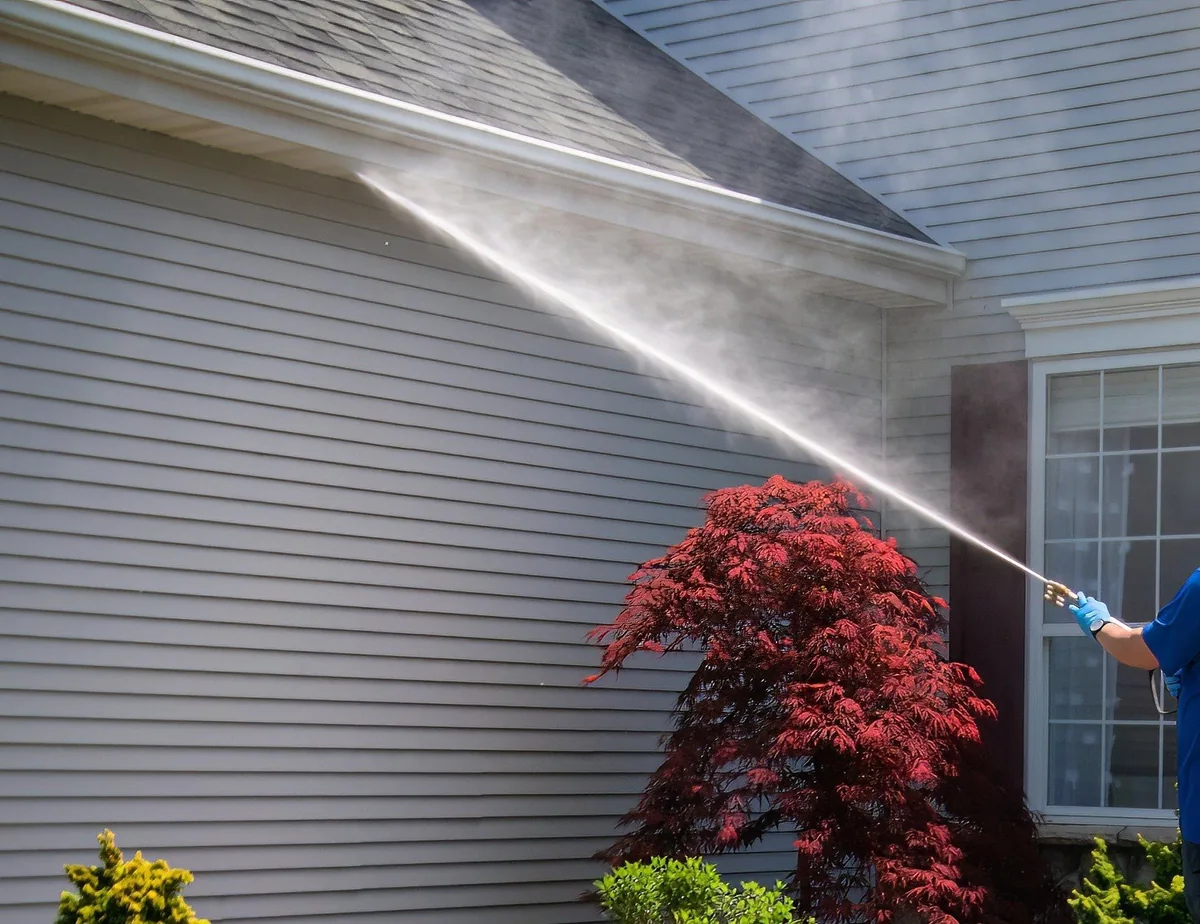
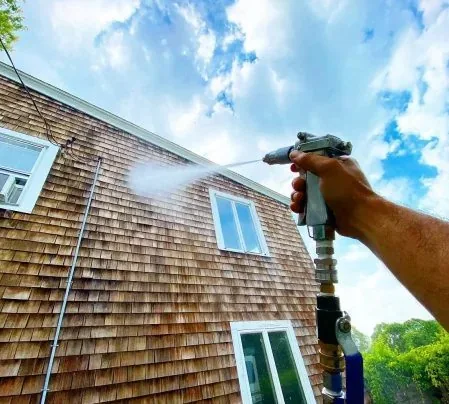
Soft washing uses low pressure to apply and rinse a cleaning solution. The solution does most of the work by breaking down algae, mildew, and organic growth, while the rinse removes loosened residue without blasting the surface.
This is why soft washing is common for siding, vinyl, painted trim, and many house washing methods. On Oregon homes, green algae and mildew often show up on shaded siding, north-facing walls, and areas near landscaping. Those stains usually need the right cleaning mix and dwell time more than raw pressure.
Soft washing still requires care. Plants, fixtures, oxidation, old paint, failing caulk, and open gaps all matter. Low pressure does not mean careless work; it means matching the method to surfaces that should not be treated like concrete.
Pressure Washing
How Pressure Washing Works
Pressure washing uses higher water pressure to remove dirt, algae, moss, and grime from durable surfaces. It is useful on concrete driveways, patios, sidewalks, curbs, and other hard materials that can handle more force.
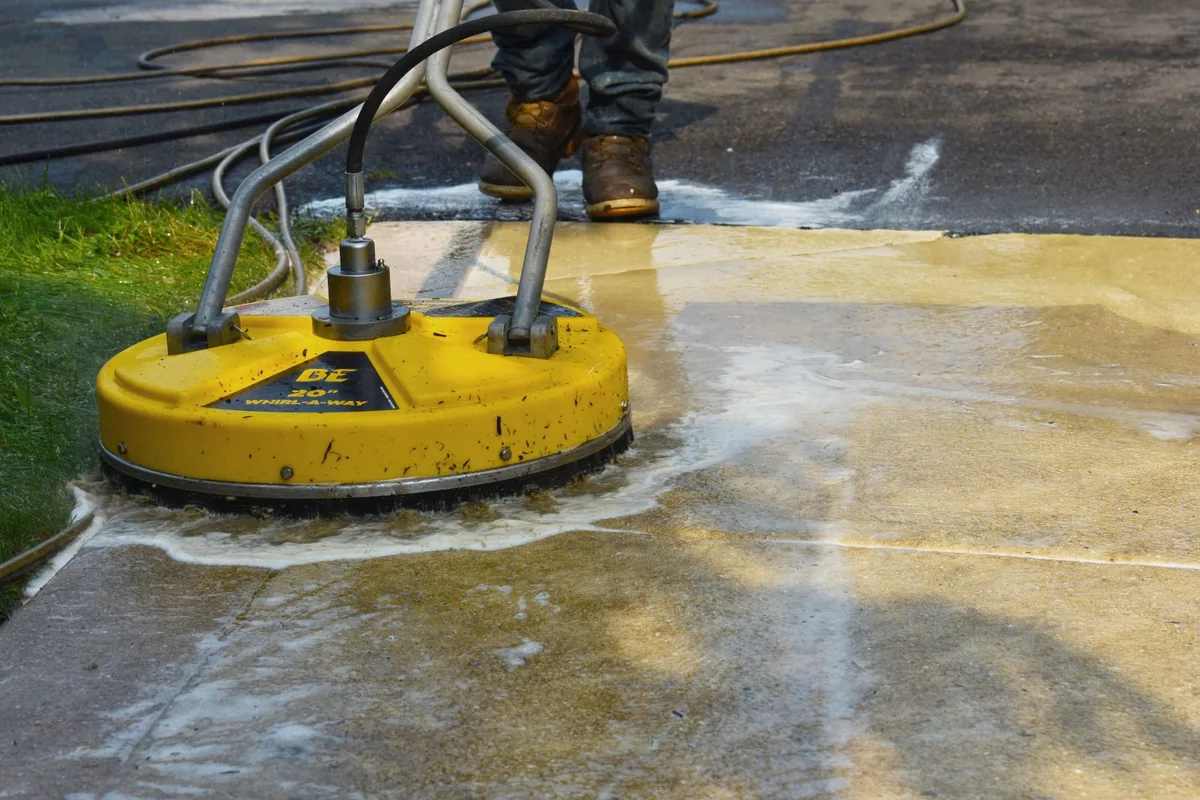
Even on concrete, pressure should be controlled. Too much pressure or the wrong tip can leave wand marks, etch soft concrete, or damage exposed aggregate. Surface cleaners and proper technique usually give better results than simply turning pressure up. See the concrete damage and prevention guide for surface-specific warning signs.
Pressure washing is not the answer for every surface. When a material can be damaged, forced open, or soaked behind the face, the safer choice is usually soft washing or another lower-pressure method.
Siding and Vinyl
Siding Usually Needs Soft Washing
Vinyl siding, painted siding, trim, soffits, and many exterior wall surfaces are usually better candidates for soft washing than pressure washing. The goal is to remove algae and mildew without forcing water behind the siding or damaging the finish.
Vinyl can look tough, but water can still get behind laps, around windows, into vents, or under loose trim if pressure is used carelessly. Painted surfaces can also chip or mark if the coating is older or already failing.
For siding, the safest approach is usually controlled solution, low pressure, proper rinsing, and attention to nearby landscaping. That is the foundation of Suds Doctor's house washing approach.
Concrete and Hardscape
Concrete Can Usually Handle More Pressure
Concrete is where pressure washing often makes sense. Driveways, walkways, patios, and curbs can collect algae, moss, tire marks, mud, and organic staining during wet Oregon weather.
That does not mean concrete should be blasted randomly. Age, cracks, surface condition, exposed aggregate, drainage, and nearby edges all affect the best approach. A careful pressure washing job uses enough force to clean without chewing up the surface.
For homeowners comparing house washing methods, this is the simple distinction: siding usually needs chemistry and low pressure; concrete usually needs controlled pressure and good technique.
Surface Guide
Which Method Fits Each Surface?
Use the surface, not the stain, to choose the cleaning method. Green growth on siding and green growth on concrete may look similar, but the safe cleaning method is not the same.
Usually Soft Wash or Low Pressure
Vinyl siding with algae or mildew.
Painted siding, trim, soffits, and fascia.
Stucco or delicate exterior finishes after inspection.
Window frames, vents, and areas with possible gaps.
House washing where cleaning solution should do the work.
Usually Pressure Wash Carefully
Concrete driveways and sidewalks.
Patios, curbs, and durable flatwork.
Some masonry surfaces after condition review.
Commercial walkways and hardscape areas.
Slippery concrete with algae or moss buildup.
Roofs
Roofs Need Roof-Safe Cleaning, Not Pressure Washing
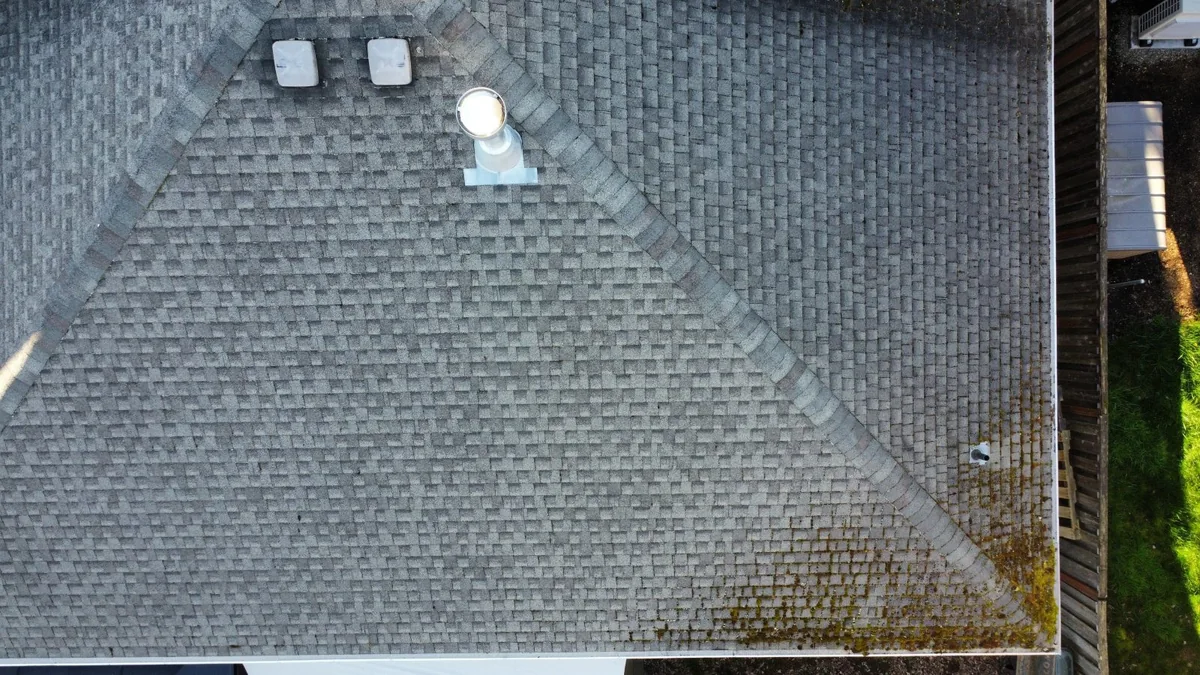
Roofs deserve their own category. Asphalt shingles should not be pressure washed. High pressure can remove granules, damage shingles, and shorten roof life. Moss, algae, and staining on a roof should be handled with roof-safe methods that match shingle condition.
Some roofs need treatment because moss is light or returning. Other roofs need careful cleaning first because moss is thick, clumpy, or holding debris. Either way, the roof should not be treated like a driveway.
If roof condition is the concern, start with the roof cleaning page instead of comparing pressure settings.
Wood
Wood Requires a Lighter Touch
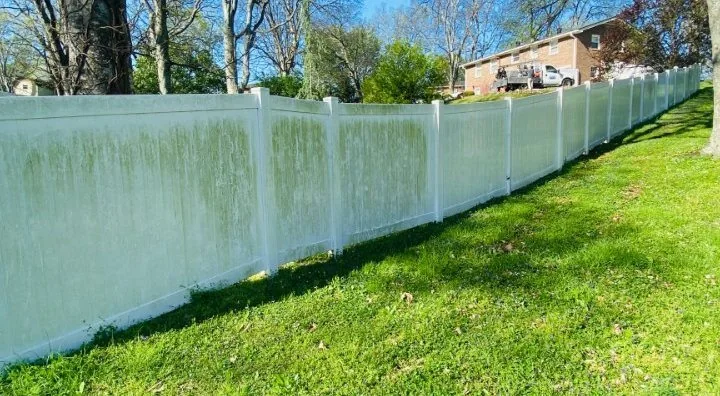
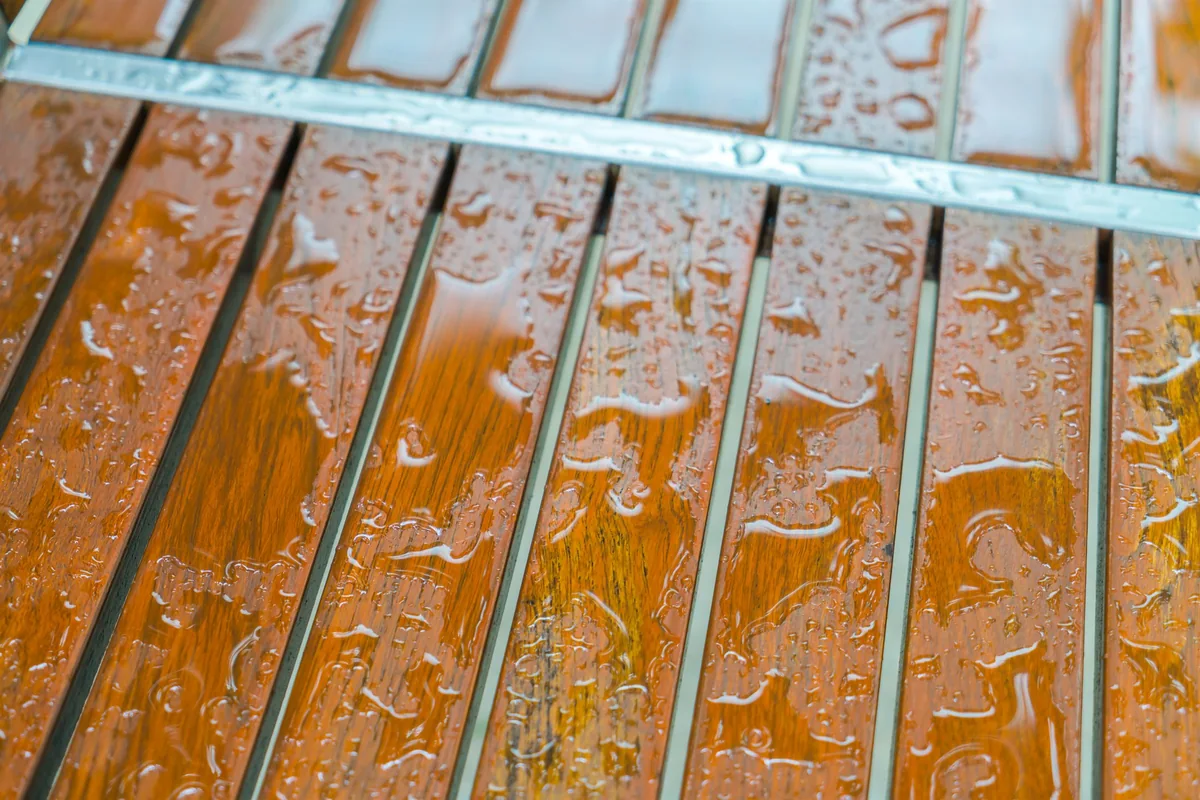
Wood decks, fences, and trim can be damaged by aggressive pressure. The grain can fuzz, splinter, or mark if the wrong tip, pressure, or distance is used. Cleaning wood usually takes more judgment than cleaning concrete.
Some wood surfaces need a low-pressure wash, some need a cleaning solution, and some need careful rinsing before staining or sealing. The condition of the wood matters as much as the amount of dirt on it.
When in doubt, wood should be approached more like a delicate surface than a slab of concrete.
More Materials
Pavers, Stucco, and Composite Surfaces Need Inspection
Pavers are durable, but joints, loose sand, weeds, edge stability, and old sealer change the cleaning plan. Stucco and masonry finishes can have cracks or porous areas that should not receive careless pressure. Composite decking varies by manufacturer and may hold staining that ordinary washing does not fully remove.
These materials do not fit a simple "soft" or "high pressure" label. Identify the material, coating, age, damage, and desired result first. A test area may be more useful than a universal pressure setting.
Process Questions
Ask What Does the Cleaning Work
A useful quote should explain whether chemistry, dwell time, agitation, water pressure, or a combination will remove the buildup. It should also address plant protection, runoff, rinsing, fragile fixtures, oxidation, and the marks that may remain.
Clear answers for homeowners comparing exterior cleaning methods for siding, concrete, roofs, wood, and vinyl.
What is the difference between soft washing and pressure washing?
Soft washing uses low pressure and cleaning solution to break down organic growth. Pressure washing uses higher water pressure to remove buildup from durable surfaces like concrete.
Is soft washing better for house washing?
Usually, yes. Most siding, vinyl, painted trim, and exterior wall surfaces are safer with soft washing or low-pressure cleaning than aggressive pressure washing.
Should concrete be soft washed or pressure washed?
Concrete usually responds well to controlled pressure washing, especially for algae, moss, mud, and surface grime. The pressure still needs to match the concrete condition.
Can roofs be pressure washed?
No. Asphalt shingle roofs should not be pressure washed. Roof moss, algae, and staining should be handled with roof-safe cleaning or treatment methods.
Is vinyl siding safe to pressure wash?
Vinyl siding is usually better cleaned with soft washing or low pressure. High pressure can force water behind siding, around windows, or into gaps if used carelessly.
Method Help
Not Sure Which Cleaning Method Your Surface Needs?
Send photos of the siding, concrete, roof, wood, or vinyl surface and Suds Doctor can help choose the safer method.