When To Treat Roof Moss In Oregon - Suds Doctor
Oregon Roof Moss Season

When to Treat Roof Moss in Oregon

The best time for roof moss treatment in Oregon is usually late summer into early fall, before the long rainy season settles in. Spring is a good time to inspect and plan, winter treatment depends on weather and safety, and summer is often the easiest season for access and dry roof conditions.

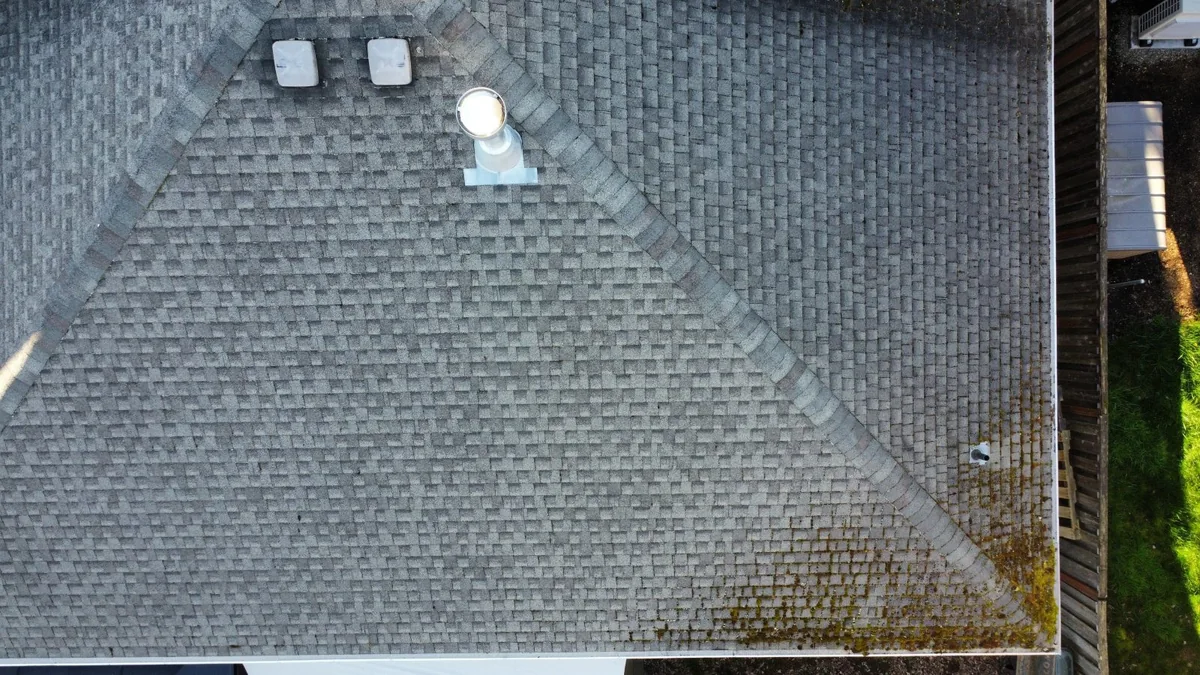
Light roof moss on Oregon shingles during roof moss treatment season
Timing matters because roof moss treatment works best when the roof, weather, and moss level all fit the service.
Seasonal Timing

When to Treat Roof Moss in Oregon by Season

Oregon roof moss season is shaped by rainfall, shade, tree cover, and how long roof surfaces stay damp. The right timing is partly calendar-based and partly roof-condition based.

Seasonal roof moss treatment timing in western Oregon
Season Practical Recommendation Why It Matters Best Fit
Summer Good time for inspection, photos, estimates, and dry-weather scheduling. Roofs are often drier and access is usually simpler. Planning treatment before fall rain.
Early fall Often the best time for roof moss treatment. Treatment can happen before the wettest months feed new growth. Preventative maintenance and light returning moss.
Winter Possible on some days, but weather and safety decide. Heavy rain, wind, cold snaps, and slick access can limit service timing. Case-by-case treatment or waiting for a better window.
Spring Good time to inspect, clean debris, and plan next steps. The roof has just gone through the rainy season, so problem areas are easier to spot. Maintenance review, photos, and scheduling ahead.
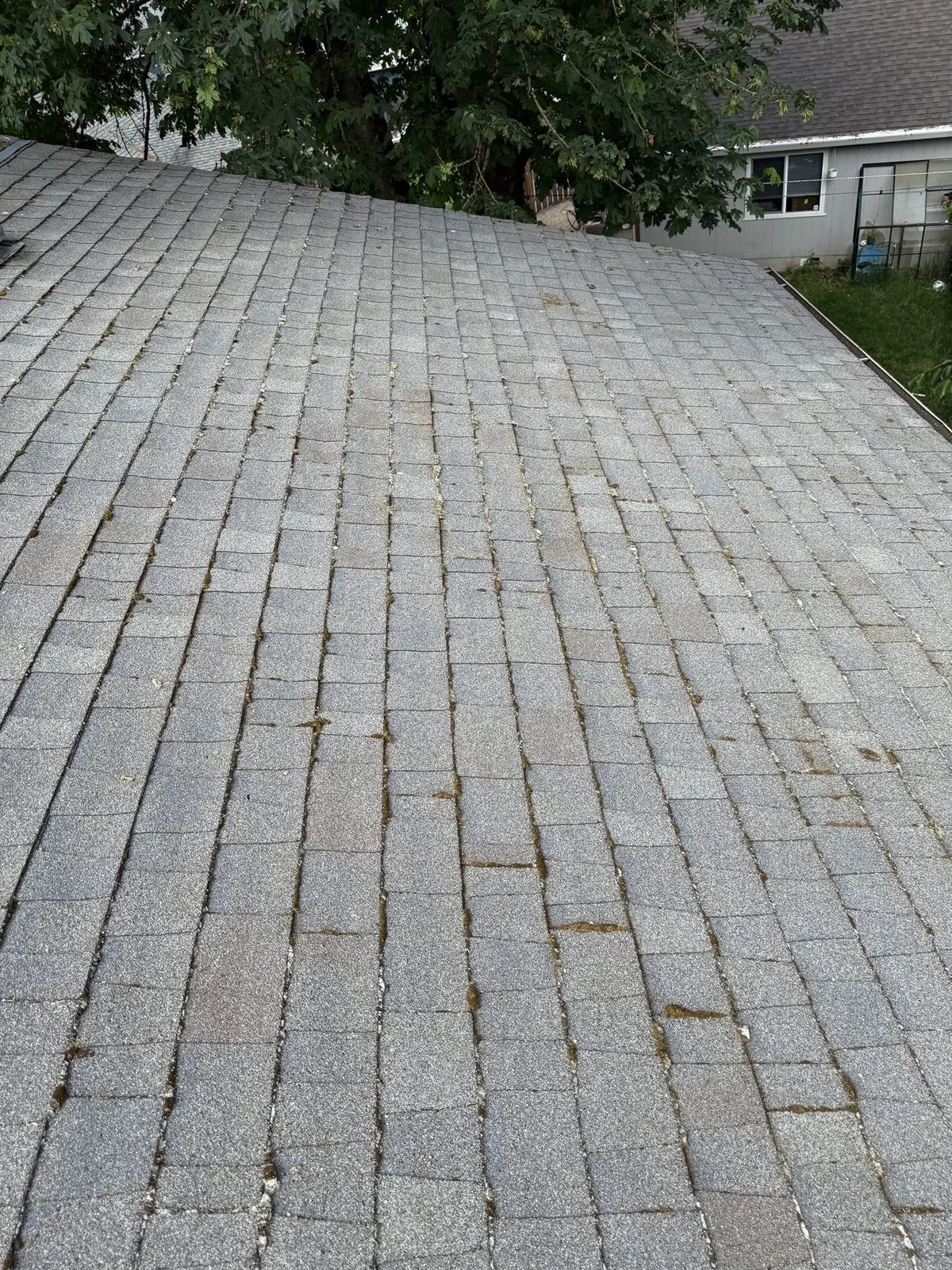
Roof moss growing on shaded Oregon asphalt shingles during wet weather
Climate

Oregon Rainfall Sets the Roof Moss Schedule

In western Oregon, roof moss grows because roofs stay damp for long stretches. Rainfall, cool weather, mature trees, shaded neighborhoods, and north-facing roof planes all keep moisture around longer than homeowners expect.

That is why the roof moss season does not follow a neat calendar. Moss can be visible year-round, but the wet months usually feed the growth cycle. The goal is to treat early enough that moss does not head into the rainy season already thick and established.

If moss is light, a liquid-applied roof moss treatment may be the right maintenance step. If moss is already thick or raised, roof cleaning may need to happen first.

Light patchy roof moss that may be ready for summer or fall treatment in Oregon
Summer vs Fall

Summer Planning and Fall Treatment Work Well Together

Summer is a good time to look at the roof from the ground, take photos, clean up obvious debris, and get an estimate. Dry weather can make roof access easier, and it gives homeowners time to decide whether the roof needs treatment, cleaning, or simple monitoring.

Early fall is often the practical sweet spot for treatment. The roof is not deep into winter rain yet, but the service can be completed before moss has months of wet weather to keep spreading.

Waiting until late fall is not automatically wrong. It just gives weather more control over scheduling. Once storms become frequent, roof access, drying time, and safe working conditions become harder to predict.

Winter

Can Roof Moss Be Treated in Winter?

Sometimes, yes. Winter roof moss treatment can make sense when the roof is safe to access, the weather window is workable, and the moss level fits treatment. But Oregon winter conditions can make scheduling less predictable.

Heavy rain, wind, freezing temperatures, slick roof surfaces, and poor access can all push a treatment visit out. A responsible recommendation should account for roof safety and application conditions, not just the fact that moss is visible.

If heavy moss is already trapping moisture or lifting at shingle edges, the issue may be less about the season and more about service type. The guide on moss damage to roofs explains when moss starts moving beyond simple appearance.

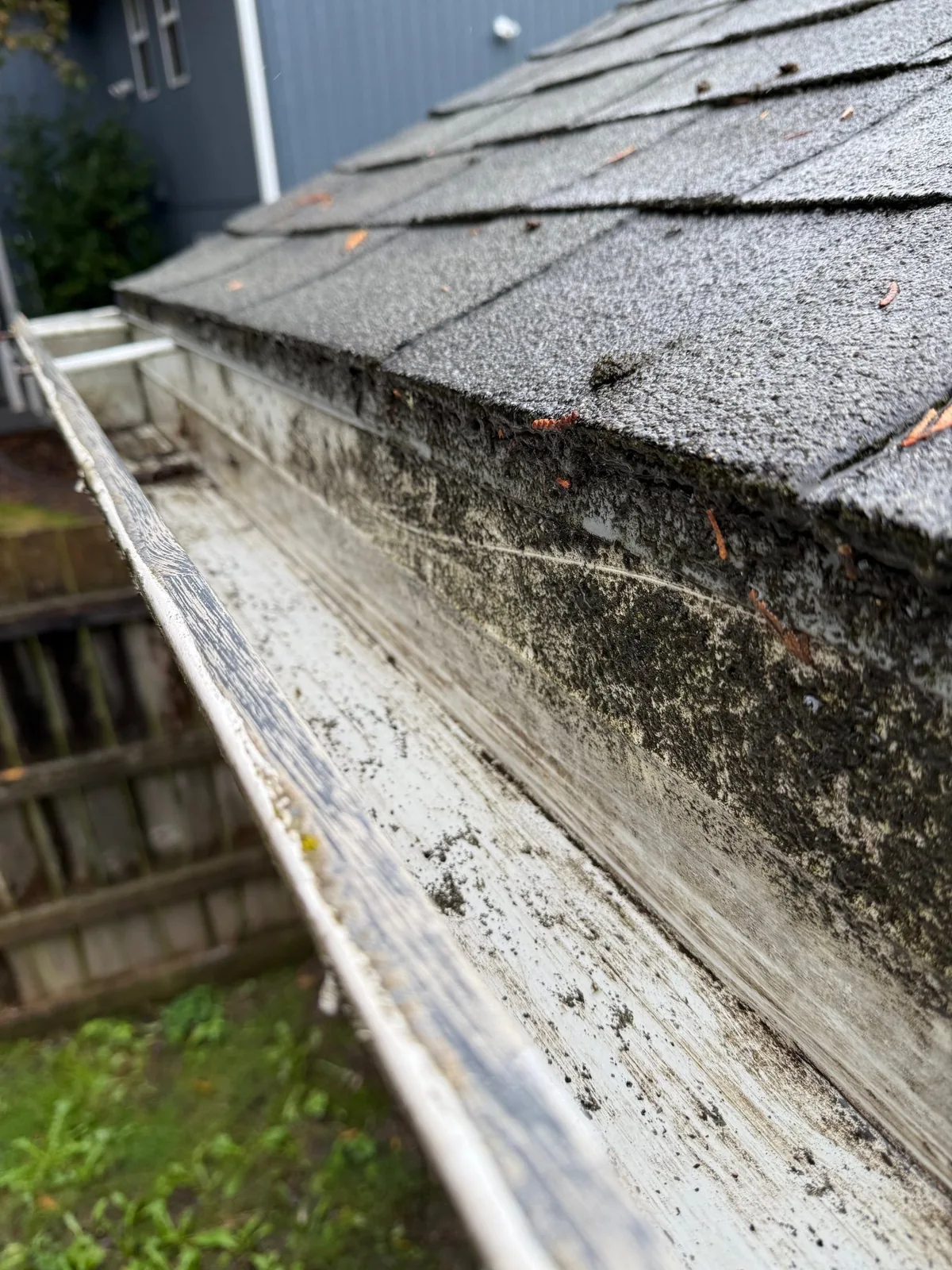
Spring roof edge and gutter maintenance after Oregon rainfall and roof moss season
Spring

Spring Is a Good Roof Moss Maintenance Checkpoint

Spring is useful because the roof has just come through the wettest part of the year. Shaded slopes, valleys, gutter lines, and roof edges usually show where moisture and debris have been sitting.

That does not mean every roof needs treatment in spring. Some roofs only need observation, gutter cleaning, or debris removal. Others show enough green growth that scheduling treatment before the next rainy season makes sense.

Spring photos also help with planning. A few clear pictures of the worst roof sections can show whether the roof is still in maintenance territory or whether moss has become heavy enough to consider cleaning.

Results

Why Timing Affects Roof Moss Treatment Results

Timing matters because roof moss treatment is not just about applying product. It depends on roof condition, weather, moss severity, and what happens after service.

Good Timing Helps Because
  • The roof can often be accessed more safely in drier weather.
  • Light moss is easier to manage than thick moss.
  • Treatment can start working before months of steady rain.
  • Debris can be addressed before it feeds new growth.
  • Homeowners have time to compare treatment versus cleaning.
Waiting Too Long Can Mean
  • Moss becomes thick enough to need manual removal.
  • Valleys and gutters collect more roof debris.
  • Scheduling depends more heavily on winter weather windows.
  • The roof may need cleaning before treatment makes sense.
  • The estimate can change because severity, pitch, and access matter.
Homeowner Plan

Practical Recommendations for Oregon Homeowners

Check the roof from the ground in spring and again in late summer. Look at shaded slopes, roof valleys, edges under trees, and sections that face north. If moss is light and patchy, treatment may be enough. If moss is thick, raised, or holding debris, cleaning may need to come first.

For most western Oregon homes, the best time for roof moss treatment is before the wettest season, often late summer or early fall. Homes under firs, maples, or heavy shade may need a shorter maintenance rhythm than sunny, open roofs.

The guide on how long roof moss treatment lasts explains why many Oregon roofs fall into a 12 to 24 month maintenance window instead of a permanent prevention schedule.

Related Roof Pages

Choose Treatment, Cleaning, or Cost Planning

If moss is light or returning after a previous service, start with roof moss treatment. If moss is heavy, clumpy, or affecting shingle edges and valleys, read about roof cleaning.

For budgeting, the roof cleaning cost guide explains why roof size, pitch, moss severity, and access change the scope. If you are deciding between service types, the roof cleaning vs roof moss treatment guide is the clearest next read.

The practical goal is simple: handle moss while it is still manageable, choose the right service for the roof condition, and avoid pretending Oregon moss can be solved forever with one visit.

Weather Window

The Calendar Does Not Override Roof Safety

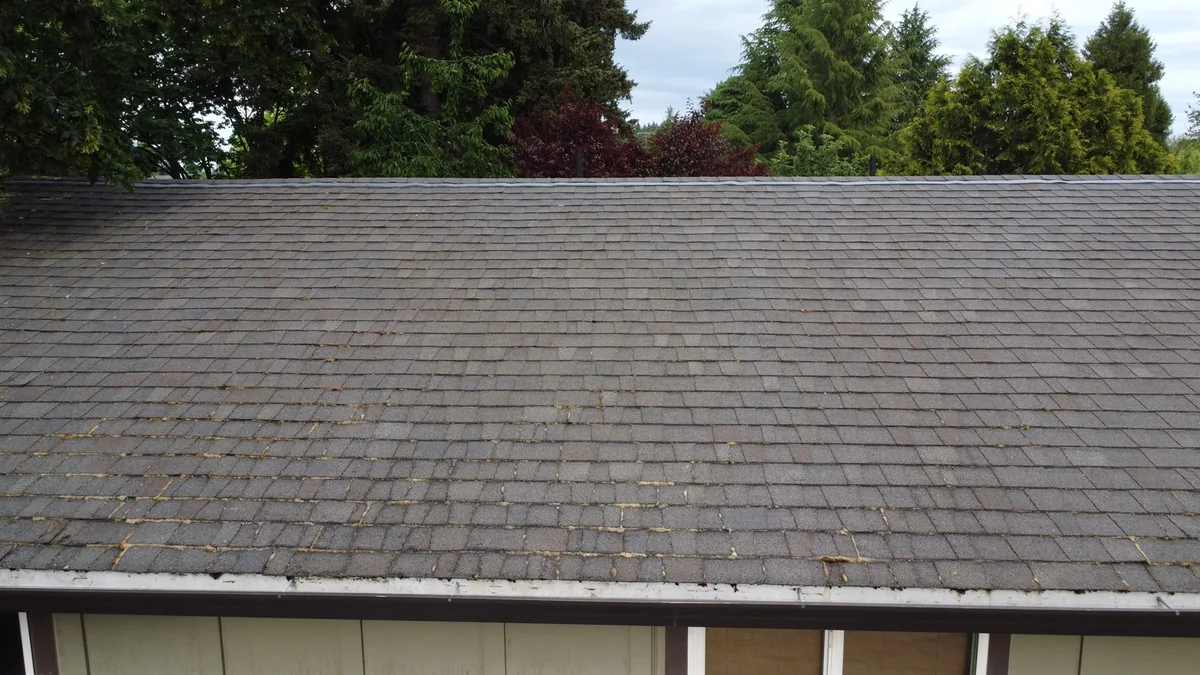
Late summer and early fall are useful planning periods, but a date on the calendar does not make every roof serviceable. Active rain, frost, strong wind, slick access, steep grades, fragile shingles, and difficult transitions can all change the appointment. A responsible recommendation leaves room to wait for safer conditions.

Application requirements also matter. The treatment method and product label determine acceptable weather and setup; homeowners should not assume that a brief break in rain is automatically sufficient. Timing should balance moss severity, roof condition, worker safety, and the conditions needed for the selected service.

Monitor or Act

Use Photos to Track Whether Moss Is Advancing

Take ground-level photos from the same locations in spring and late summer. Compare shaded slopes, valleys, dormers, and lower roofs. Small isolated patches that remain stable may justify monitoring. Growth spreading across shingle edges or collecting debris deserves a closer review.

This page owns the seasonal question. For service selection, use the cleaning-versus-treatment comparison. Keeping those decisions separate avoids turning every timing question into an automatic recommendation for work.

FAQ

Roof Moss Treatment Timing FAQs

Helpful answers for homeowners planning around Oregon weather, roof moss season, and maintenance timing.

When is the best time for roof moss treatment in Oregon?

Late summer into early fall is often the best time because roofs are usually drier, access is more predictable, and treatment can happen before the wettest part of the year.

Can roof moss treatment be done in winter?

Sometimes. Winter treatment depends on roof safety, rain, wind, temperature, access, and application conditions. Some roofs can be treated during a workable weather window, while others should wait.

Is spring a good time to treat roof moss?

Spring is a good time to inspect and plan. Treatment may make sense if moss is active and conditions allow, but some roofs are better scheduled for summer or early fall after a maintenance review.

Why not wait until moss is obvious?

Obvious moss is often thicker moss. Once moss is raised, clumpy, or holding debris, the roof may need cleaning before treatment. Early maintenance usually keeps the service simpler.

Does roof moss season end in summer?

No. Summer may slow visible growth on some roofs, but moss can remain on shaded shingles. Summer is often a good planning season because the roof is easier to inspect and schedule before fall rain.

Roof Moss Timing Help

Not Sure Whether to Treat Now or Wait?

Send roof photos and Suds Doctor can help you decide whether the timing is right for treatment, cleaning, or simple monitoring.

Call Now (971) 777-1441