
Moss Damage To Roofs - Suds Doctor
Oregon Roof Moss Guide

Moss Damage to Roofs

Moss damage to roofs usually starts slowly. On Oregon asphalt shingles, the issue is not that every small patch is an emergency. The problem is that moss holds moisture, collects debris, and can work into places where shingles are supposed to shed water cleanly.

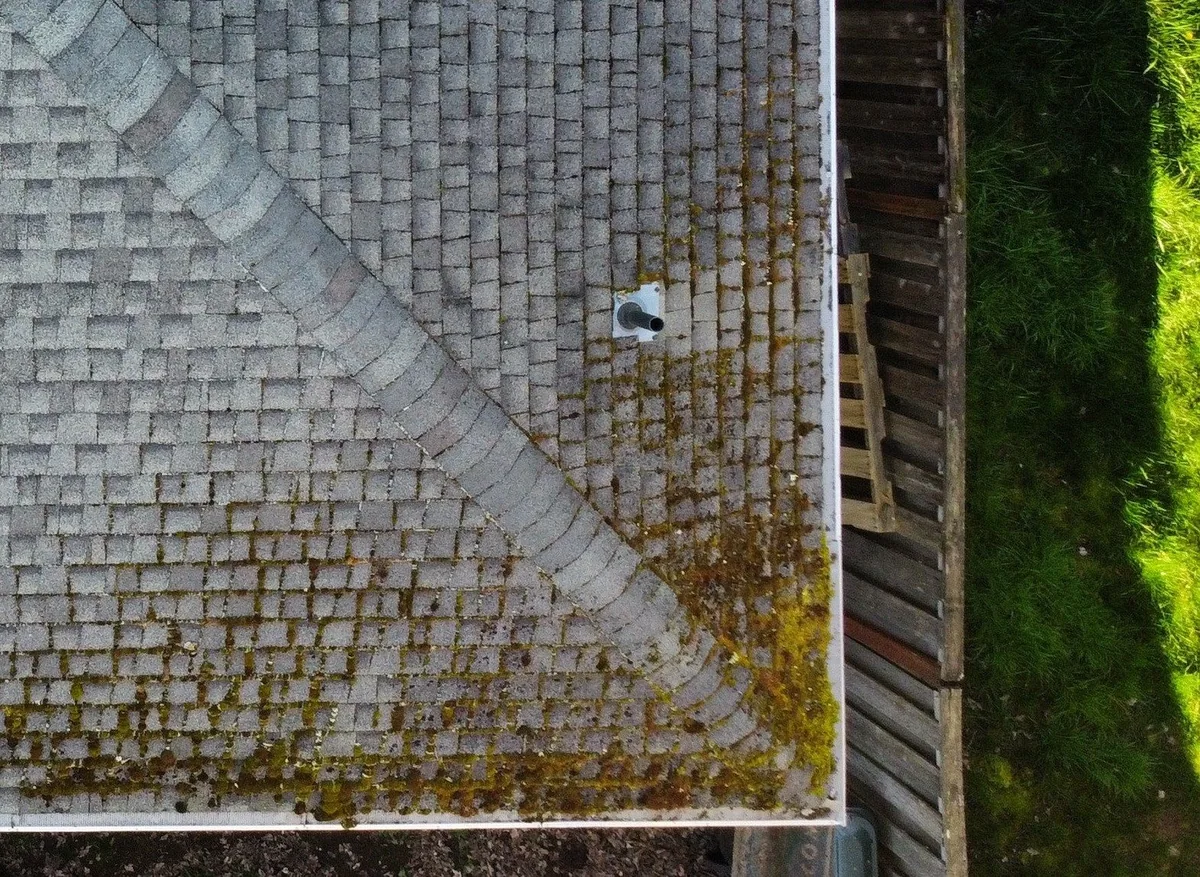
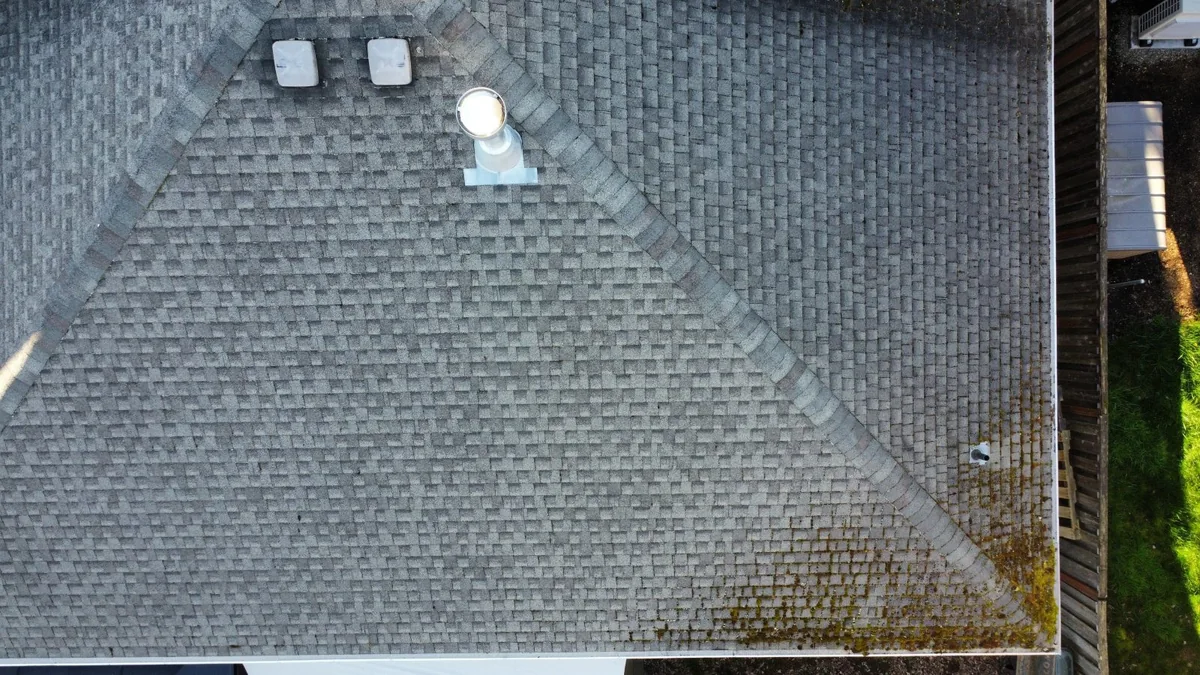
Heavy roof moss on asphalt shingles showing roof moss damage risk in Oregon
Moss becomes more than a cosmetic issue when it stays wet, thickens, and starts affecting how shingles drain.
Roofing Basics

How Moss Damage to Roofs Actually Happens

Accepted asphalt-shingle roofing practice is built around one main idea: the roof should shed water downward without trapping moisture. Moss interferes with that when it becomes thick enough to hold water, lift edges, or keep debris sitting on the roof.

Common roof moss problems and why they matter
Roof Moss Problem What Happens Why It Matters Typical Next Step
Moisture retention Moss acts like a small sponge and keeps shingles damp longer. Longer moisture exposure can accelerate normal roof wear in shaded areas. Treat early growth before it becomes thick.
Granule loss Moss, debris, foot traffic, and aggressive removal can loosen protective granules. Granules help protect asphalt shingles from sun and weather exposure. Use careful roof moss removal methods and avoid pressure washing shingles.
Shingle lifting Established moss can grow under edges and interrupt the shingle overlap. Raised edges can make it easier for wind-driven rain and debris to get where they should not. Review whether cleaning is needed before treatment.
Close up of roof moss retaining moisture on Oregon asphalt shingles
Moisture

Moss Holds Water Against the Roof

Asphalt shingles are meant to shed water, not stay wet under a layer of organic growth. Moss traps moisture at the shingle surface and slows drying after Oregon rain. That is especially common on north-facing slopes, shaded back roofs, and sections under firs, maples, cedars, or overhanging branches.

Moisture retention is one of the main reasons roof moss damage develops gradually. A light patch may not change much right away. A thick moss pad can stay wet after the rest of the roof has dried, which keeps the roof surface in a damp condition longer than intended.

Early roof moss treatment can be enough when growth is light. Once moss is thick and holding debris, roof cleaning may be needed first.
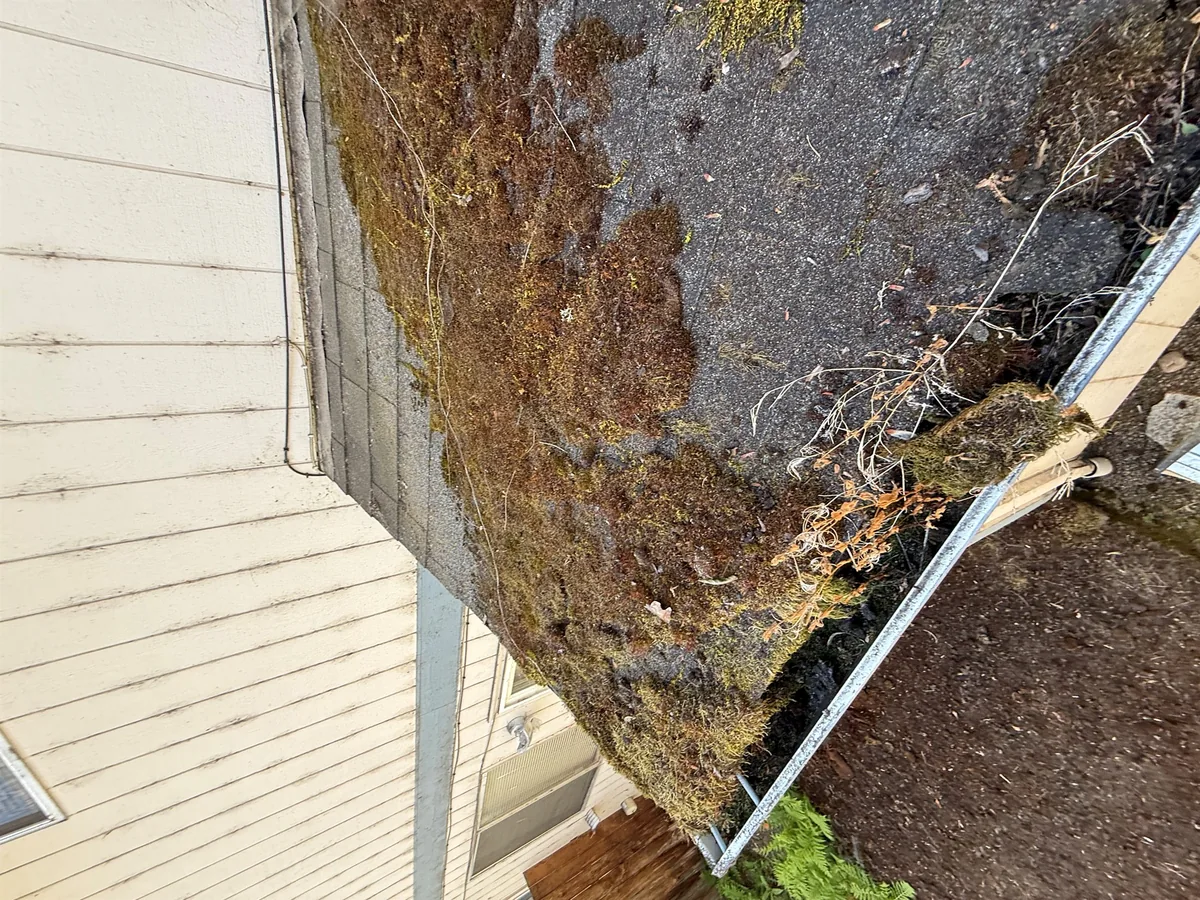
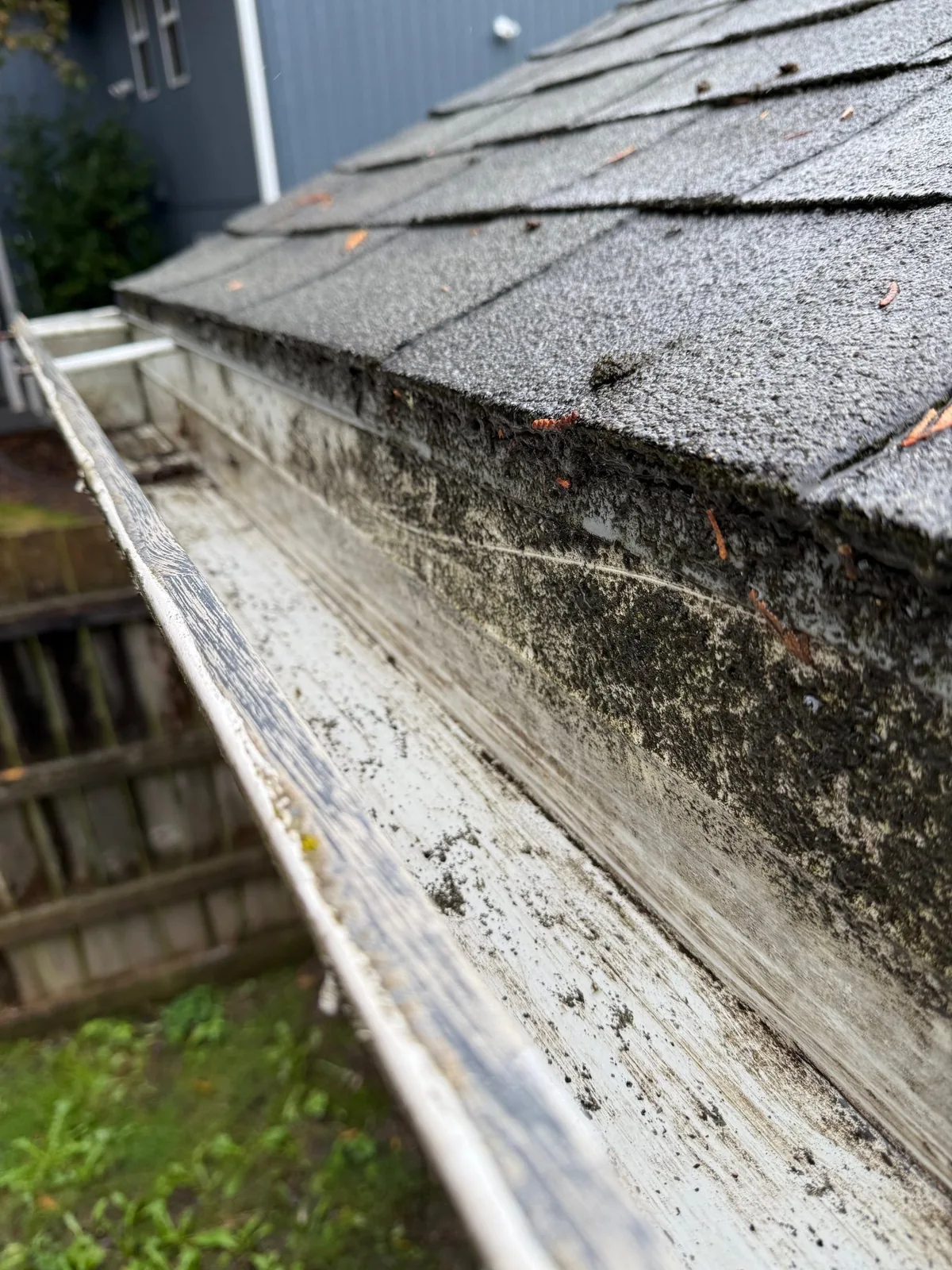
Heavy roof moss on Oregon shingles where granule loss and shingle lifting can become roof moss problems
Shingle Wear

Granule Loss and Shingle Lifting Are the Big Concerns

Granules are the protective surface on asphalt shingles. They help shield the asphalt from weather and sun exposure. Moss itself, loose debris, repeated wetting, walking on the roof, and rough removal can all contribute to granule wear if the roof is handled poorly.

That is why accepted roofing practice avoids high-pressure washing on asphalt shingles. A roof may need moss removed, but the removal method should protect the shingle surface as much as practical.

Shingle lifting is the other concern. As moss grows thicker, it can push into shingle edges and interrupt the overlap that helps the roof shed water. That does not mean a leak is guaranteed, but it does mean the roof is moving out of normal maintenance territory.

Water Path

Water Intrusion Risks Come From Interrupted Drainage

A shingle roof is a layered drainage system. Shingles, flashing, valleys, gutters, and roof edges all work together to move water off the structure. Moss creates risk when it holds water in place, dams up debris, or lifts material enough to change that drainage path.

Wind-driven rain is one reason roof moss problems should not be ignored forever. In a normal rain, water runs down the roof. In windy storms, water can be pushed sideways or upward at exposed edges. If moss has raised shingle edges or packed debris into a valley, the roof has less room for error.

That is still a maintenance conversation, not a panic button. The practical move is to handle moss before it becomes thick enough to affect roof drainage.

Moss and debris near a roof edge where drainage and gutters can be affected
Cold Weather

Freeze and Thaw Can Make Moisture Problems Worse

Western Oregon does not freeze every day in winter, but cold snaps happen. When moss holds moisture against shingles and temperatures drop, freeze and thaw cycles can add stress to small gaps, lifted edges, and debris-packed areas.

The issue is usually cumulative. One cold morning is not the problem. Repeated wet weather, shaded roof planes, moss pads, and occasional freezes can all work together over time.

Keeping moss light and manageable gives the roof a better chance to dry between storms and perform the way the shingle system was designed to perform.

Oregon Conditions

Why Oregon Roofs Are Vulnerable to Moss

Oregon roofs are not failing because moss exists. They are vulnerable because the local conditions let moss stay active for a long part of the year.

Common Local Factors
  • Long rainy seasons that keep roof surfaces damp.
  • Tree cover that drops needles, leaves, and shade.
  • North-facing roof planes that dry slowly.
  • Valleys and roof transitions that collect debris.
  • Cool, cloudy stretches that slow evaporation.
When Damage Gets Expensive
  • Moss is thick enough to look raised or spongy.
  • Shingle edges are lifting or debris is packed underneath.
  • Valleys, skylights, or roof edges hold wet buildup.
  • Gutters keep filling with roof debris and moss pieces.
  • The roof needs repair or replacement work before cleaning can safely happen.
Timing

Why Early Treatment Matters

Early treatment matters because light moss is simpler to manage than heavy moss. When moss is just starting, liquid treatment can help stop active growth and support normal roof moss maintenance. That is usually less involved than removing thick moss after it has settled into edges, valleys, and shaded roof planes.

Once moss becomes heavy, the job often shifts from maintenance to removal. That can mean more setup, more time on the roof, more care around fragile shingles, and a higher service cost. The roof cleaning cost guide explains why severity, pitch, access, and roof size affect pricing.

The best time to deal with moss is before it forces a bigger conversation. That does not mean rushing into unnecessary work. It means checking shaded roof sections regularly and choosing treatment or cleaning based on what is actually there.

Service Fit

Roof Moss Removal Should Match the Roof Condition

Not every roof with moss needs the same service. Light, patchy moss may be a good fit for roof moss treatment. Heavy moss, loose clumps, lifted shingle edges, or packed valleys may need careful roof cleaning before treatment.

Suds Doctor does not pressure wash asphalt shingles. That matters because the goal is to reduce moss problems without creating avoidable shingle wear. A good roof moss removal plan should protect granules, respect roof pitch and access, and avoid treating every roof like a concrete surface.

If you are not sure which service fits, photos of the mossiest roof sections usually give enough information to start the conversation.

Repair First

Some Roof Conditions Are Outside a Cleaning Scope

Active leaks, soft decking, missing shingles, open flashing, brittle or curled material, and a roof near replacement need a roofing evaluation. Moss may be present, but it may not be the main problem. Cleaning should not be used to disguise failing material or delay a necessary repair conversation.

When damage is uncertain, send photos and disclose known leaks or prior repairs. Suds Doctor can identify whether the visible growth appears suitable for maintenance, but a roofer is the appropriate trade for structural condition, remaining roof life, flashing defects, and water intrusion.

Ground Inspection

Look for Patterns Without Walking the Roof

From the ground, compare north-facing and tree-facing slopes with open sunny areas. Photograph raised moss along shingle edges, debris in valleys, gutter lines holding moss pieces, and lower roofs below upper drainage. Binoculars or a camera zoom are safer than stepping onto wet or unfamiliar shingles.

This page owns roof-damage intent. For a broader surface-by-surface overview, use what moss does around an Oregon home. For the service decision, compare roof cleaning with moss treatment.

FAQ

Moss Damage to Roofs FAQs

Practical answers for Oregon homeowners comparing roof moss damage, roof moss removal, treatment, and cleaning.

Can moss damage asphalt shingles?

Yes. Moss can hold moisture, collect debris, contribute to granule wear, and grow under shingle edges. Light moss is usually a maintenance issue, while heavy moss deserves closer attention.

Does moss always mean my roof is leaking?

No. Moss does not automatically mean the roof is leaking. It means conditions are present that can create roof moss problems over time, especially if moss becomes thick or starts lifting shingle edges.

Is roof moss removal safe for shingles?

It can be when the method is appropriate. Asphalt shingles should not be pressure washed. Roof moss removal should be careful, roof-specific, and followed by treatment when needed.

Why are Oregon roofs so prone to moss?

Rain, shade, tree cover, cool weather, and north-facing roof sections all help moss grow. Many Oregon roofs need routine observation and maintenance instead of waiting for heavy buildup.

When does roof moss become expensive?

Costs usually rise when moss becomes thick, roof access is difficult, shingles are fragile, valleys are packed with debris, or the roof needs repair before cleaning can be done safely.

Roof Moss Help

Not Sure If the Moss Is Still Maintenance Level?

Send roof photos and Suds Doctor can help you sort out whether treatment, cleaning, or a closer roof condition review makes the most sense.

Call Now (971) 777-1441