PNW Driveway Cleaning Guide

How to Clean a Driveway in Oregon

Driveway cleaning is not just blasting concrete with water. The best method depends on the concrete condition, the type of buildup, stains, edges, and how slippery the surface has become.

Driveway cleaning in Oregon showing residential concrete that can collect moss, algae, and tire marks
Oregon driveways often collect algae, moss, soil, and tire marks because concrete stays damp through long stretches of wet weather.
Quick Comparison

Different Driveway Problems Need Different Cleaning Expectations

A driveway can look dirty for several reasons at once. Organic growth, surface soil, tire marks, oil, rust, and old concrete wear do not all respond the same way.

Common driveway cleaning issues and what to expect
Driveway Issue Common Cause Best Cleaning Approach What to Expect Risk Level
Green or dark organic buildup Shade, rain, tree cover, algae, moss, and damp concrete. Surface cleaning or pressure washing with the right pressure and technique. Often cleans up well, though shaded concrete can grow back faster. Moderate
Oil or deep stains Vehicle leaks, older porous concrete, and stains that have soaked below the surface. Pre-treatment and pressure washing, with honest expectations. May lighten significantly without disappearing completely. Variable
Etched or damaged concrete Too much pressure, aggressive tips, old concrete, or previous cleaning damage. Careful assessment before cleaning. Cleaning can remove buildup, but it cannot erase permanent etching. High
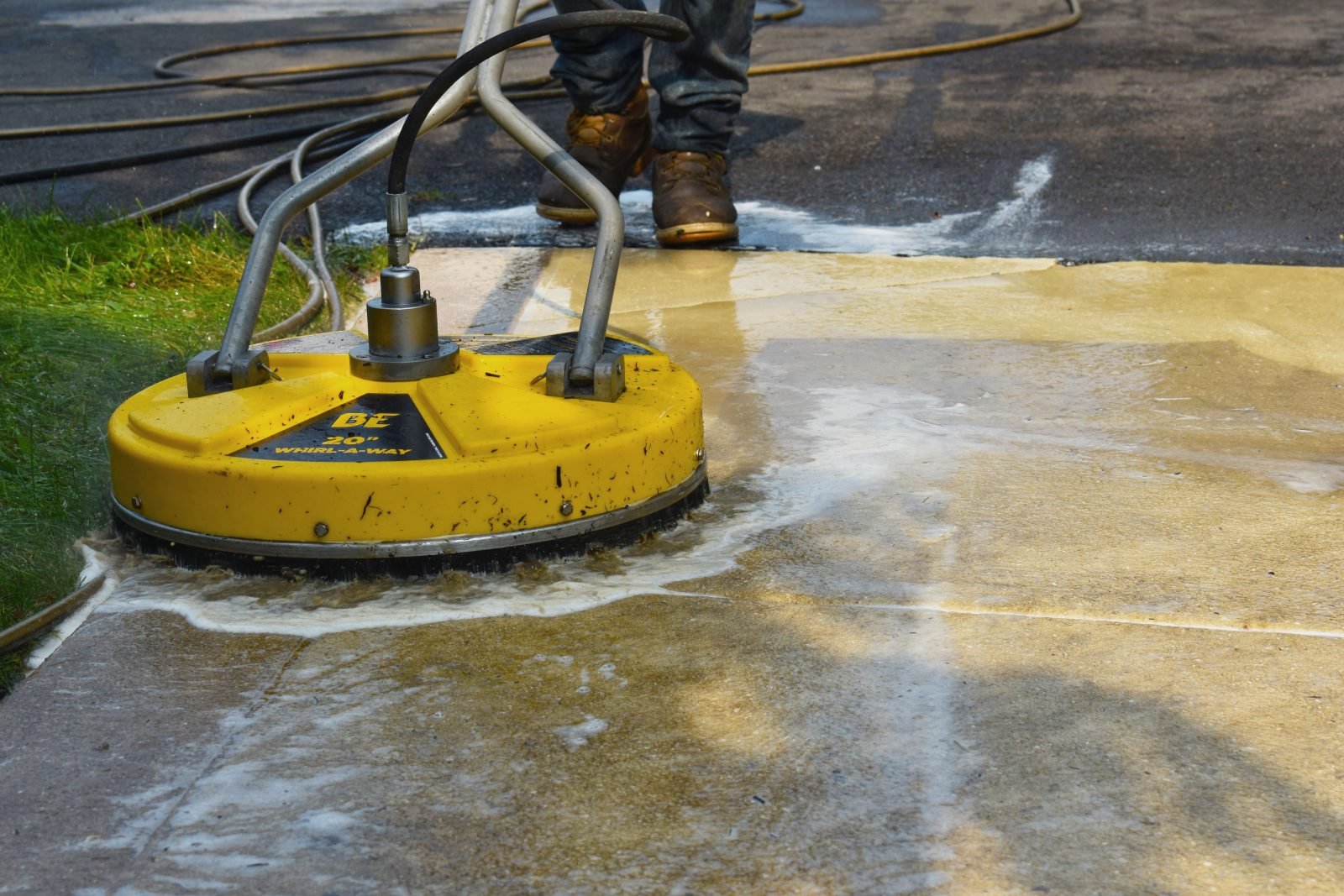
Pressure washing concrete with surface-appropriate equipment for driveway and pathway cleaning in Oregon
Method Matters

When Pressure Washing Helps a Driveway

Pressure washing can be a good fit for concrete driveways with soil, algae, moss, tire tracking, and general weather buildup. In Beaverton, Hillsboro, Tigard, and nearby Portland-area neighborhoods, shaded concrete often stays damp long enough for green and dark organic growth to spread.

The goal is to clean the surface without carving lines into it. That means choosing pressure, distance, and cleaning pattern based on the driveway, not treating every slab like it can handle the same force.

A surface cleaner can help create a more even result on larger flatwork because it keeps the spray pattern controlled. A wand still has a place for edges, corners, and detail work.
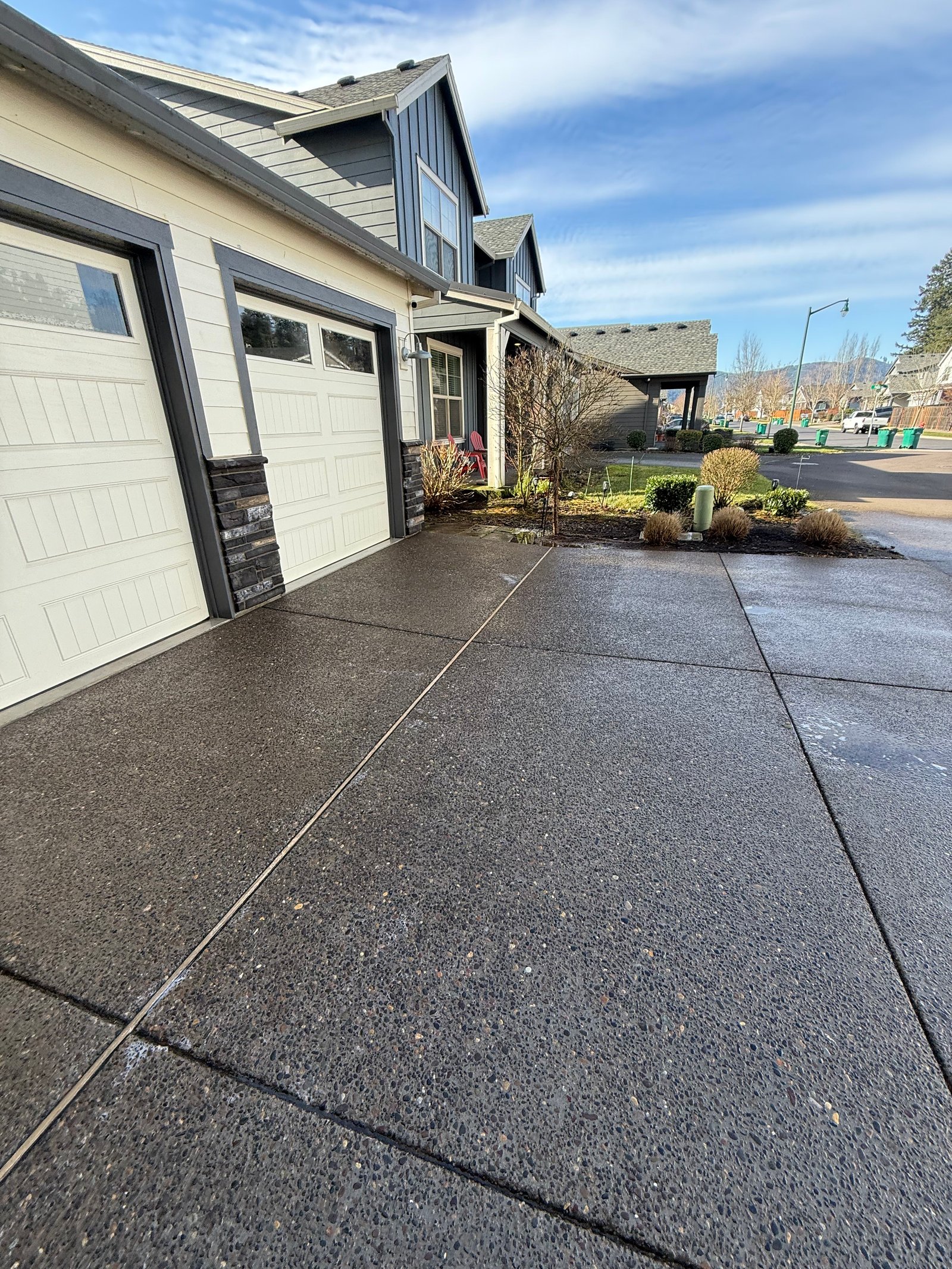
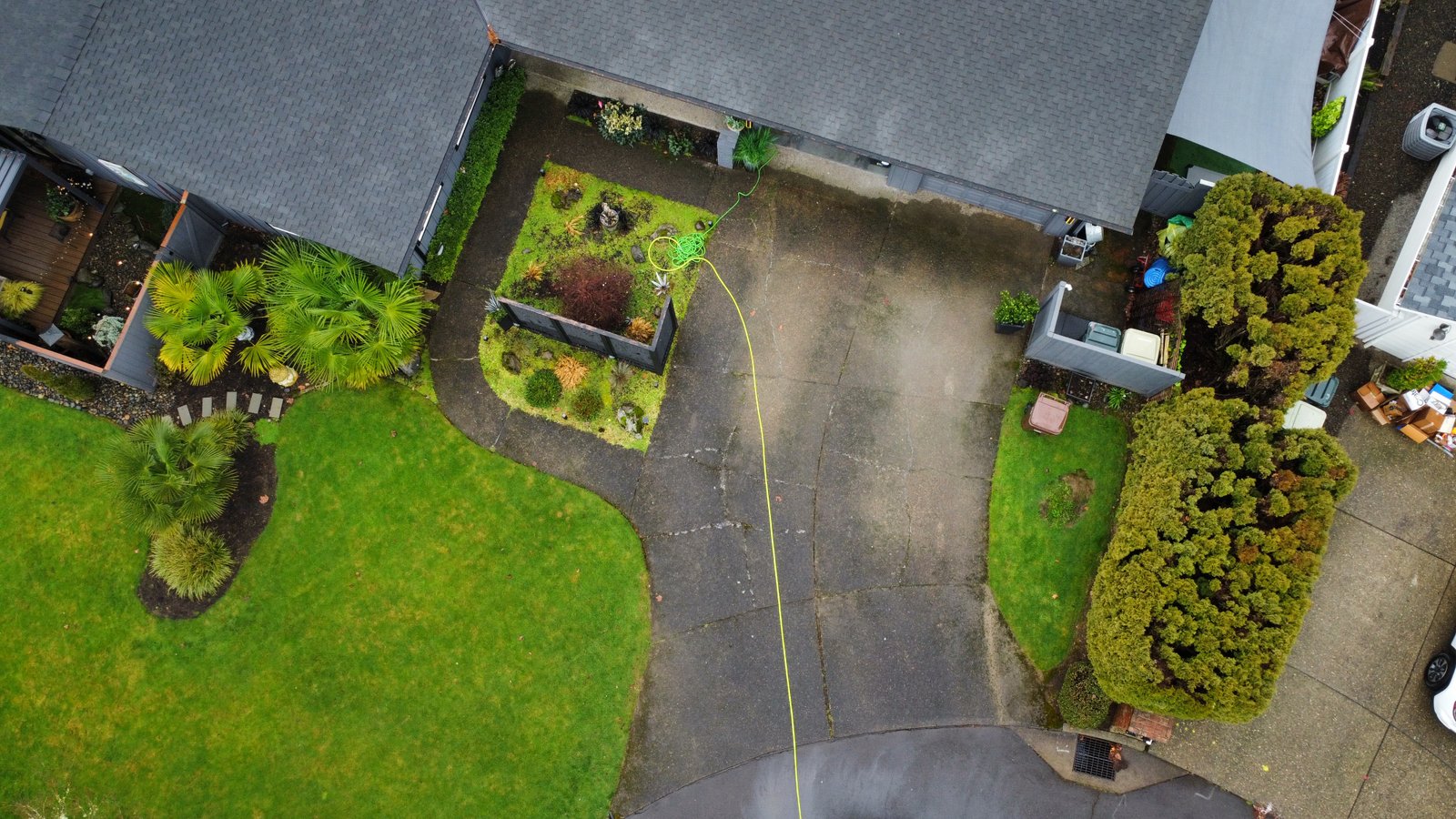
Driveway concrete in Oregon where shaded areas can collect moss, algae, and wet-weather buildup
Oregon Buildup

Why Driveways Get Slick and Dark

Moss and algae grow well where surfaces stay shaded and wet. Oregon State University notes that moss and algae on patios, decks, sidewalks, and walkways can create slipping hazards, especially in high-traffic areas.

Driveways collect the same kind of conditions: water from rain and sprinklers, leaves, needles, soil, and vehicle residue. The more shade and debris a driveway gets, the faster organic growth can return after cleaning.

Cleaning the driveway helps, but long-term control usually also means reducing the conditions that keep it damp, such as heavy debris, dense shade, and thick overhanging vegetation where practical.

Homeowner Decision Guide

Should You Clean the Driveway Yourself or Hire It Out?

A rented pressure washer can handle some light cleanup, but there are times when hiring a driveway cleaning company is the safer call.

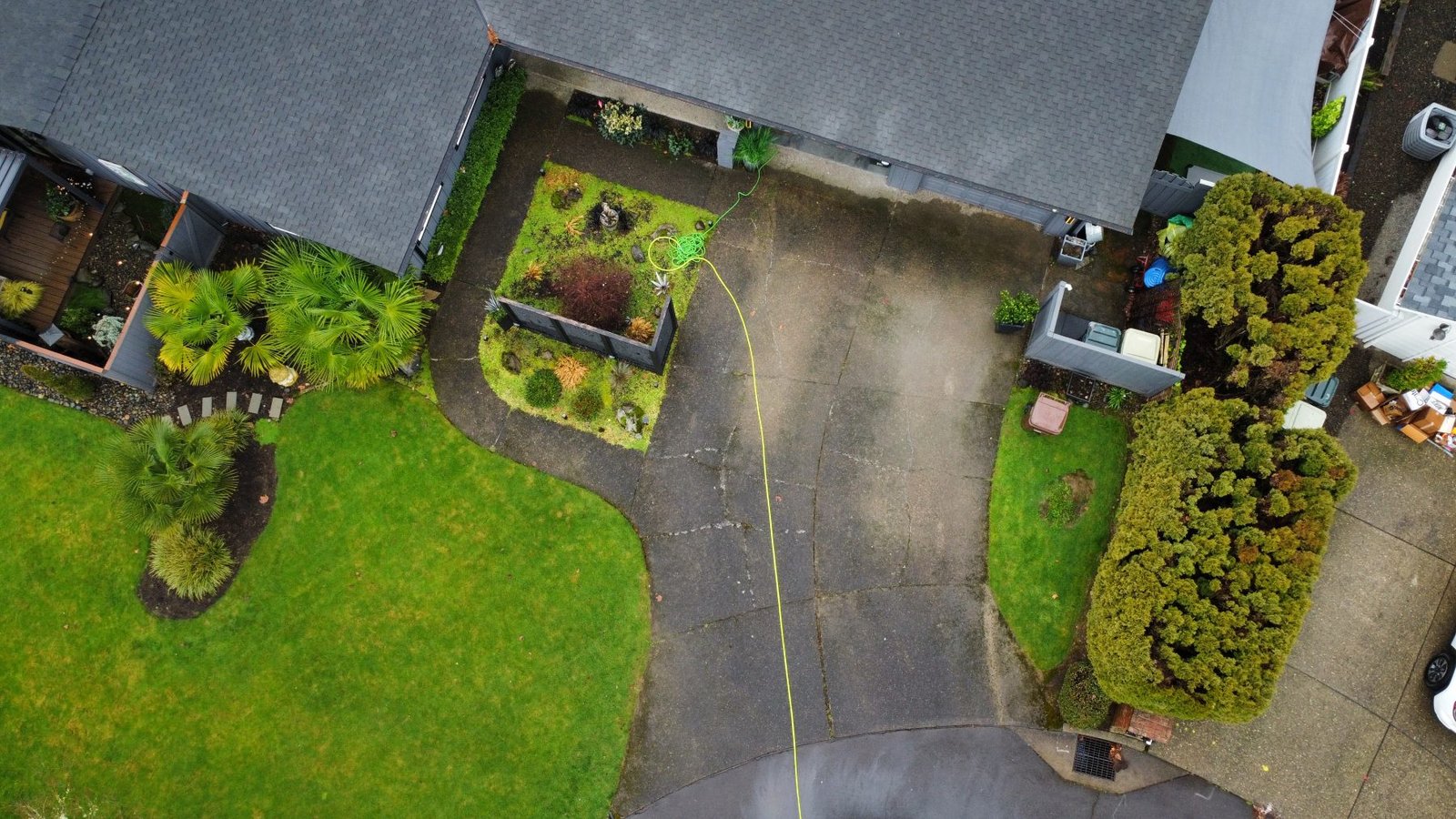
Residential driveway in Oregon with concrete areas that may need routine cleaning and surface washing
DIY May Be Reasonable If
  • The concrete is newer and in good condition.
  • The buildup is light soil or seasonal grime.
  • You are working on a small area with simple edges and light buildup.
  • You are comfortable working slowly and testing pressure first.
  • The driveway is not steep, cracked, or heavily stained.
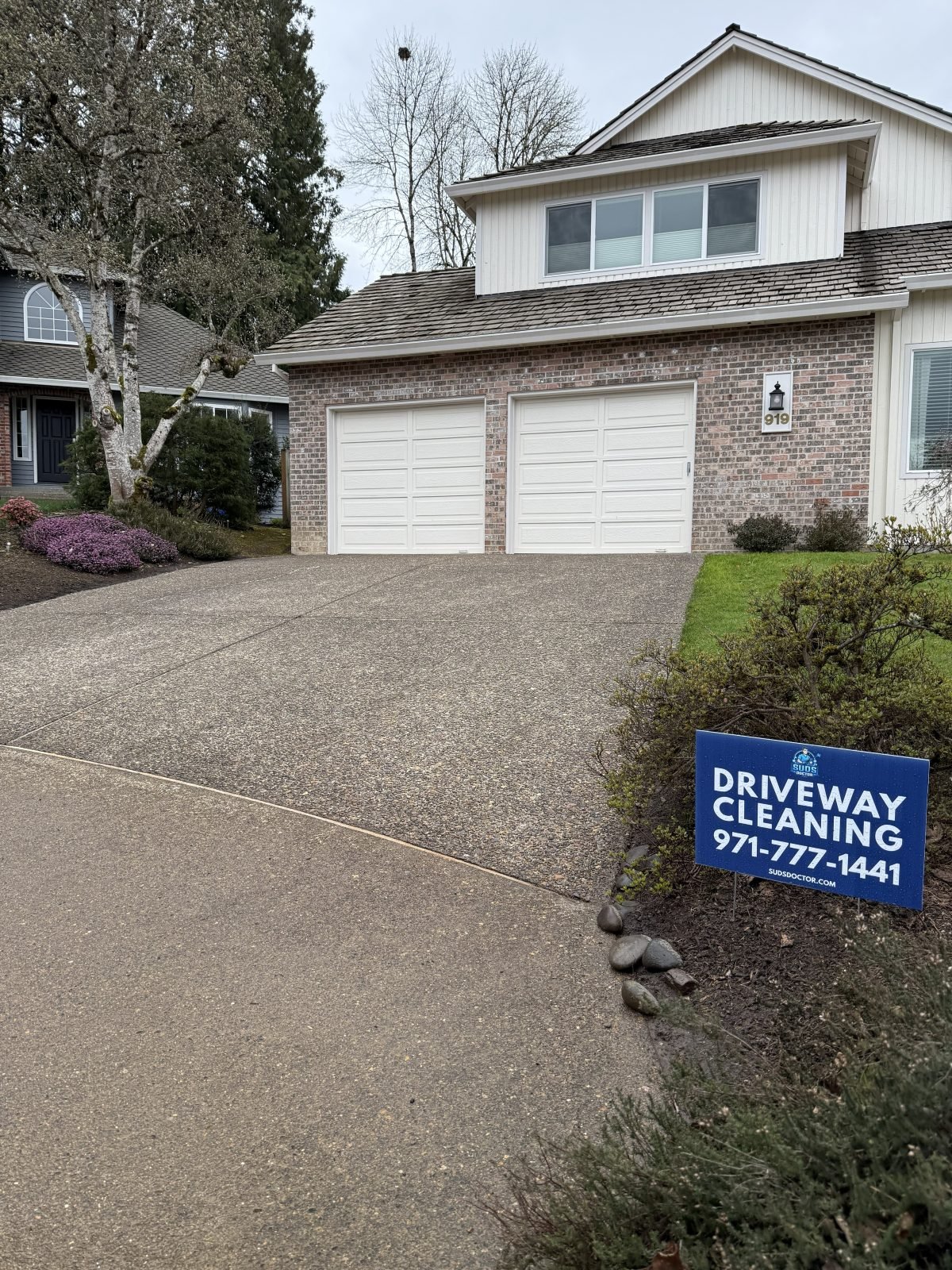
Suds Doctor driveway cleaning project with residential concrete and service sign
Hire a Pro If
  • The concrete is slick with algae or moss.
  • You see old wand marks or pressure-washing stripes.
  • The driveway has oil stains, rust, or heavy organic buildup.
  • The driveway has tight edges, nearby landscaping, or uneven concrete.
  • You want a more even clean across a large driveway.
Surface Condition

Driveway Cleaning Should Match the Concrete

Concrete is not all the same. A newer broom-finished driveway, an older slab with hairline cracks, and exposed aggregate all respond differently to pressure washing.

That is one reason Suds Doctor looks at the surface before choosing a cleaning approach. The best cleaning plan is not only about making concrete brighter. It should avoid unnecessary wear, striping, and edge damage.

On many residential jobs, practical steps like pre-rinsing nearby plants, clearing loose debris, testing a small area, and using even cleaning passes can make the result cleaner and more predictable.

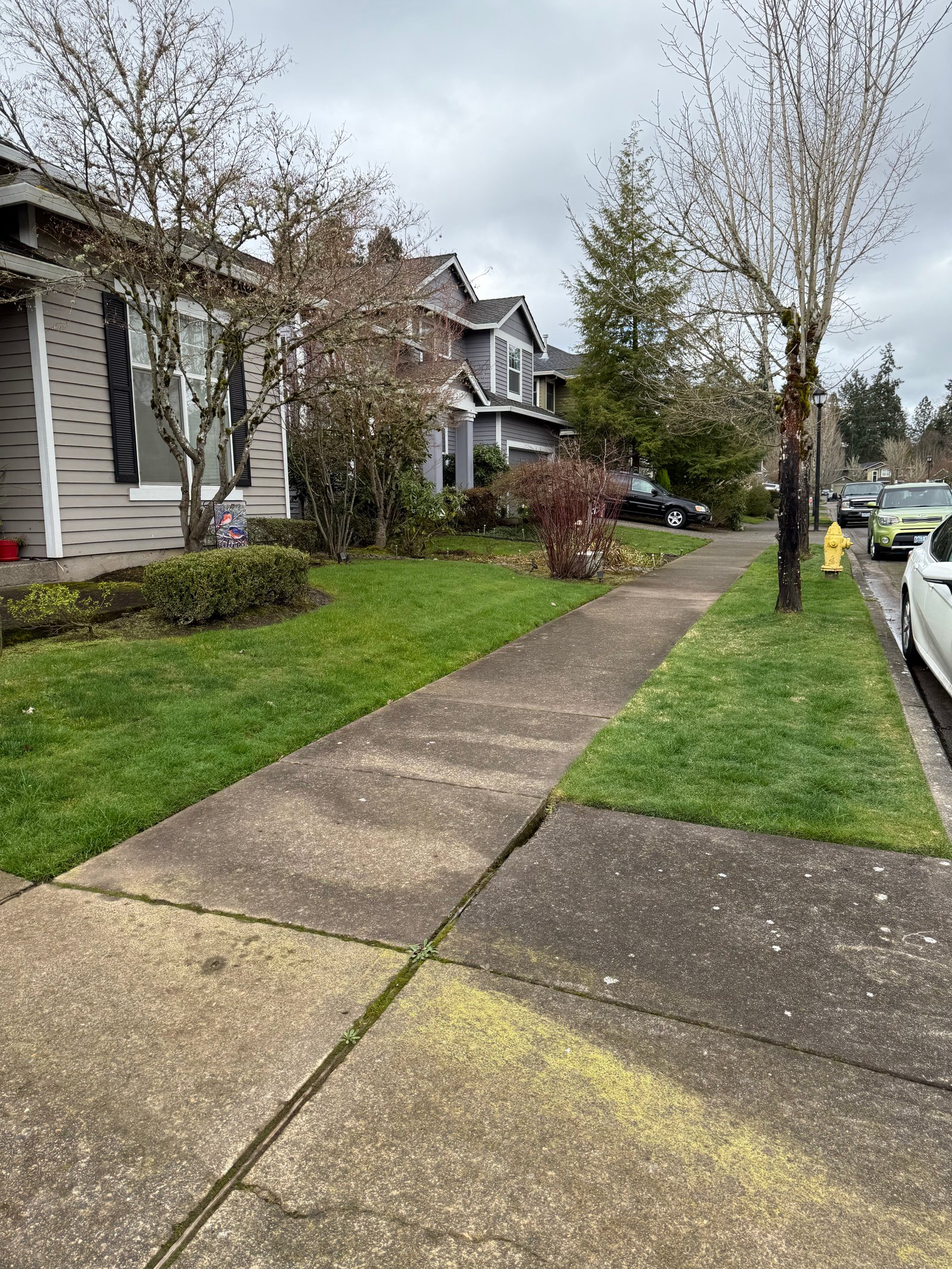
Concrete walkway with heavy organic buildup before surface cleaning in Oregon
Before You Book

What We Check Before Cleaning Concrete

We look at concrete age, cracks, exposed aggregate, past cleaning marks, plant beds, and stain type. That lets us recommend a realistic cleaning approach instead of promising that every mark will disappear.

For routine green or dark buildup, driveway cleaning can make a big visible difference. For oil, rust, irrigation staining, or old etched concrete, the honest answer may be improvement rather than perfection.

If the driveway connects to patios, walkways, or front steps, it may make sense to clean those surfaces together so the whole entry area looks consistent.

FAQ

Driveway Cleaning FAQs

Helpful answers for homeowners comparing driveway cleaning, concrete pressure washing, and surface cleaning in Oregon.

Can pressure washing damage a concrete driveway?

Yes. Too much pressure, the wrong tip, or holding the spray too close can etch concrete and leave permanent lines. Older concrete and exposed aggregate need extra care.

Will driveway cleaning remove oil stains?

It depends on how long the oil has been there and how deeply it has soaked into the concrete. Cleaning and pre-treatment can often improve the stain, but old oil may not disappear completely.

Is moss on a driveway dangerous?

Moss and algae can make concrete slippery, especially in wet weather. Oregon State University recommends removing moss from walkways when it creates a slipping hazard.

How often should I clean my driveway in Oregon?

Most driveways do not need a fixed schedule. Shaded, tree-covered, or north-facing concrete may need cleaning more often than sunny, open driveways that dry quickly.

Can you clean the driveway, walkway, and front steps together?

Yes. Cleaning connected concrete areas together often gives a better overall result because the driveway, front walk, and entry steps age and collect buildup as one visual area.

Driveway Quote Help

Want a Cleaner Driveway Without Guessing on Pressure?

Send us a few photos or request a quote and we will tell you what driveway cleaning can realistically improve.