Moss is normal in the Pacific Northwest, but it becomes a maintenance problem when it settles onto roofs, walkways, driveways, gutters, and other surfaces that need to dry between stretches of wet weather.
Moss grows easily in shaded, damp Oregon conditions. The right fix depends on the surface, the amount of growth, and the risk of damage.
Moss Around the Home
Moss Is Not the Same Problem on Every Surface
Roof shingles, concrete, siding, gutters, and decks all need different cleaning decisions. A method that makes sense for a driveway can be the wrong method for an asphalt shingle roof.
How moss affects common exterior surfaces
Surface
What Moss Can Do
Cleaning Risk
Better Service Fit
Urgency
Asphalt shingle roofs
Hold moisture, slow water flow, and contribute to shingle damage over time.
High pressure and aggressive brushing can damage shingles.
Roof moss treatment or careful roof cleaning.
Moderate to high
Driveways and walkways
Create slick spots and dark organic buildup in shaded areas.
Too much pressure can etch concrete.
Pressure washing or surface cleaning.
High if slippery
Siding and trim
Collect organic staining where moisture lingers near landscaping or shade.
Aggressive pressure can force water behind siding or damage paint.
Soft washing or low-pressure house washing.
Moderate
Roof Risk
What Moss Can Do to Roof Shingles
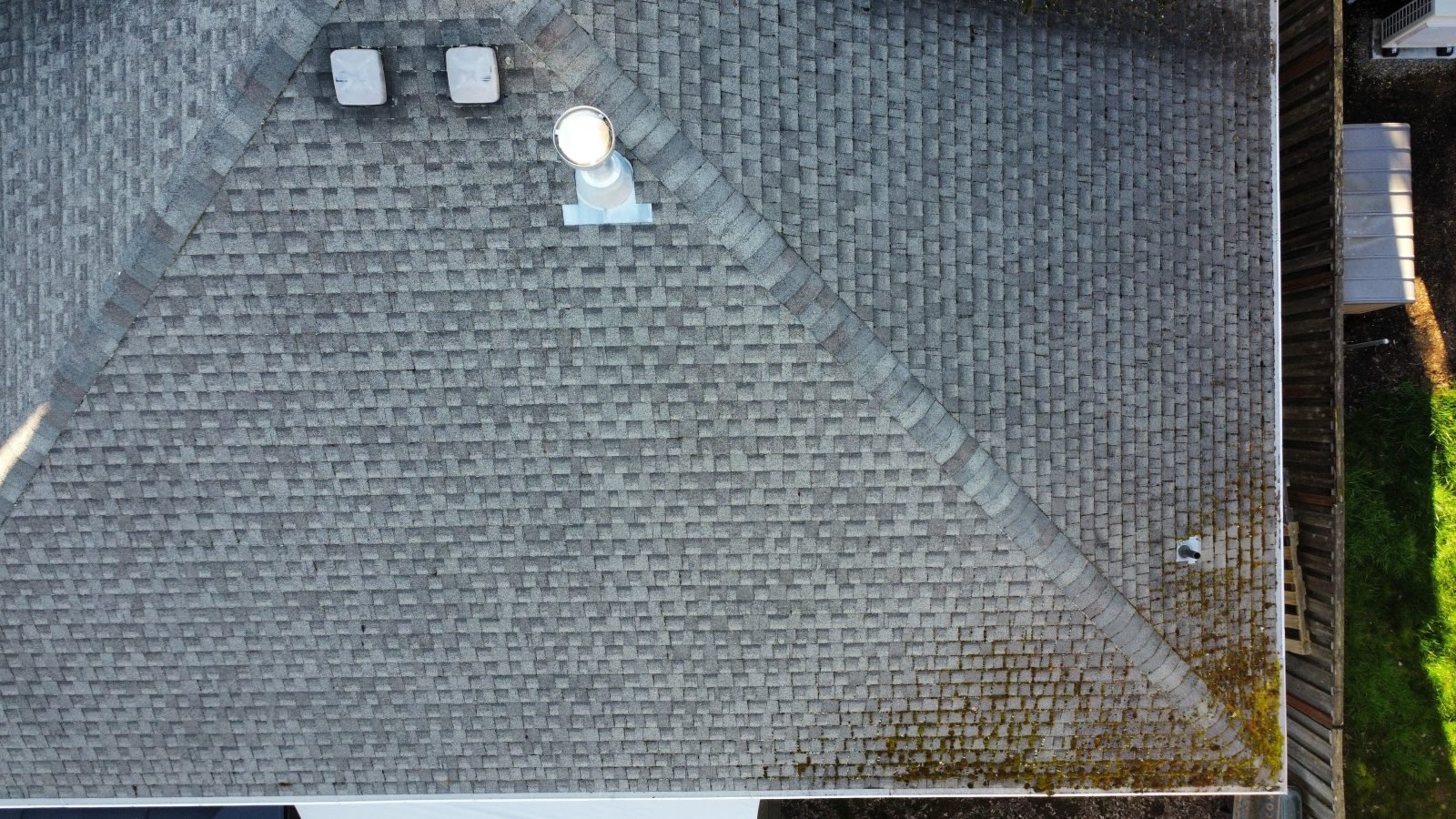
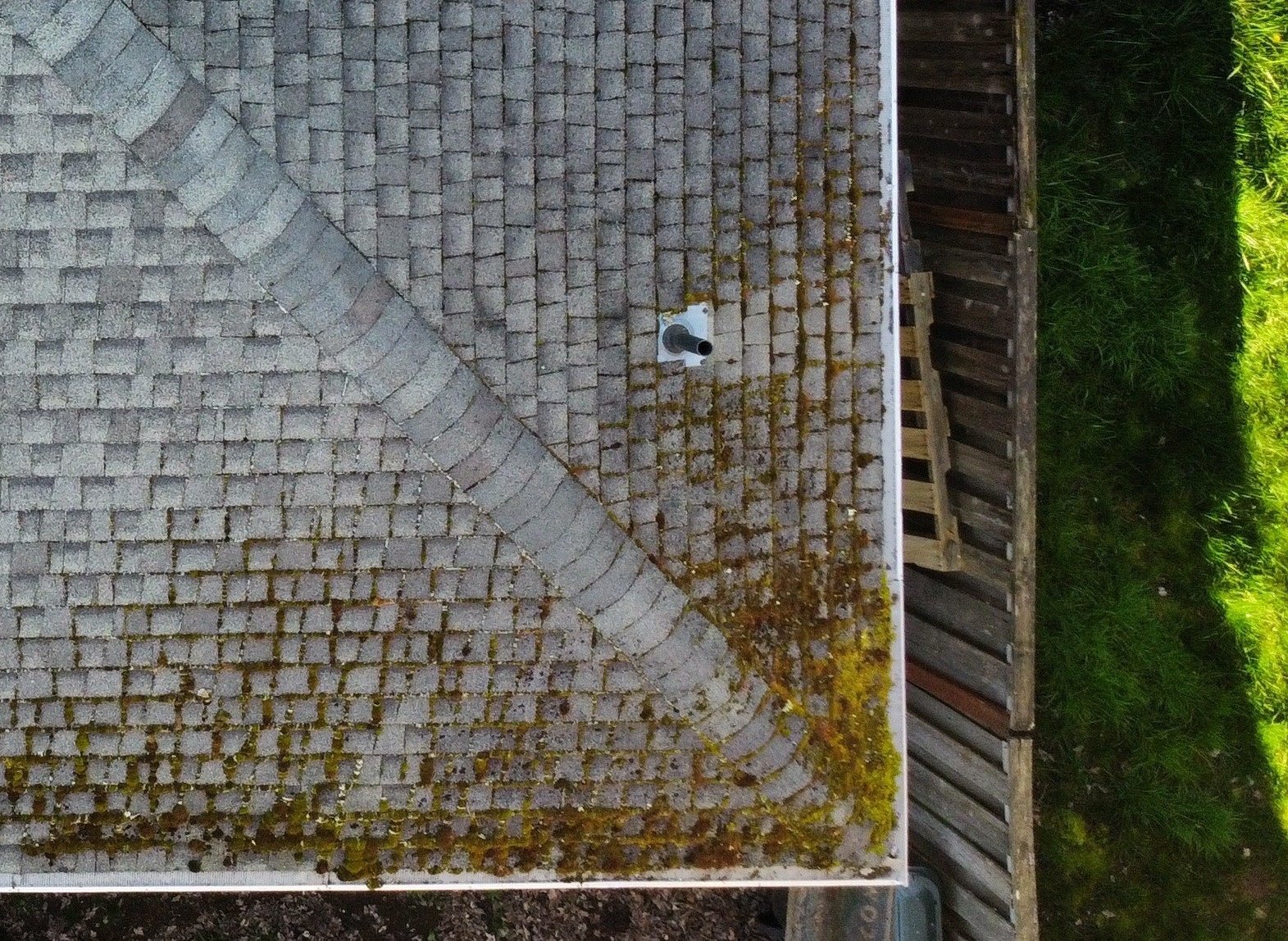
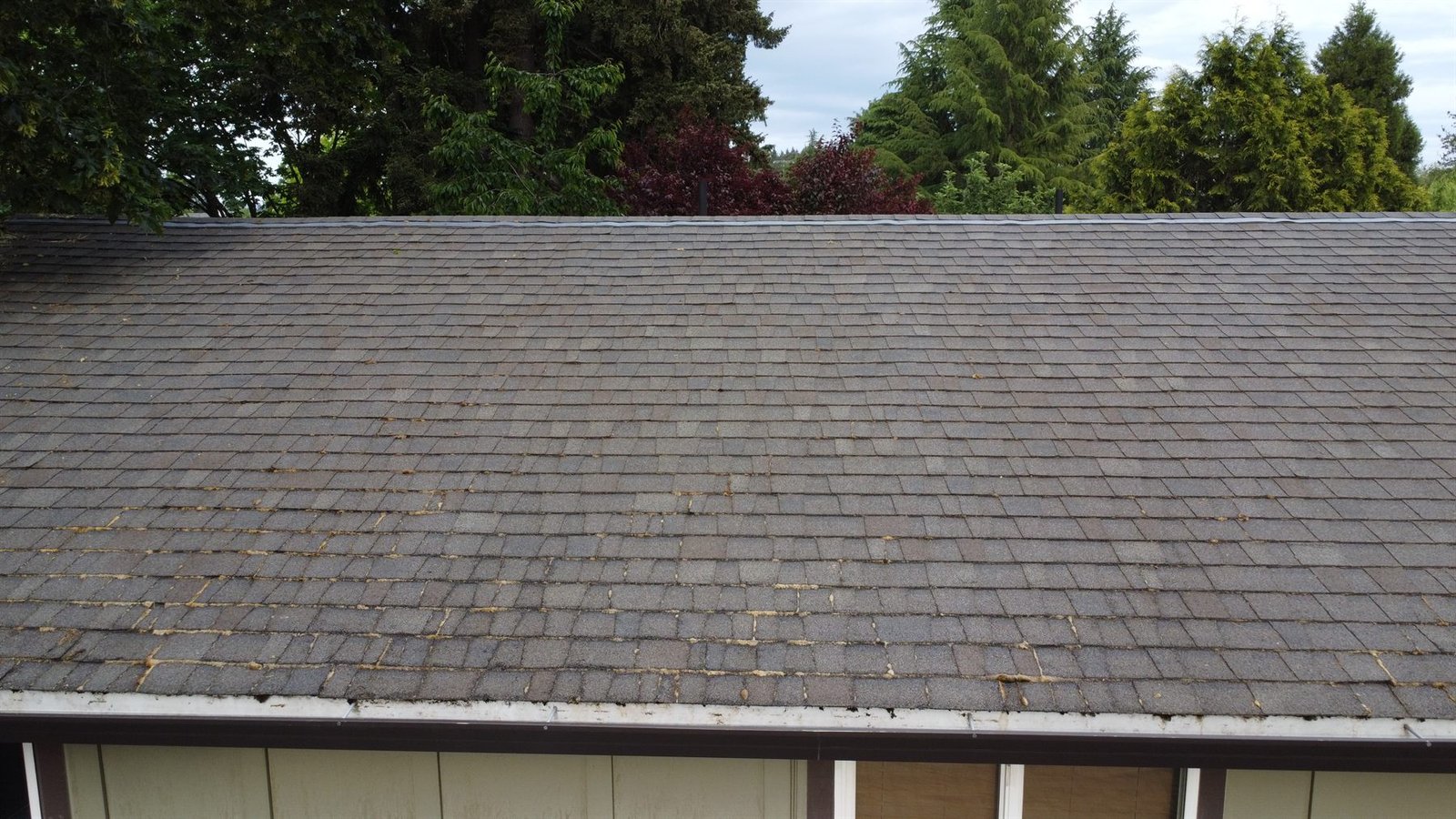
Oregon State University notes that moss grows on roofs, can damage shingles, and may contribute to water damage. It also points out that moss growth can slow or prevent water from flowing off the roof over time.
That does not mean every small patch is an emergency. Light moss on one shaded area is different from thick clumps packed into roof valleys, edges, and shingle gaps. The heavier the growth, the more important it is to get the roof looked at before moss and debris keep holding moisture in place.
For asphalt shingles, Suds Doctor does not pressure wash the roof. The Asphalt Roofing Manufacturers Association warns against power washing asphalt roofing because high-pressure washing can damage the roof surface.
Slip Risk
What Moss Does to Driveways and Walkways
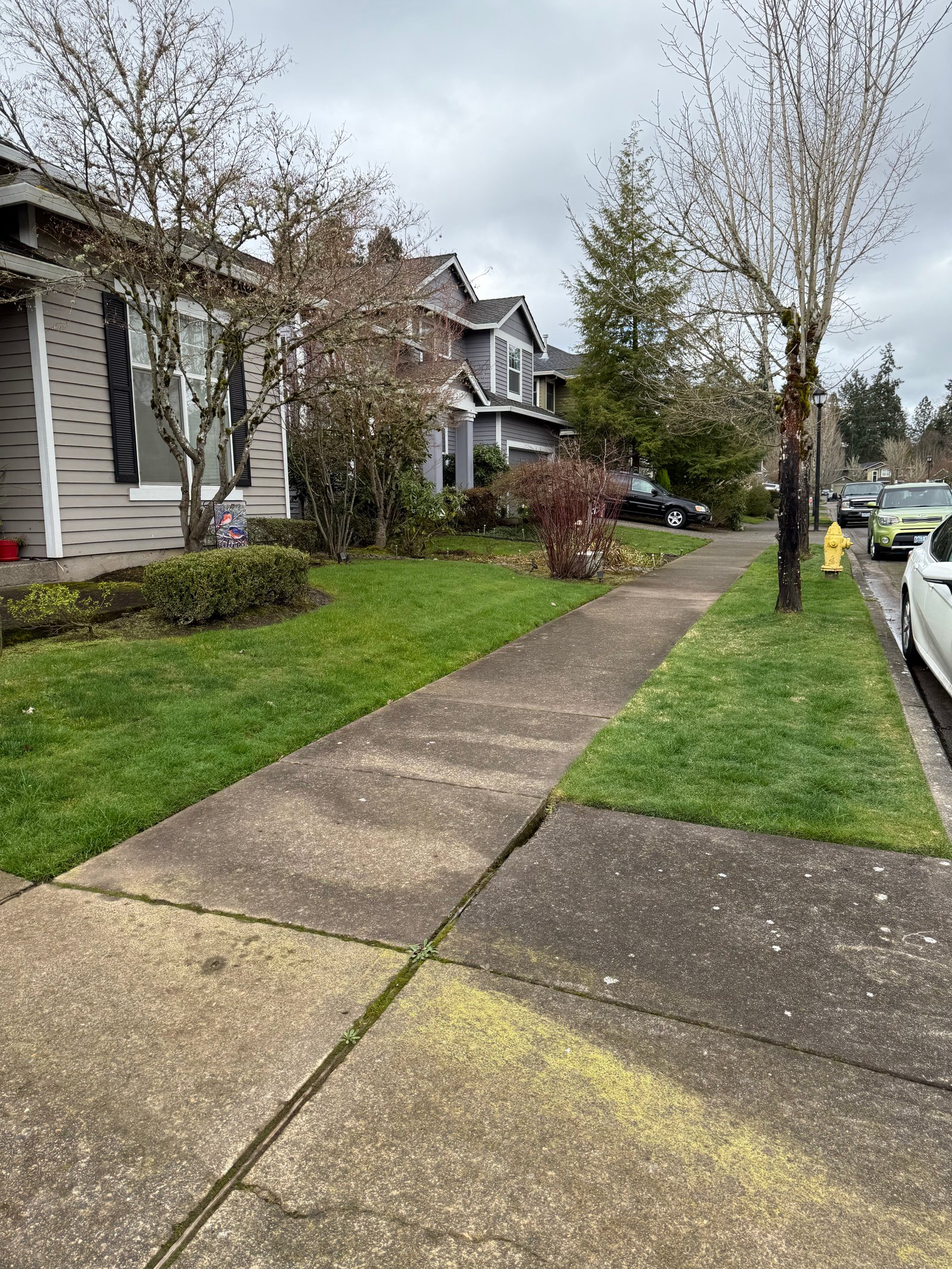
On concrete, moss is usually less about hidden damage and more about safety and appearance. Oregon State University identifies moss growing on sidewalks as a slipping hazard and recommends removal from high-traffic areas when needed.
Driveways, front walks, patios, and steps can all get slick in shaded parts of a property. North-facing concrete, areas under trees, and surfaces near downspouts usually stay wet longer, so they can become green or dark before sunnier concrete does.
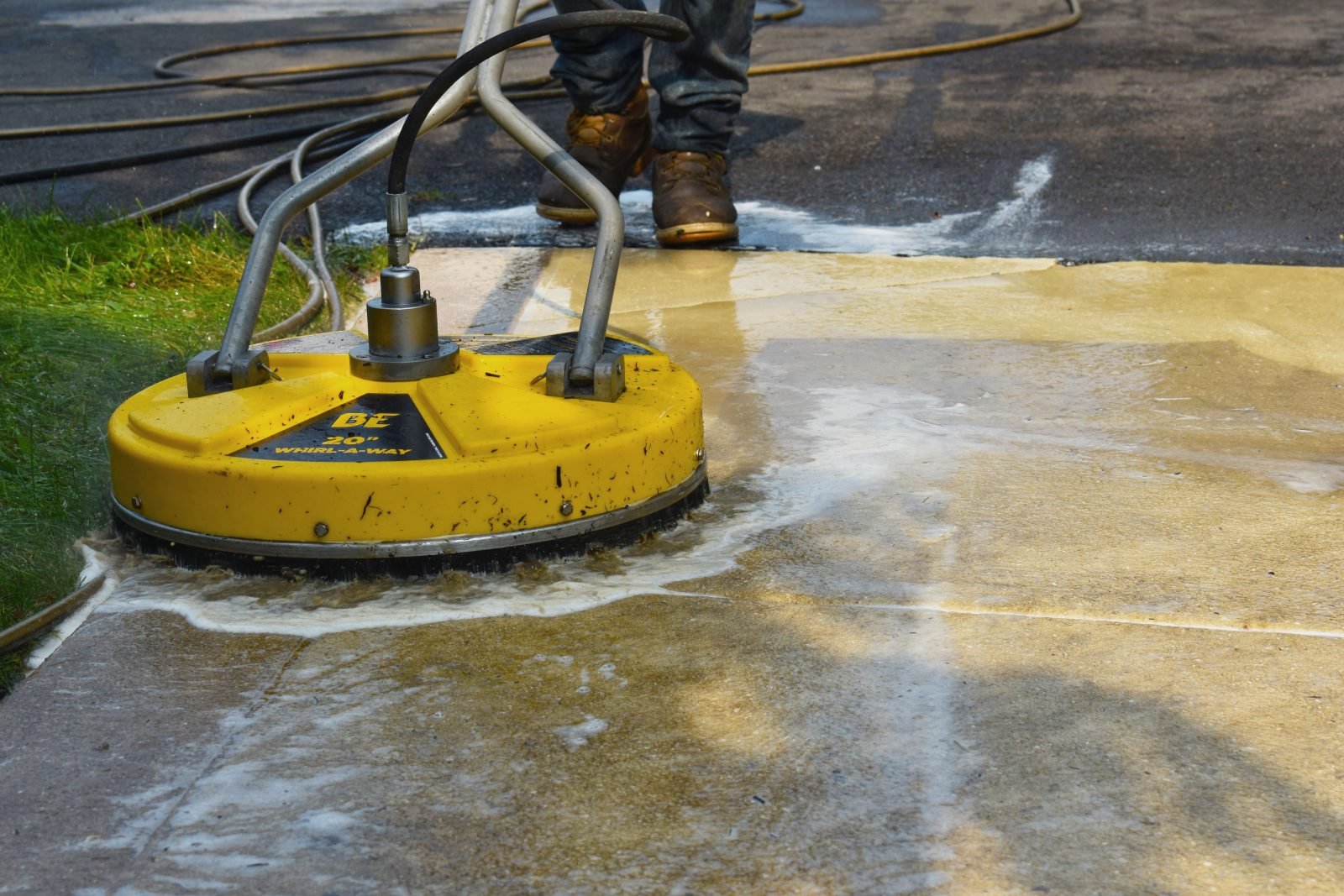
Pressure washing and surface cleaning are often good options for concrete, but the pressure still has to match the surface. Old concrete, cracked edges, and exposed aggregate deserve a slower look before cleaning starts.
Cleaning vs Treatment
The Right Moss Solution Depends on the Surface
Moss control is not one service. Roofs, concrete, siding, and gutters each need a different level of force, chemistry, access, and expectation setting.
Treatment May Fit If
Moss is light, patchy, or mostly starting.
The roof was previously cleaned and needs maintenance.
There are not large clumps that should be removed first.
The goal is ongoing roof care rather than instant visual cleanup.
You want to slow regrowth in shaded roof sections.
Cleaning May Fit If
Moss is thick, clumpy, or holding debris.
Concrete is slippery underfoot after rain.
Walkways, patios, or steps are high-traffic areas.
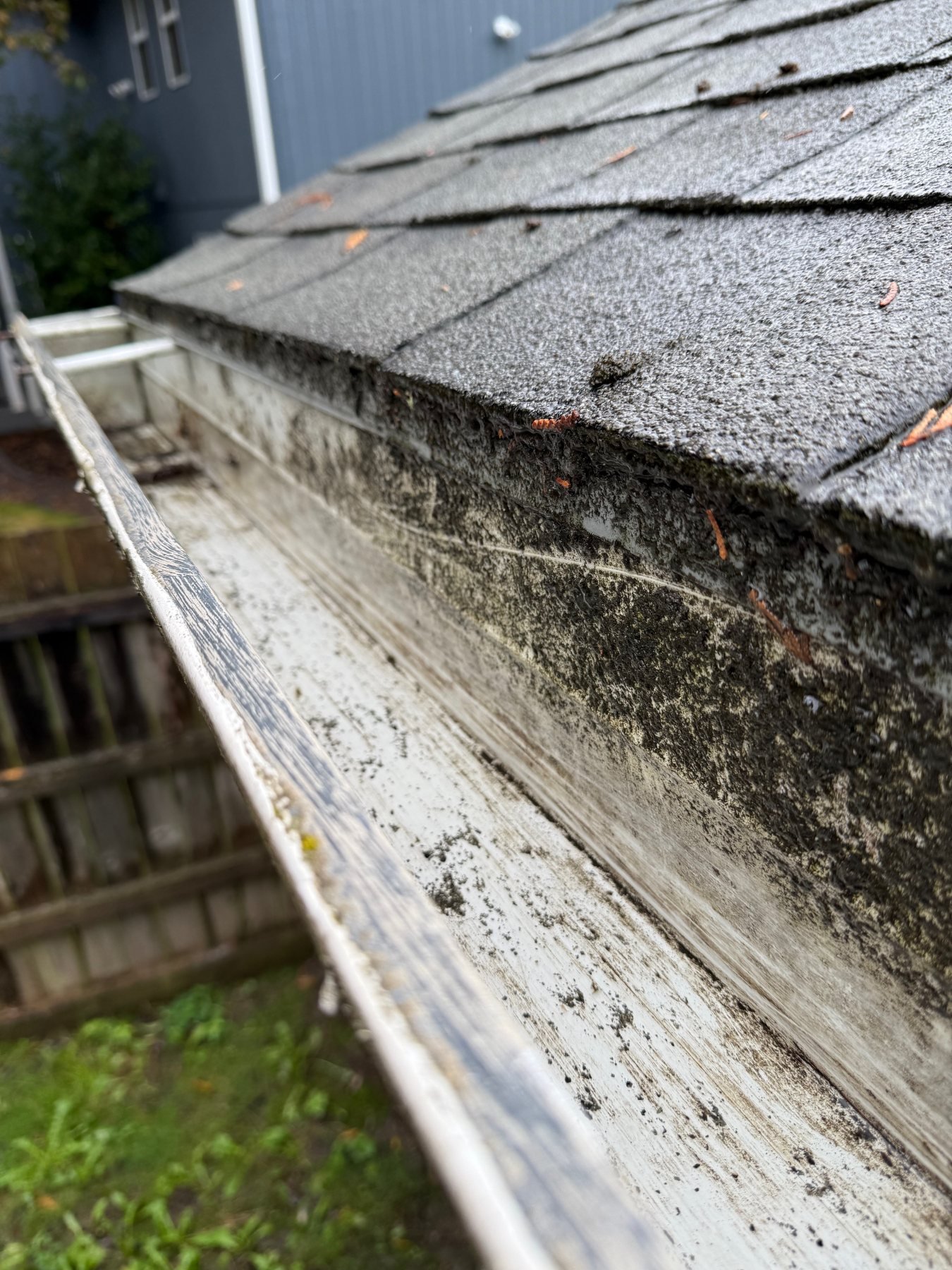
Gutters and roof edges are packed with needles or organic material.
Siding has green staining that needs low-pressure washing.
Moisture Control
Moss Usually Points to a Moisture Pattern
Moss is part of the outdoor environment, especially in the Pacific Northwest. The problem starts when a surface that should dry or drain stays wet, shaded, and covered with debris.
The EPA makes a similar point about indoor mold: moisture control is the key. Outdoor moss is not the same as indoor mold, but the practical lesson is familiar for homeowners. If the moisture pattern stays the same, growth often returns.
Cleaning helps reset the surface. Maintenance helps slow the cycle. Clearing roof debris, keeping gutters flowing, trimming heavy shade where practical, and cleaning slick concrete before it becomes a fall risk all work together.
Prevention Mindset
How to Reduce Moss Regrowth
There is no honest permanent moss elimination promise for Oregon homes. Wet weather, shade, and tree cover will keep creating the conditions moss likes.
What you can do is keep surfaces cleaner and easier to manage. Remove roof debris before long wet stretches, keep gutters and downspouts moving water, address slick concrete when it starts, and use the right service for the right material.
If you are not sure whether the roof needs treatment, the driveway needs surface cleaning, or the siding needs soft washing, photos usually give us enough to point you in the right direction.
FAQ
Moss Around the Home FAQs
Helpful answers for homeowners dealing with moss on roofs, concrete, siding, gutters, and shaded exterior surfaces.
Does moss damage asphalt shingles?
Moss can contribute to shingle damage over time, especially when it holds moisture and slows water flow. Heavy moss should be reviewed before it becomes a bigger roof maintenance issue.
Can I pressure wash moss off my roof?
No. Suds Doctor does not pressure wash asphalt shingles. High-pressure washing can damage asphalt roofing, so roof moss needs a roof-safe cleaning or treatment plan.
Is moss on concrete slippery?
Yes, moss and algae on walkways, patios, steps, and driveways can be slippery in wet weather. High-traffic concrete should be cleaned when buildup creates a slipping hazard.
Does moss treatment stop moss forever?
No. Treatment can help manage moss, but wet Oregon weather and shade can bring growth back. Routine maintenance is more realistic than a one-time permanent fix.
What should I clean first if moss is on several parts of my home?
Start with safety and roof condition. Slick walkways, heavy roof moss, clogged gutters, and moss near roof valleys usually deserve attention before light staining on less important surfaces.
Moss Cleanup Help
Not Sure What the Moss on Your Home Needs?
Send photos of the roof, driveway, walkway, or siding and we will help you choose the right cleaning or treatment option.