
How Long Does Roof Moss Treatment Last - Suds Doctor
Oregon Roof Moss Guide

How Long Does Roof Moss Treatment Last?

In western Oregon, a liquid roof moss treatment typically remains effective for about 12 to 24 months. Shaded roofs under firs or maples may need retreatment closer to once a year, while open, sunnier roofs with light moss can sometimes go closer to two years.

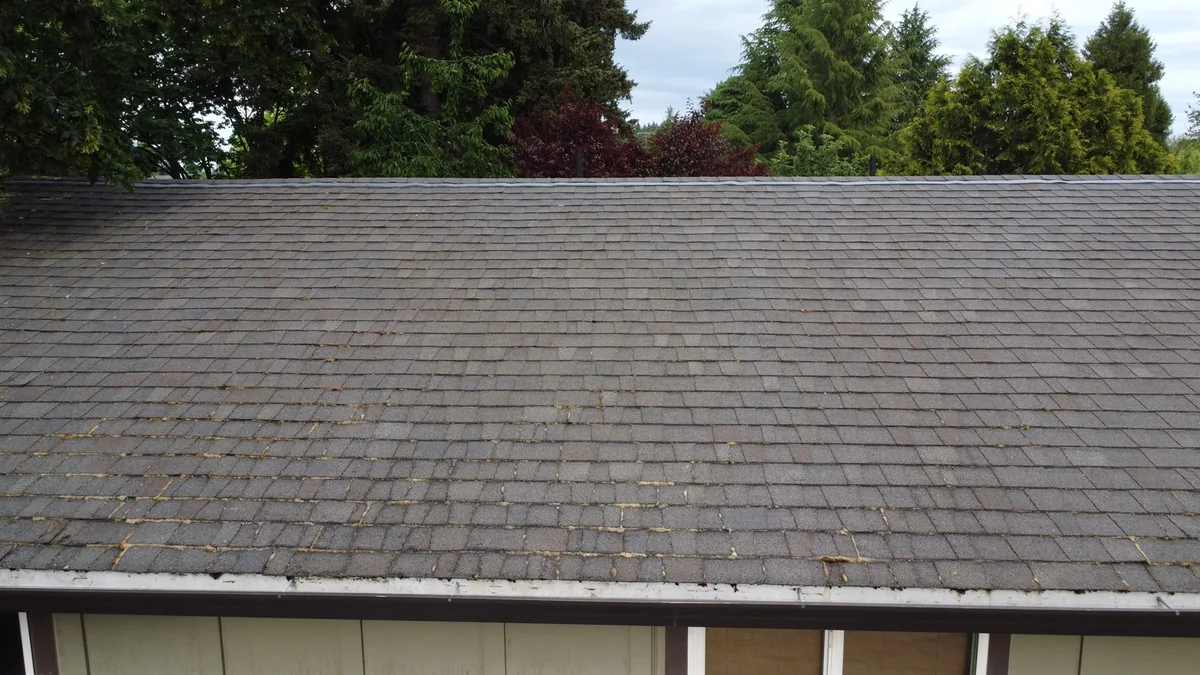
Light moss on Oregon asphalt shingles after roof moss treatment maintenance
Roof moss treatment works best as regular maintenance, not a permanent moss prevention promise.
Straight Answer

Typical Roof Moss Treatment Lifespan in Western Oregon

The honest answer is a range, not a guarantee. Around Beaverton, Hillsboro, Tigard, Portland, Aloha, and Forest Grove, most homeowners should think of roof moss treatment as a 12 to 24 month maintenance window.

Common roof moss treatment lifespan ranges in western Oregon
Roof Condition Typical Effective Window Why It Changes Maintenance Approach
Sunny roof with light moss Often closer to 18 to 24 months The roof dries faster and has less organic debris feeding growth. Inspect once a year and retreat when early green patches return.
Shaded roof with tree cover Often closer to 12 to 18 months Needles, leaves, shade, and damp roof planes keep moss conditions active. Plan annual roof moss maintenance before the wettest season.
Heavy existing moss Treatment alone may not be enough Thick moss can hold moisture and dead material on the shingles. Consider roof cleaning first, then treatment for ongoing prevention.
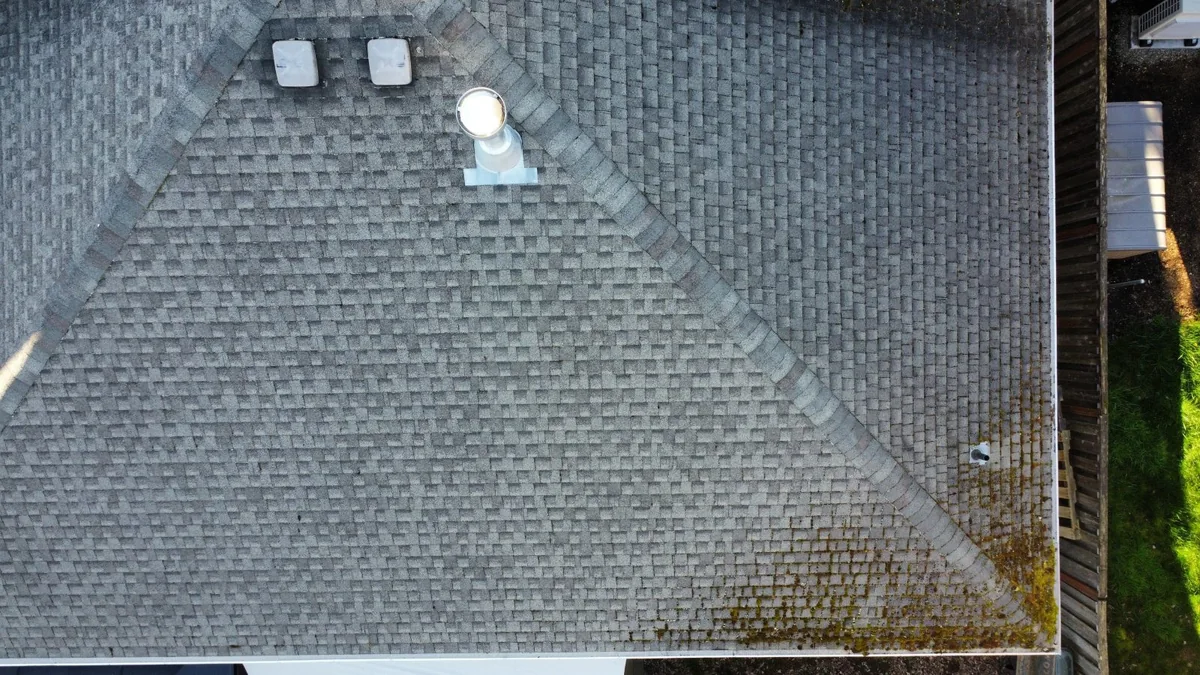
Close up of moss growth on Oregon roof shingles before roof moss treatment
Why Results Vary

Rain, Shade, and Tree Cover Drive the Timeline

Western Oregon gives moss what it likes: long rainy stretches, cool weather, shaded roof sections, and plenty of organic debris. A roof under tall firs in Beaverton or west Portland will usually grow moss faster than a roof with open sun exposure in a newer neighborhood.

Oregon rainfall matters because roof surfaces may stay damp for days at a time during the wet season. Tree cover adds needles, leaves, pollen, and shade. North-facing roof planes and areas below overhanging branches usually show the first signs of returning moss.

That is why roof moss prevention is never permanent here. Treatment can slow the cycle, but it does not change the weather, shade, pitch, or debris pattern around the house.
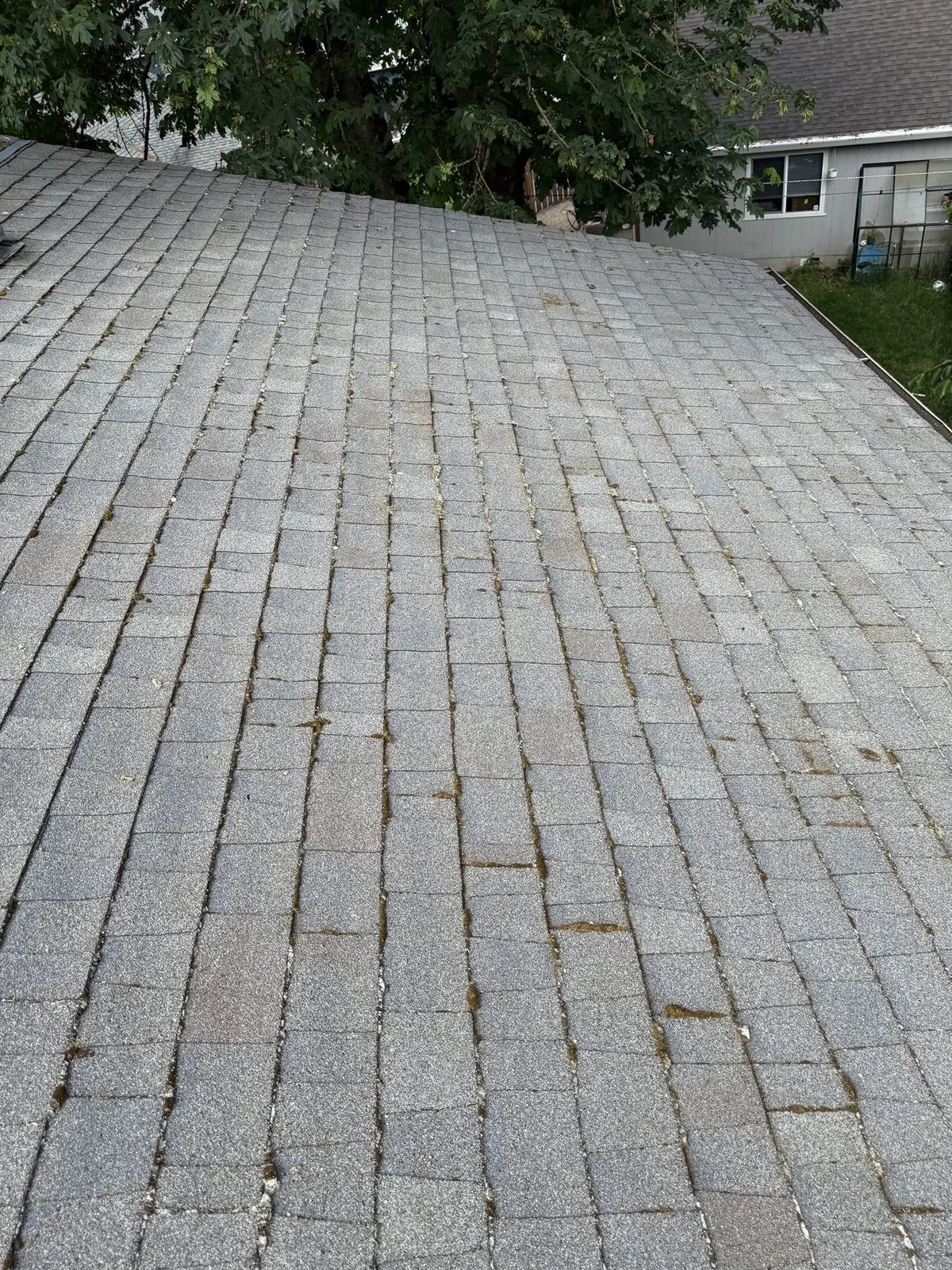
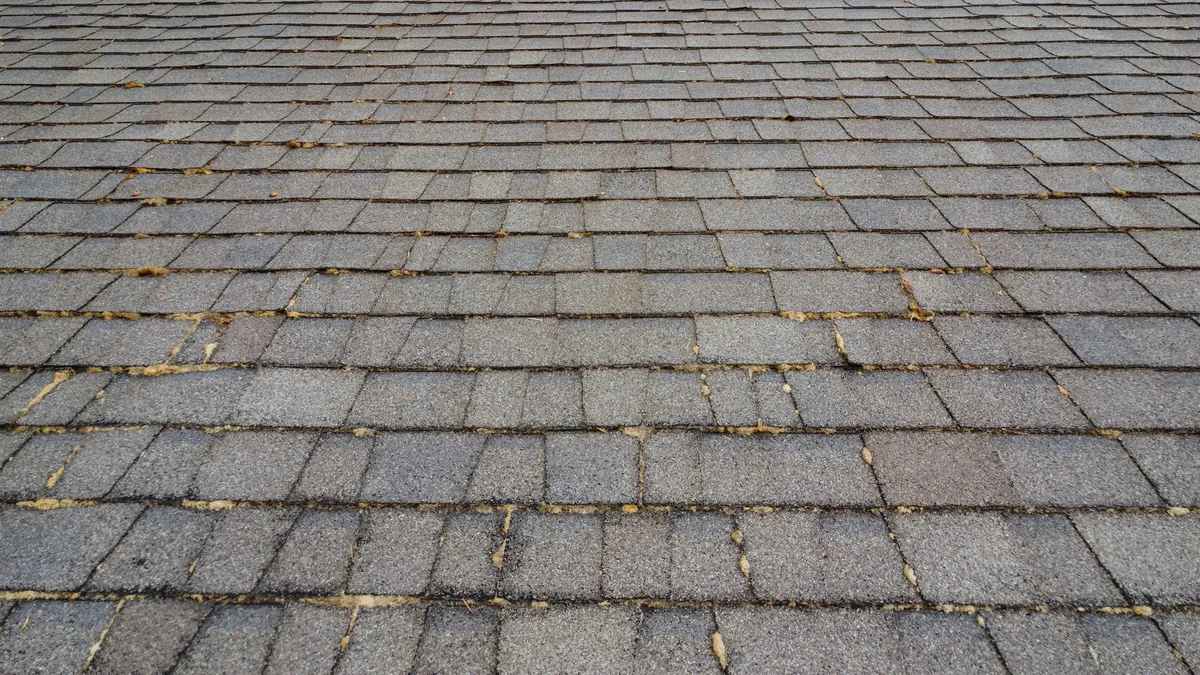
Patchy roof moss on asphalt shingles where maintenance treatment may be appropriate
Roof Details

Pitch and Moss Severity Change the Plan

Roof pitch affects how quickly water, debris, and dead moss move off the surface. Steeper sections often shed moisture better, while flatter or lower-slope sections can stay damp longer and collect more debris in valleys and transitions.

Moss severity matters too. Light moss can often be handled as a maintenance treatment. Thick, spongy moss is different. Treatment kills moss gradually, but it does not instantly lift heavy material off shingles. If moss is already built up in clumps, a careful roof cleaning may be the better first step.

For a deeper look at why heavy moss should not be ignored, read what moss does to your home.

How Treatment Works

Why Roof Moss Treatment Kills Moss Gradually

A liquid treatment is meant to stop and break down moss over time. After application, moss can discolor, dry out, and loosen gradually as rain, wind, and roof drainage do their work. That slow change is normal.

Homeowners sometimes expect the roof to look freshly cleaned the same day. That is not how treatment-only service usually works. Treatment is about killing active growth and helping with roof moss maintenance. Full cleaning is about physically removing heavier moss first.

If you are comparing service options, the guide on roof cleaning vs roof moss treatment explains when each one makes sense.

Asphalt shingle roof after moss treatment in western Oregon
Maintenance Schedule

When Retreatment Is Recommended

For many western Oregon homes, a practical roof moss maintenance schedule is an annual inspection with retreatment every 12 to 24 months as needed. Roofs under heavy tree cover, roofs with persistent shade, and roofs with a history of moss usually sit on the shorter end of that range.

Retreatment is easier when moss is still small. Waiting until green patches turn into thick pads usually means the roof may need more labor and a higher-cost cleaning visit. The roof moss treatment cost guide explains why timing, severity, pitch, and access affect pricing.

The best schedule is based on what the roof is doing, not a fixed calendar promise. Photos from the ground are often enough for Suds Doctor to help decide whether treatment, cleaning, or simple monitoring makes sense.

What to Watch For

Signs Roof Moss Treatment Is Wearing Off

When treatment is no longer keeping growth in check, the roof usually tells you before the problem becomes severe.

Early Signs
  • Small green patches returning on shaded roof planes.
  • Moss starting along shingle edges or roof valleys.
  • North-facing sections staying visibly damp or dark.
  • Needles and leaves collecting in the same problem areas.
  • Gutters catching more roof moss debris after storms.
Time to Act
  • Green patches are spreading instead of staying isolated.
  • Moss has become thick enough to look raised or spongy.
  • Valleys, skylights, or roof edges are holding buildup.
  • The roof has gone more than two wet seasons without review.
  • You are already scheduling gutter cleaning because roof debris keeps falling.
Helpful Links

Plan the Right Roof Moss Service

If your roof only has early moss, roof moss treatment may be the practical maintenance option. If moss is thick, built up, or holding debris, roof cleaning may need to happen first.

For budgeting, review roof moss treatment cost. For roof risk and surface damage concerns, read what moss does to your home. If you already know you want help, the Instant Estimate is the fastest way to send property details and photos.

Realistic Expectations

No Honest Contractor Should Promise Permanent Prevention

Roof moss prevention in Oregon is maintenance, not a one-time cure. Rain, shade, tree cover, roof pitch, and roof history all affect how quickly growth returns.

A good treatment plan should reduce active moss, slow regrowth, and keep the roof easier to maintain. It should also be honest about when treatment is enough and when physical cleaning is the better recommendation.

That is the way we approach roof moss work: look at the roof, explain the tradeoffs, and recommend the least complicated service that actually fits the condition.

After Treatment

Judge Progress Over Months, Not the Same Afternoon

Treatment is intended to affect active growth gradually. Moss may discolor, dry, loosen, and weather away at different rates across the roof. Shaded valleys and thick patches can change more slowly than open slopes. A treatment-only visit should not be evaluated like a physical cleaning.

Save a set of dated photos immediately before service, shortly after, and after the roof has experienced normal weather. Use the same ground-level viewpoints. That record helps distinguish expected gradual change from new growth or an area that was too heavy for treatment alone.

Maintenance Record

Track the Roof Sections That Return First

Record the treatment date, roof areas with the most shade, nearby trees, valley debris, gutter-cleaning dates, and any later repairs. If the same north-facing lower roof returns first, the next maintenance decision can focus on that exposure instead of assuming every roof plane behaves identically.

The 12-to-24-month range is planning guidance, not a warranty. Inspect annually and use actual growth to decide. For the seasonal scheduling question, read when to treat roof moss in Oregon; for thick returning material, revisit the cleaning-versus-treatment decision.

FAQ

Roof Moss Treatment Lifespan FAQs

Short answers for Oregon homeowners trying to plan roof moss maintenance without guessing.

How long does roof moss treatment last in western Oregon?

Most liquid roof moss treatments remain effective for about 12 to 24 months in western Oregon. Heavy shade, fir trees, low roof pitch, and heavy previous moss can shorten that timeline.

Does roof moss treatment prevent moss permanently?

No. Permanent moss prevention is not a realistic promise in Oregon. Treatment helps kill active moss and slow regrowth, but rain, shade, and tree cover can bring moss back over time.

Why does my neighbor's treatment last longer than mine?

Two roofs on the same street can behave differently. Tree cover, shade, roof pitch, roof age, debris, and how severe the moss was before treatment all affect roof moss treatment lifespan.

Should I retreat every year?

Annual inspection is smart in western Oregon. Some shaded roofs benefit from yearly retreatment, while sunnier roofs with light growth may only need treatment every 18 to 24 months.

What if treatment is wearing off but the moss is already thick?

If moss is thick, raised, or packed into roof valleys, treatment alone may not be the right first step. A careful roof cleaning may be needed before applying a maintenance treatment.

Roof Moss Help

Not Sure If Your Roof Is Due for Retreatment?

Send a few roof photos through the Instant Estimate and Suds Doctor can help you decide whether your roof needs treatment, cleaning, or simple monitoring.

Call Now (971) 777-1441