Oregon Algae On Siding - Suds Doctor
Oregon Siding Guide

Algae on Siding in Oregon

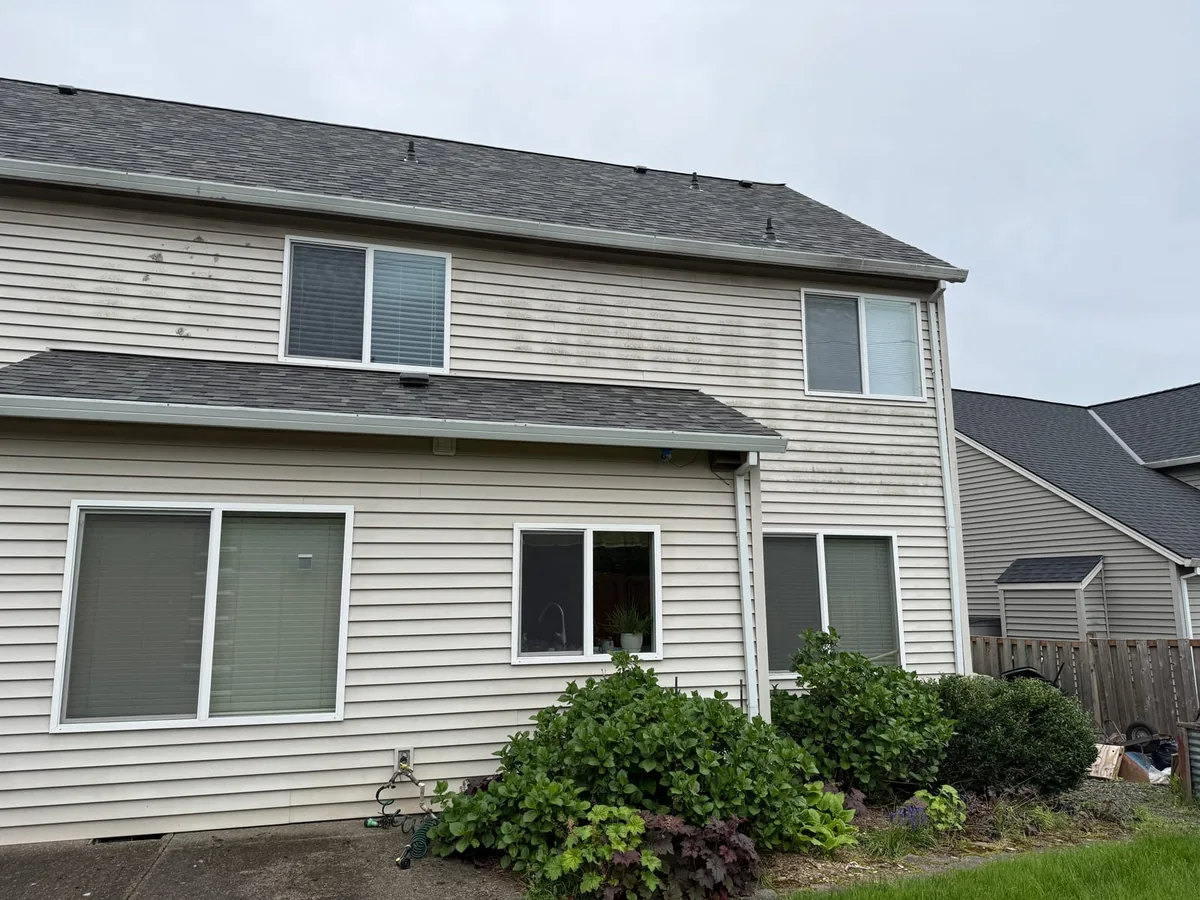
Algae on siding is common in western Oregon because moisture, shade, trees, and mild weather give organic growth plenty of time to settle on exterior walls. Green siding in Oregon usually shows up first on the north side of the home, under eaves, behind shrubs, and near damp side yards.

Green algae on vinyl siding before soft washing in Oregon
Shaded siding often grows algae faster than sunny walls.
Why It Grows

Why Algae Grows on Oregon Siding

Algae needs moisture and time. Oregon's long wet season, cool temperatures, and frequent cloudy days can leave siding damp long after rain stops. North-facing walls get less sun, so they dry slower and often turn green first.

Trees also matter. Firs, maples, hedges, and shrubs hold shade against the house, drop organic material, and reduce airflow. Humid side yards, roof runoff, clogged gutters, and landscaping close to siding can all make algae return faster.

Cleaning

House Algae Removal Usually Means Soft Washing

For most siding, house algae removal should rely on soft washing rather than high pressure. A controlled cleaning solution breaks down algae and mildew, then a low-pressure rinse removes the loosened buildup without forcing water behind siding.

Vinyl siding, painted siding, trim, soffits, and gutter faces all need a method matched to the surface. Suds Doctor's house washing service uses low pressure because siding is designed to shed rain, not handle a pressure-washer blast at close range.

Prevention

How to Slow Algae From Coming Back

You cannot stop Oregon moisture completely, but you can reduce the conditions algae likes. Keep shrubs trimmed back, improve airflow where practical, keep gutters draining, and watch the shaded side of the home before buildup gets heavy.

Many Oregon homeowners schedule siding cleaning every one to two years, with shaded homes sometimes needing attention sooner. If algae is visible from the street or spreading under eaves, it is usually time to plan a wash.

Identify the Condition

Green Growth, Oxidation, and Paint Failure Are Different Problems

Before choosing a cleaning method, look at what is actually on the wall. Organic growth usually follows shade and moisture. Oxidation and coating failure follow the age and condition of the material. Washing can remove growth; it cannot restore a failing finish.

Common siding conditions and realistic next steps
What You SeeLikely ConditionUseful Next Step
Green film concentrated on shaded wallsAlgae or other organic growthInspect the siding, then use a surface-appropriate low-pressure wash.
White or chalky residue on older vinylOxidationTest a small area. Ordinary washing may reveal uneven fading rather than restore color.
Peeling, blistering, or exposed substratePaint or coating failureRepair or repaint before washing aggressively.
Dark marks below a leaking gutter or jointRecurring water pathCorrect the drainage problem before treating the stain as a siding-only issue.
Material Matters

Match the Wash to the Siding

Vinyl siding usually responds well to controlled solution and a gentle rinse, but loose panels, open laps, oxidation, and brittle accessories deserve attention first. Painted wood or fiber-cement siding may be sound enough to wash, or it may have failed paint and open joints that need repair. Stucco and masonry finishes can hold moisture and may require a test area.

Windows, vents, exterior outlets, cameras, light fixtures, and hose penetrations are part of the inspection. Water should not be driven upward behind laps or into openings. This is why the choice between soft washing and pressure washing should begin with material and condition, not simply the color of the stain.

DIY Boundary

Start From the Ground and Keep the Scope Small

A homeowner can safely inspect siding from the ground, trim back light vegetation, clear loose items, close windows, and photograph the worst areas. A small accessible patch may be suitable for a manufacturer-approved cleaner after testing an inconspicuous spot.

Stop when the work requires an unstable ladder, when paint is peeling, when water could enter an electrical fixture, or when the siding has unknown damage. Do not mix cleaning products or assume stronger chemistry will compensate for poor access. For a whole elevation or multi-story home, controlled application, plant protection, and even rinsing usually matter more than raw pressure.

Oregon Inspection

Check the Walls That Stay Wet Longest

After several rainy days, walk the property without climbing. Compare the north wall with the sunnier elevation. Look behind shrubs, below eaves, near downspouts, around hose bibs, and along narrow side yards where airflow is limited. Around Beaverton and Washington County, mature firs, maples, fences, and closely spaced homes can create very different drying conditions on the same property.

Save dated photos. If one wall returns much faster after cleaning, that pattern may point to persistent shade, runoff, irrigation overspray, or vegetation holding moisture against the house. The related guide on house-washing frequency in Oregon explains how those conditions should set the schedule.

Realistic Results

Cleaning Reveals the Surface You Already Have

Soft washing can remove algae, mildew, pollen, cobwebs, and ordinary exterior film from sound siding. It cannot replace faded pigment, repair rotten trim, close failed caulk, remove every rust or mineral mark, or make weathered panels identical to new material.

That distinction protects both the house and the homeowner's expectations. If the green growth is the problem, cleaning can make a strong visual difference. If the underlying finish is failing, cleaning may be preparation for repair or painting rather than the final solution. Photos of the shaded wall and the overall elevation help Suds Doctor determine whether house washing fits the condition.

Fast Return

When Algae Comes Back Quickly, Look for the Water Source

Growth returning on one narrow band can point to a leaking gutter seam, irrigation overspray, a roof edge without controlled discharge, or shrubs holding damp air against the wall. Cleaning the siding again may improve appearance without changing the reason that section stays wet.

Compare the wall during dry weather and after steady rain. Note splashback near grade, staining below gutter corners, and areas behind vegetation. Correct accessible moisture contributors where practical, then use cleaning as maintenance rather than a substitute for drainage or repair.

Service Day

What a Careful House Wash Should Account For

The work should begin with material condition, access, water paths, plants, exterior power, cameras, open windows, and fragile items. Cleaning solution should be controlled, allowed appropriate contact time, and rinsed without forcing water into siding laps or openings.

After the wall dries, inspect for remaining oxidation, paint failure, rust, minerals, or permanent discoloration. Those marks are not evidence that stronger pressure is needed. They are evidence that the surface contained more than removable algae.

FAQ

Algae on Siding FAQs

Is algae on siding harmful?

Light algae is usually a maintenance issue, not an emergency. If ignored, it can spread, stain unevenly, and make the exterior look neglected.

Can I pressure wash algae off siding?

High pressure is usually not the best choice for siding. Soft washing is safer for most vinyl, painted, and trim surfaces.

Why does algae return on the north wall first?

That wall usually receives less direct sun and dries more slowly. Trees, fences, shrubs, and narrow side yards can extend the damp period.

Will washing fix chalky or faded vinyl?

No. Cleaning removes surface buildup, but oxidation and fading are material-weathering issues. Test first because washing may make uneven color easier to see.

Aftercare

Let the Siding Dry Before Judging the Finish

Wet siding can temporarily hide oxidation, fading, and uneven color. Inspect after the wall dries and compare it with untreated elevations. Remaining marks may be rust, minerals, paint failure, or weathering rather than algae that needs stronger cleaning.

Record which wall was cleaned and what moisture conditions surround it. Keep gutters functioning, prevent irrigation from spraying the siding, and maintain reasonable space around shrubs when practical. If green film returns quickly in one location, investigate runoff and airflow before simply shortening the whole-house schedule.

Good aftercare is mostly observation. It does not require a permanent coating or a promise that Oregon's wet climate will stop supporting organic growth.

Call Now (971) 777-1441