How Often Should You Wash Your House - Suds Doctor
Western Oregon Maintenance

How Often Should You Wash Your House?

In western Oregon, most homes benefit from house washing about every 12 to 24 months. The right house washing frequency depends on siding type, tree coverage, shade, algae, mold, and how much wet weather the home gets through the year.

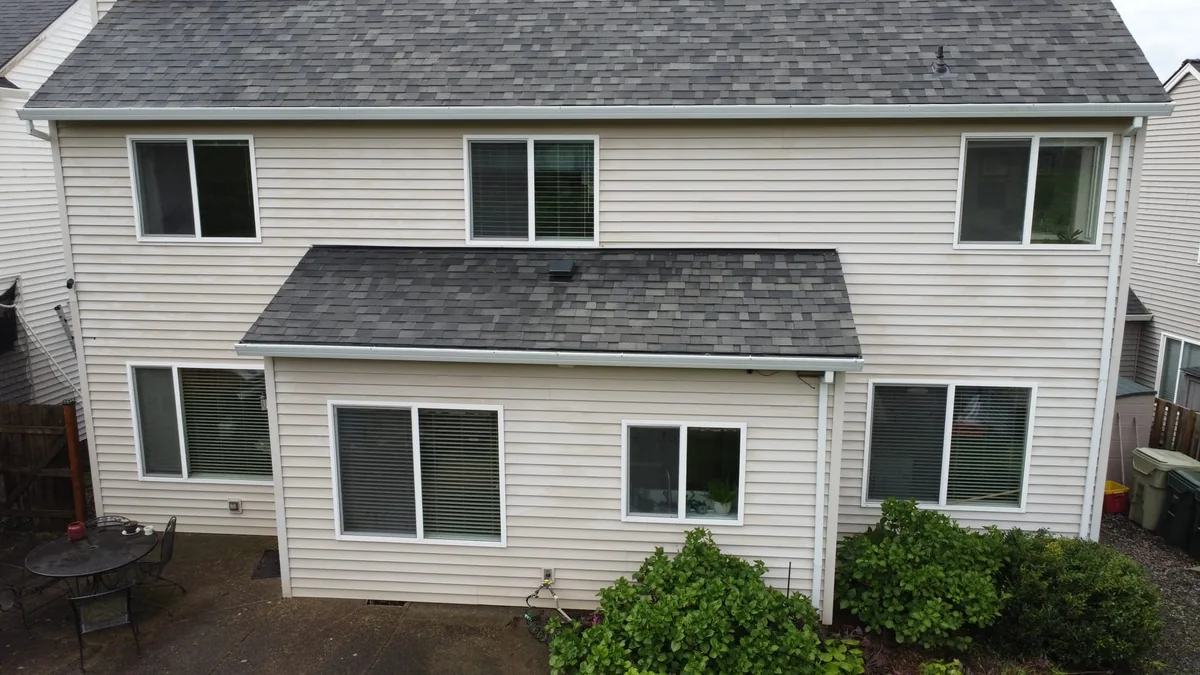
Clean vinyl siding after house washing in western Oregon
A realistic soft washing schedule depends on the side of the house that gets wet and shaded first.
Timing Guide

Western Oregon House Washing Frequency

A sunny home with open airflow may stay clean close to two years. A shaded home under trees may show green siding within a year.

House washing frequency in western Oregon
ConditionTypical ScheduleWhy
Open, sunny sidingEvery 18 to 24 monthsWalls dry faster after rain.
Tree-covered or shaded homeEvery 12 to 18 monthsMoisture, pollen, and algae return sooner.
Visible algae or moldSchedule when growth is noticeableWaiting usually makes cleaning more involved.
Siding Type

Vinyl and Painted Siding Need Different Expectations

Vinyl siding often shows algae first on shaded walls, around seams, and near landscaping. It usually responds well to soft washing, but older oxidized panels may still look uneven after dirt is removed.

Painted siding needs a closer look. Soft washing can remove algae, mildew, and dirt, but it cannot fix failing paint, rotten trim, or old caulk. A good soft washing schedule keeps buildup manageable without treating siding like concrete.

Oregon Weather

Rain, Trees, Algae, and Mold Set the Schedule

Generic national advice misses the point for western Oregon. Homes around Beaverton, Hillsboro, Tigard, Portland, Aloha, and Forest Grove often deal with wet winters, mature trees, pollen, shaded side yards, and algae-friendly humidity.

If the north side is green, gutters are streaking the siding, or mildew is building under eaves, the home is giving you the schedule. For most homeowners, a yearly check and washing every one to two years is realistic.

Condition First

Use Visible Signs Instead of an Automatic Anniversary

A calendar is only a starting point. Wash when organic buildup is established enough to affect appearance, hold moisture, or spread across sound siding. Green film on the shaded elevation, dark buildup below eaves, cobwebs around entries, and gutter-face streaking are useful signs. A light layer of dust on a sunny wall may not justify washing the whole house.

Check the property each spring and again near the end of summer. Spring shows what the wet season left behind. Late summer provides a drier window for repairs and cleaning before long stretches of rain return. Dated photos make the decision more specific than relying on memory.

Partial or Whole Home

One Elevation May Need Attention Before the Others

Oregon homes rarely soil evenly. The north wall may stay damp while the south wall dries quickly. A narrow side yard can grow algae while the street-facing elevation remains presentable. A lower wall behind shrubs may need cleaning before an open upper story.

Ask whether a partial wash will produce an even result and whether adjacent trim, gutter faces, or connected elevations will look mismatched. Sometimes cleaning the affected sides is sensible. In other cases, a complete wash creates a more consistent finish and makes setup worthwhile. The decision should follow the actual condition rather than a package rule.

Decision Guide

When to Wash, Monitor, or Repair First

Cleaning is appropriate only when the material beneath the buildup is sound.

House-washing decisions by visible condition
ConditionBest Next StepWhy
Green algae on sound vinyl or painted sidingPlan a low-pressure washOrganic growth is a cleaning problem when the finish is intact.
Light dust with no active growthMonitorA full service may not add enough value yet.
Peeling paint, soft trim, or open jointsRepair firstWashing can reveal or worsen existing defects.
Chalky vinyl or uneven fadingTest before washingOxidation may remain or become more visible after dirt is removed.
Recurring streak below a gutterInspect drainage firstCleaning the wall without correcting runoff treats the symptom only.
Preparation

Prepare the House Before the Wash

Close windows, move cushions and fragile decorations, secure pets, and identify exterior outlets, cameras, doorbells, damaged screens, and known leaks. Trim plants only when practical; the goal is access and airflow, not stripping landscaping away from the house.

Point out peeling paint, loose siding, failed caulk, oxidation, and areas where water has entered before. Good preparation helps the cleaning method protect the house instead of discovering a preventable problem halfway through the visit.

Related Decisions

Separate Frequency From Cleaning Method

Knowing that the house is due does not answer how it should be cleaned. Siding generally needs controlled chemistry and low pressure, while concrete can tolerate a different approach. Read the comparison of soft washing and pressure washing before treating the whole exterior as one material.

If the main question is what the green film is and why it returns, use the guide to algae on Oregon siding. When photos show sound siding with established organic growth, the house-washing service explains the professional scope and preparation.

Annual Walkaround

A Ten-Minute Inspection Can Replace Guesswork

Once a year, photograph each elevation from the same location. Check the lower siding behind shrubs, the north wall, areas below gutter corners, soffits, trim, hose bibs, exterior vents, and the wall beside the driveway. Compare those photos with the previous year instead of relying on a general impression.

Also note material changes: new cracks, failed caulk, peeling paint, loose panels, or soft trim. Those conditions affect whether washing is appropriate. A schedule based on actual growth and sound materials protects the home better than automatic annual service.

Special Timing

Some Projects Create Their Own Cleaning Window

Preparation for painting, listing photography, exterior repairs, and a heavy pollen or construction season can justify cleaning outside the normal interval. The scope should still match the purpose. Paint preparation may require a different standard than removing ordinary algae for appearance.

After gutter repair or landscaping changes, monitor whether the previously damp wall begins drying faster. A corrected runoff or airflow problem may lengthen the next interval. Conversely, new fencing or dense planting can shorten it by increasing shade.

FAQ

House Washing Schedule FAQs

What is a normal soft washing schedule in Oregon?

Many western Oregon homes land around every 12 to 24 months, with shaded homes closer to yearly and sunny homes often lasting longer.

Should I wait until the whole house is dirty?

No. Many homes show growth first on shaded or north-facing sides. Use condition, material, and the desired visual consistency to decide between partial and whole-home washing.

Can a house be washed too often?

Unnecessary cleaning adds cost and exposes surfaces to work they may not need. Inspect annually and wash when sound siding has established buildup rather than following an automatic date.

Should siding be washed before painting?

Often, but the painter's preparation requirements and the existing coating condition should control the plan. Failed paint, soft wood, and open joints need repair first.

Exposure Examples

The Same House Can Have More Than One Schedule

A sunny front elevation may need little beyond cobweb removal while a north-facing rear wall develops algae each wet season. Siding below a leaking gutter can soil quickly even when the rest of the house remains clean. A wall beside dense shrubs may need earlier attention than an upper story with open airflow.

Use the fastest-returning area as an inspection signal, not an automatic instruction to wash everything. Decide whether partial cleaning will look consistent, whether runoff or vegetation should be corrected first, and whether setup makes a complete wash more practical.

This condition-based approach is especially useful for westside Oregon homes with mature trees, fences, narrow side yards, and mixed sun exposure. It respects both the material and the homeowner's budget.

Call Now (971) 777-1441