Concrete Is PorousWhy a Dark Shadow Can Remain
Concrete contains pores and small surface openings. Oil can migrate below the part a brush or pressure washer reaches. Heat, time, repeated leaks, and the original finish all affect how deep that residue travels. Cleaning the surface does not always remove what has soaked into the slab.
The surrounding concrete also changes over time. Sun, tire traffic, algae, previous washing, and old sealer can create color differences. A treated oil spot may look better but still contrast with the rest of an older driveway. Honest planning should separate removable residue from permanent or semi-permanent discoloration.
Identify the StainOil, Rust, Tire Marks, and Organic Film Need Different Treatment
A dark driveway spot is not automatically motor oil. Tire marks, wet algae, leaf tannins, rust, irrigation minerals, paint, and deteriorating sealer can look similar from a distance. Applying stronger degreaser to the wrong stain adds risk without improving the result.
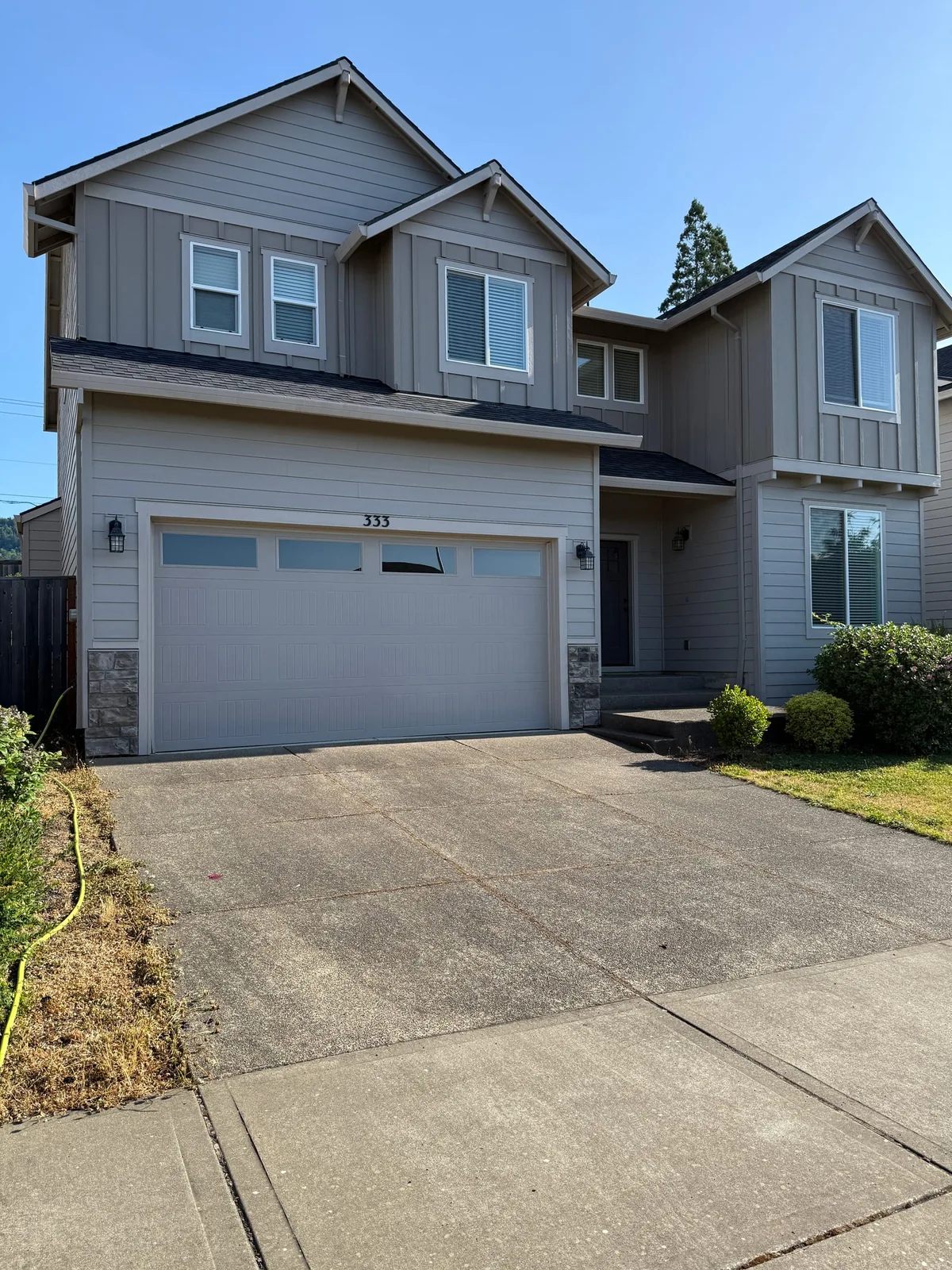
Send one wide photo showing the driveway and one close-up showing the stain edge and surface texture. Note whether the mark changes when wet, whether a vehicle parks above it, and whether the concrete is sealed, exposed aggregate, paver, or ordinary broom-finished slab.