
How Long Does Pressure Washing Take? | Suds Doctor
Project Scheduling Guide

How Long Does Pressure Washing Take?

A straightforward residential driveway often takes a few hours from setup through final rinse. A small open walkway may be faster, while patios, pavers, multiple surfaces, heavy buildup, specialty stains, or difficult drainage can turn the work into a half-day or full-day project.

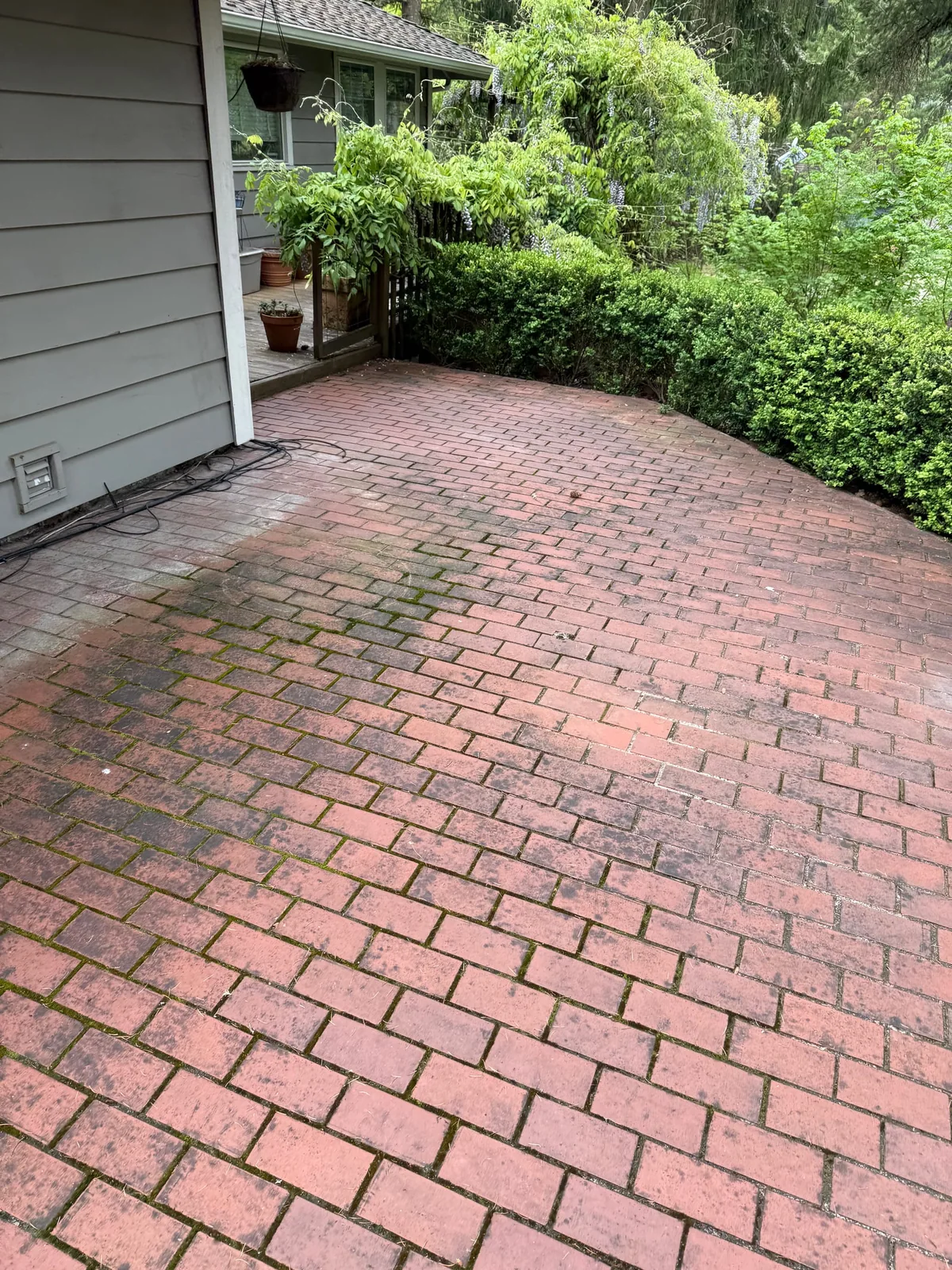
Brick patio with moss and organic buildup before a detailed pressure-washing project
Area is only one factor; access, furniture, joints, buildup, treatment, and drainage all add time.
Short Answer

The Machine-on-Concrete Time Is Only Part of the Visit

Homeowners often picture duration as the minutes a pressure washer is running. A complete job also includes unloading, connecting water, inspecting the surface, protecting nearby materials, moving agreed items, sweeping loose debris, applying appropriate pretreatment, allowing dwell time, cleaning, detailing edges, controlling runoff, rinsing, checking the result, and packing up.

A quick pass can be quick because important work was skipped. An efficient professional visit should still leave time to identify weak concrete, painted edges, paver joints, outlets, plants, doors, vehicles, and the direction water will travel. The useful measure is not “How fast can the wand move?” but “How long does this scope require to be completed safely and evenly?”

Planning Ranges

Think in Hours, Then Confirm With Photos

As rough planning—not a site-specific promise—small, open flatwork may fit within one to two hours; a typical driveway or patio commonly needs several hours; and multiple surfaces or complicated properties may require a half day or longer. Crew size, equipment, water access, setup, and the selected treatment all change that range.

Photos and dimensions make the estimate more useful. A wide driveway image shows area and slope. Close views reveal algae, moss, exposed aggregate, cracks, oil, rust, and coatings. Gate widths, stairs, hose distance, furniture, neighboring property, and low spots explain time that square footage cannot.

Time by Scope

Typical Planning Windows for Residential Flatwork

These are broad scheduling examples, not fixed production rates or guarantees.

Pressure-washing duration planning by project type
ProjectPlanning WindowWhat Commonly Changes It
Short walkway, steps, or small open padOften around one to two hoursDetailed edges, hand work, access, and nearby doors or landscaping
Typical residential drivewayOften several hoursArea, slope, moss, oil spots, exposed aggregate, apron, and rinse path
Patio or paver areaSeveral hours or moreFurniture, gates, joints, weeds, planters, low spots, and delicate edges
Driveway plus walks, steps, and patioHalf day to full day is possibleTransitions, equipment moves, treatment needs, access, and total detail work
Large, commercial, or shared propertySite-specificPhasing, public access, notice, water, recovery, operating hours, and safety controls
1. Setup

Access and Protection Can Take Longer Than Expected

An open driveway with a nearby working water source is simpler than a rear patio reached through a narrow gate and down steps. Hoses may need to cross walking routes, furniture may need to be relocated, and vehicles, mats, toys, planters, cameras, outlets, doors, and fragile decorations need a clear plan.

Homeowners can reduce delays by moving agreed lightweight items, unlocking gates, keeping pets inside, closing windows and doors, identifying known leaks or outlets, moving vehicles, and confirming water access. Do not move heavy or unsafe objects merely to save time; include them in the estimate instead.

2. Surface Review

Condition Determines Whether the Job Can Proceed

Broom-finished concrete, exposed aggregate, stamped slabs, pavers, coatings, repairs, and old patches do not tolerate the same method. Spalling, loose aggregate, failing sealer, open cracks, and crumbling edges may require exclusions or repair before cleaning.

A careful inspection may add minutes and prevent permanent marks. The companion guide explains when pressure washing can damage concrete. If a test area changes texture before the buildup releases, stopping is part of the correct timeline—not a failure to work quickly.

3. Pretreatment

Dwell Time Can Reduce the Need for Brute Force

Organic buildup may benefit from an appropriate pretreatment before mechanical cleaning. The product, surface, weather, landscaping, and label directions determine whether it fits and how it is used. Dwell time is active project time even when the machine is quiet.

Skipping treatment may not save time if the alternative is repeatedly passing over the same surface or concentrating pressure on stubborn areas. Oil, rust, fertilizer marks, paint, and mineral stains need separate expectations and may require specialty treatment. The oil-stain guide explains why a dark shadow can remain after a thorough cleaning.

4. Cleaning

Open Flatwork Moves Faster Than Detailed Edges

Suitable surface-cleaning equipment can cover broad, sound concrete more evenly than random wand passes. Edges, corners, steps, curbs, garage aprons, expansion joints, and areas beside painted trim still need controlled detail work. Paver joints and exposed aggregate may require slower movement and more caution.

Heavy moss is not simply “more dirt.” It can fill joints, collect at edges, and create debris that must be moved and rinsed. The cleaning pattern should remain even rather than chasing a single dark mark until the concrete itself changes.

5. Rinsing

Water Has to Finish Somewhere

A driveway that drains predictably may rinse faster than a small enclosed patio with no easy outlet. Dirty water can collect at low spots, along garage doors, against retaining walls, or beside planting beds. Leaves, loosened moss, soil, and joint debris need to be managed rather than pushed toward the nearest drain without thought.

Runoff planning protects the property and can add meaningful time. A second rinse may be needed after debris settles. Tight side yards, shared drives, public walks, neighboring lots, and commercial areas may need staged work or temporary access control.

6. Final Review

Wet Concrete Does Not Show the Final Color

Concrete looks darker when wet, so some variation cannot be judged immediately. A final on-site check should catch missed edges, remaining debris, equipment marks, and items that need to be returned, but the dry appearance may take longer to evaluate.

Oil shadows, rust, minerals, old sealer, repairs, aggregate exposure, and permanent wear may remain. More pressure is not automatically the answer. Save before photos and compare the slab after it dries under similar light.

What Adds Time?

Six Factors Behind a Longer Appointment

01

Heavy Buildup

Moss, algae, packed soil, and debris increase pretreatment, cleaning, and rinsing.

02

Specialty Stains

Oil, rust, paint, and minerals need separate treatment or realistic exclusions.

03

Tight Access

Gates, stairs, furniture, planters, and long hose routes slow setup and movement.

04

Poor Drainage

Low spots and enclosed patios require more deliberate water and debris control.

Drying vs. Completion

The Crew May Finish Before the Surface Is Fully Dry

Drying is separate from active service time. Sun, shade, wind, air temperature, humidity, porosity, slope, low spots, and rinse volume all matter. An open driveway can dry unevenly; a covered patio or north-facing walk may remain damp much longer.

Keep people and pets away until hoses and equipment are removed and footing is safe. If a sealer, coating, post-treatment, or next trade is involved, follow its specific cure, dry-time, or moisture requirements. Do not use a generic pressure-washing article as authorization to paint or seal damp concrete.

Weather

A Storm Can Change the Schedule Without Changing the Scope

Rain, wind, lightning, freezing conditions, low visibility, and saturated ground can delay work or slow cleanup. A mild shower does not affect every project the same way, but weather cannot be ignored simply because the equipment uses water.

Leave margin around photos, events, turnovers, and contractor handoffs. The guide to the best time to pressure wash in Oregon explains why an immediate forecast and site conditions matter more than choosing a favorite month.

Get a Better Estimate

Send the Details That Control Time

  • Wide photos of each surface and close views of buildup, stains, cracks, joints, and coatings.
  • Approximate length and width, plus steps, curbs, walls, or separate walkways.
  • Gate width, stairs, parking, hose distance, working water, and access restrictions.
  • Furniture, planters, grills, bins, vehicles, pets, tenants, or business hours that affect setup.
  • Drainage direction, low spots, neighboring property, and any area where water must not go.
  • The date of listing photos, guests, an event, a turnover, painting, sealing, or other follow-on work.

These details help distinguish a quick open-flatwork visit from a project that needs careful staging. They also improve the cost conversation; see pressure-washing pricing factors for the relationship between area, access, stains, and scope.

FAQ

Pressure-Washing Duration FAQs

How long does it take to pressure wash a driveway?

A straightforward residential driveway often takes a few hours including setup, pretreatment, surface cleaning, edge work, and rinsing. Size, buildup, stains, access, and drainage can shorten or extend the visit.

How long does pressure-washed concrete take to dry?

Drying varies with shade, temperature, airflow, porosity, low spots, and weather. Open sunny concrete may dry much faster than a covered or north-facing patio.

Can I use the area as soon as pressure washing is finished?

Wait until hoses and equipment are removed, the area has been rinsed, footing is safe, and any treatment or coating instructions have been followed.

Why can a small patio take longer than a driveway?

Furniture, tight gates, steps, planters, fragile edges, paver joints, poor drainage, and detailed rinsing can make a compact patio more time-intensive than open flatwork.

Can homeowners shorten the appointment?

Yes. Move agreed lightweight items, unlock access, keep pets inside, close windows and doors, move vehicles, identify outlets or leaks, and provide clear water-access information. Leave heavy or unsafe items for the estimate.

Plan the Day With Confidence

Get a Duration Estimate Based on the Actual Property

Send photos, dimensions, access, water, drainage, stains, and your deadline. Suds Doctor can define the likely scope and scheduling window before the project day.

Call Now (971) 777-1441