
Best Time to Pressure Wash in Oregon | Suds Doctor
Oregon Seasonal Planning Guide

Best Time of Year to Pressure Wash in Oregon

Late spring through early fall is often the easiest pressure-washing window in western Oregon because working conditions and drying time are usually more predictable. But the best day depends on the surface, immediate forecast, runoff, shade, and why the work needs to be done.

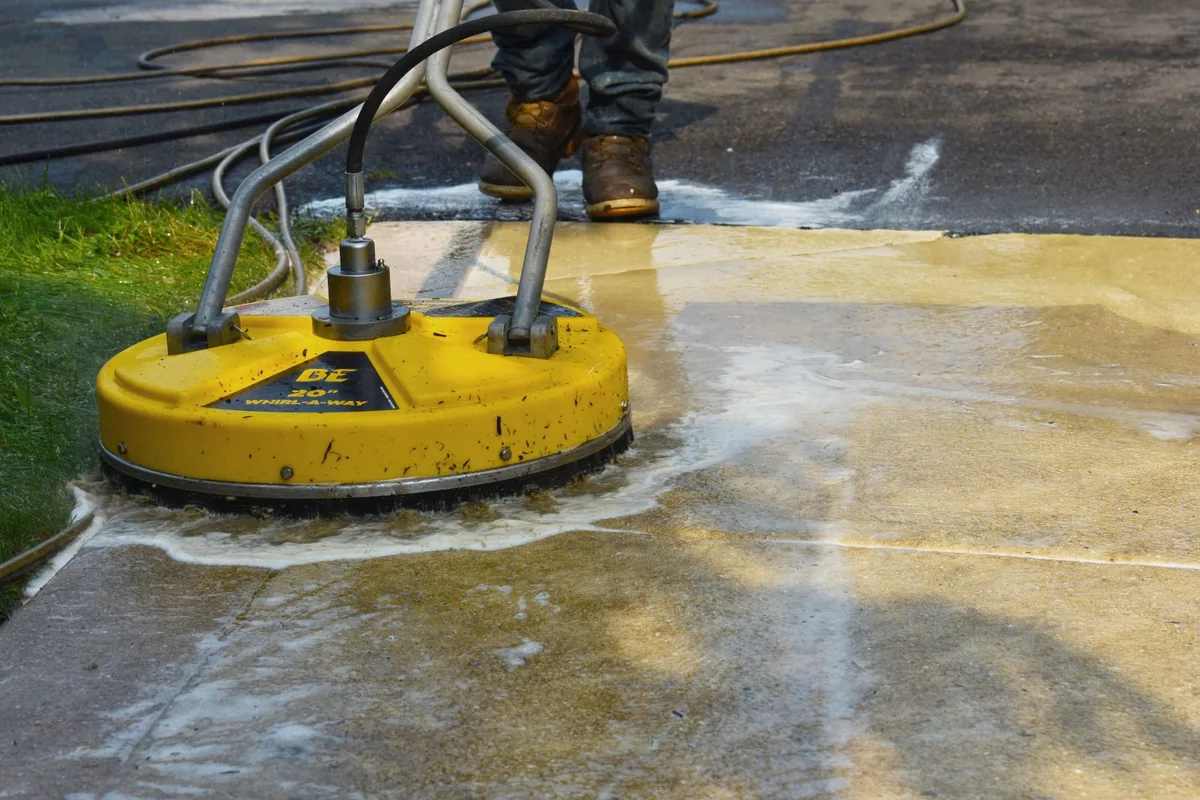
Surface-cleaning equipment moving evenly across an Oregon concrete path
A workable forecast matters, but surface condition and water control still decide whether the day is right.
The Practical Answer

Choose a Weather Window, Not a Magic Month

A calendar can help you plan, but it cannot confirm that a surface is safe to clean. A bright July day may still be a poor choice if hot direct sun dries treatment too quickly, guests need the walkway, or runoff cannot be controlled. A mild day in October may work well if the surface is sound, wind is low, and the project can be completed before the next storm.

The most useful window has safe footing, reasonable visibility, manageable wind, suitable conditions for any cleaner being used, enough time to rinse, and a practical path for water. The concrete or masonry should also be ready for service. Pressure can damage concrete regardless of season when the finish, condition, or technique is wrong.

Why Timing Matters

Oregon Rain Changes Access, Drying, and Runoff

Western Oregon homes move through long damp stretches, moss and algae growth, spring pollen, summer dust, falling leaves, and recurring fir needles. A shaded Beaverton walkway may remain wet after an open Hillsboro driveway has dried. Patios enclosed by fences and shrubs can also hold moisture longer than the forecast suggests.

Timing affects more than appearance. Heavy rain can dilute treatment, hide the dry result, and add water to a runoff plan that is already close to its limit. Wind can move spray toward vehicles, windows, neighboring property, or landscaping. Freezing weather introduces slip and equipment concerns. Those conditions deserve more weight than the month printed on the appointment.

Season by Season

Pressure-Washing Windows in Western Oregon

Each season can work. The tradeoffs change with weather, plant growth, debris, daylight, and the homeowner’s deadline.

Seasonal pressure-washing planning for western Oregon
SeasonUseful ForWatch For
SpringRemoving winter organic buildup, checking drainage, and preparing patios or entries for use.Unsettled rain, pollen, saturated soil, active nesting, and plants beginning new growth.
SummerMore predictable scheduling, easier access, and seeing the surface dry after cleaning.Hot direct sun, water-use constraints, busy outdoor areas, and cleaners drying too quickly.
Early fallImproving traction and clearing summer soil before prolonged wet weather.Leaves and needles that may immediately return, shorter days, and increasing storm variability.
Late fall and winterTime-sensitive safety, sale, turnover, or maintenance work during suitable windows.Freezing conditions, storms, low light, saturated ground, slippery access, and delayed drying.
Spring

Clean After Winter, but Plan Around Unsettled Weather

Spring makes the winter moisture pattern easy to read. Green film on shaded concrete, moss at driveway joints, dark entry steps, and runoff stains are usually visible. It is also a natural time to prepare patios and paths before heavier outdoor use.

The tradeoff is variability. Soil may be saturated, beds may be soft, and a break between showers may be too short for the selected treatment and a complete rinse. Pollen and seed debris can also land soon after cleaning. That does not make spring a bad season; it means the forecast, landscape protection, and expectations need to be specific.

Summer

Dry Weather Helps You See the Honest Result

Summer often provides the easiest scheduling and a clear view after the slab dries. It can be a good time for large driveways, patios, pavers, and multi-surface projects when access needs to stay open and predictable.

Dry is not automatically ideal. Very warm surfaces and direct sun can change how quickly cleaning solution works or dries, and local water restrictions or site-specific supply limits still apply. Morning or shaded work may be more manageable than the hottest part of the day. Product directions—not a generic seasonal rule—should determine application conditions.

Fall

Prioritize Traction Before the Long Wet Stretch

Early fall can be a strong window for cleaning algae, moss, soil, and grime from the daily walking route before rain becomes persistent. Driveways, front walks, steps, and sloped paths deserve priority when they already feel slick. The guide to slippery Oregon driveways explains why shade and moisture make some sections return first.

Do not schedule too early merely to beat every falling leaf. Maples may drop heavily over a short period, while firs and cedars continue shedding beyond a neat fall cleanup. Sweeping loose debris after the main drop may protect the cleaning result better than delaying urgent traction work.

Winter

Workable Days Exist, but the Margin Is Smaller

Winter pressure washing may be possible when temperatures, wind, rain, access, and the surface all cooperate. Time-sensitive work for an entry, rental turnover, sale, business walkway, or active slip concern does not always need to wait until spring.

However, heavy rain, frost, freezing conditions, low visibility, saturated landscaping, and short drying windows make scheduling less reliable. A responsible plan can be postponed when safety or runoff is uncertain. An appointment date should never override conditions on the property.

48-Hour Thinking

Look Before, During, and After the Appointment

The immediate forecast matters more than a seasonal average. Before the visit, consider recent rainfall, whether the ground is saturated, and whether loose leaves or needles should be removed. During the work, watch wind, changing rain, visibility, footing, overspray, and where water is collecting. Afterward, allow the surface to drain and dry enough to assess the result and return the area to normal use safely.

There is no universal dry-time promise for every site. Shade, air movement, temperature, surface porosity, low spots, and the amount of rinse water all matter. A covered north-facing patio can remain damp long after a sunny driveway. If a coating, sealer, post-treatment, or specialty cleaner is involved, follow its instructions instead of assuming ordinary rinse-and-dry timing.

For ordinary concrete planning, the companion guide on how to clean a driveway covers inspection, testing, runoff, and realistic stain expectations.

Choose the Date

Five Conditions That Matter More Than the Season

A good appointment fits both the weather and the property.

01

Sound Surface

Repair unstable concrete, loose coatings, or failing material before aggressive cleaning.

02

Safe Access

Avoid ice, lightning, high wind, poor visibility, and unstable footing.

03

Controlled Water

Plan runoff around drains, soil, buildings, public walks, and neighboring property.

04

Clear Deadline

Work backward from photos, guests, painting, a turnover, listing, or the wet season.

Schedule by Goal

Curb Appeal, Safety, and Maintenance Have Different Deadlines

For curb appeal, leave enough margin for an estimate, weather changes, cleaning, drying, and a final review before photos or guests. For safety, do not wait months to address an actively slick entry simply because summer is considered easier. For routine maintenance, watch the return of organic growth instead of booking by anniversary alone.

Painting, sealing, repairs, and landscaping can change the order. Cleaning may need to happen before a coating project, but the contractor responsible for the next step should define moisture and preparation requirements. New soil, mulch, construction, or tree work completed immediately after washing can also undo a fresh result.

Local Planning

One Property Can Have Several Microclimates

A sunny driveway near Cooper Mountain may dry differently from a side path behind a fence. Mature tree cover around Cedar Hills, Aloha, or Raleigh Hills can keep concrete damp and refill joints with needles. A patio below a roof valley may receive concentrated runoff while the front walk remains open and dry.

Send wide photos, close-ups of buildup, surface type, approximate dimensions, shade, drainage, access, and the deadline you are planning around. Suds Doctor can use those details to scope concrete cleaning, driveway cleaning, or patio cleaning without pretending one month fits every surface.

FAQ

Oregon Pressure-Washing Timing FAQs

What is the best month to pressure wash in Oregon?

There is no single best month. Late spring through early fall often offers more predictable working and drying conditions, but the surface, forecast, runoff plan, and project deadline matter more than the calendar.

Can you pressure wash in the rain?

Light unsettled weather does not automatically prevent every project, but active heavy rain, wind, lightning, poor visibility, uncontrolled runoff, or unsafe footing are reasons to postpone. Product directions may require their own application window.

Is winter too late to pressure wash?

Not always. A suitable winter weather window may work, but freezing conditions, short drying windows, storms, and slick access make scheduling less predictable.

Should I pressure wash before Oregon’s rainy season?

Cleaning slippery organic buildup before the long wet stretch can be useful, especially on entries and walking routes, if the surface is suitable and there is a workable weather window.

Will rain immediately make the concrete dirty again?

Rain alone does not recreate a mature layer of moss or algae overnight, but falling leaves, soil splash, poor drainage, and persistent shade can make some areas look dirty or stay damp sooner than others.

Plan Around Your Property

Pick the Window That Fits the Surface and the Deadline

Send the address, photos, surfaces, visible buildup, access notes, and the date you are working toward. Suds Doctor can explain which scope fits and how much weather margin makes sense.

Call Now (971) 777-1441