
Raleigh Hills - Suds Doctor
Raleigh Hills Service Area

Exterior Cleaning in Raleigh Hills, OR

Raleigh Hills homes sit around the busy Beaverton-Hillsdale Highway, Scholls Ferry Road, and Oleson Road area, then quickly transition into quieter streets with mature landscaping, slopes, retaining walls, and older exterior materials. Suds Doctor helps homeowners plan exterior cleaning around the property—not just the stain—including roof moss, gutter flow, shaded siding, steps, patios, and driveways where runoff and access matter.

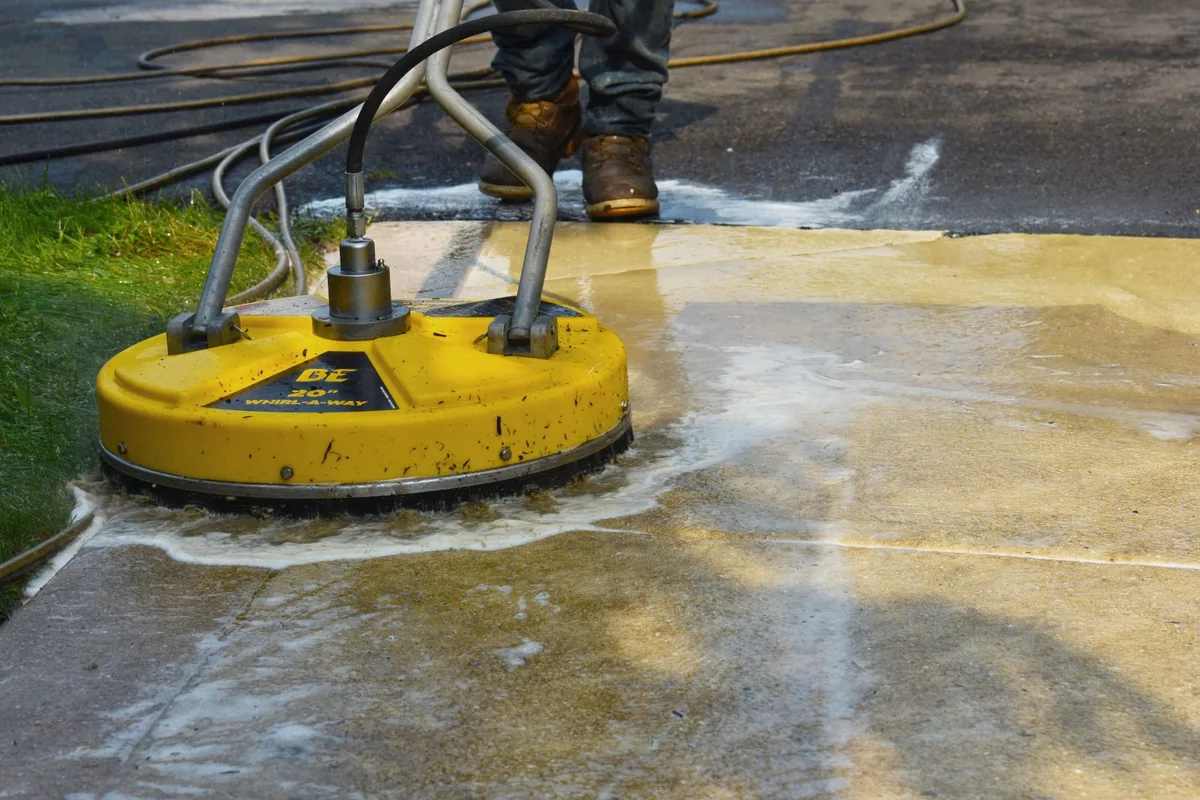
Pressure washing a shaded residential concrete path on a sloped property
Controlled concrete cleaning on a residential path.
Hillside Conditions

Water Keeps Moving After the Surface Is Clean

On a sloped Raleigh Hills lot, rinse water may travel down stairs, toward a retaining wall, across a public walk, into a neighbor's low point, or back toward the foundation. Before concrete cleaning, the drainage destination matters as much as pressure.

Downspouts that empty onto pavement can create a repeat algae zone. Cleaning restores the current surface, but the outlet may need correction to keep daily walking routes drier. A blocked underground line is outside ordinary gutter cleaning and may require a drainage specialist.

Hills also create uneven roof exposure. A high sunny slope can dry quickly while the lower side behind trees or another roof section holds moss. Wind may load one gutter with leaves even when the opposite side remains clear.

A successful hillside job does not simply move dirty water downhill. It protects the next surface, planting bed, drain, and property boundary.

Older Materials

Inspect Before Washing

Painted wood

Peeling coatings, soft trim, open joints, and old windows should be repaired or limited first.

Mixed additions

The original house and later garage or family room may need different methods.

Retaining walls

Identify masonry type, drainage, efflorescence, failing mortar, and nearby soil.

Aging concrete

Cracks, exposed aggregate, patches, and worn edges require controlled cleaning.

Low pressure does not make a damaged exterior watertight. Tell us where wind-driven rain has entered and where repairs are planned.

Service Pathways

Exterior Cleaning Services in Raleigh Hills

Choose by material, access, and maintenance need rather than applying one process everywhere.

Pressure Washing

For sound driveways, steps, patios, and walks. Slope, runoff, older concrete, exposed aggregate, walls, and neighboring property influence the plan.

House Washing

Low-pressure cleaning for algae, mildew, webs, and film on sound siding. Older paint, windows, vents, and additions receive a condition check.

Roof Cleaning

For established moss and debris. Asphalt shingles are not pressure washed; pitch, granules, access, tree cover, and shingle wear guide the scope.

Roof Moss Treatment

Liquid-applied treatment with full coverage for lighter growth or maintenance. It works over time and may recur as shade and debris continue.

Soft Washing

Uses low pressure and an appropriate solution where force could damage siding or trim. The guide compares it with flatwork pressure washing.

Gutter Cleaning

Removes leaves, needles, roof grit, and compacted debris while checking accessible downspout flow before heavy Oregon rain.

Safety First

Prioritize the Route People Actually Use

A large driveway may look worse, but a shaded stair or narrow side walk can be the real daily risk.

01

Front steps

Check edges, landings, railings, and the shaded side where organic film persists.

02

Driveway incline

Traction, runoff direction, cracks, and vehicle access matter more than a perfect color.

03

Lower patio

Watch what drains from walls, decks, roofs, and upper hardscape before cleaning below.

04

Gutter outlet

Overflow above stairs or discharge across a walk should be corrected before appearance work.

Seasonal Plan

Use Rain as an Inspection Tool

Before fall storms, inspect roof valleys from the ground and clear known gutter debris. During steady rain, watch corners and downspouts. A silent outlet, water spilling behind the gutter, or flow across a stair gives specific evidence.

In winter, prioritize traction rather than whole-property appearance. In spring, compare north-facing walls with sunny elevations and note whether roof moss expanded. Dry summer weather is useful for repairing coatings, caulk, drainage, and concrete before cleaning.

Read the signs that gutters need attention and why Oregon concrete becomes slippery.

Estimate Details

Show the Elevation Change

Send wide photos from the street, upper and lower yards, stairs, retaining walls, rear access, and the route to the requested surface. Close-ups identify growth, but wide views explain equipment access and runoff.

Include gates, pets, exterior outlets, solar panels, fragile plantings, parking restrictions, and known leaks. If a wall or driveway sits near a property line, identify it clearly.

Nearby approved pages include Beaverton, Cedar Hills, and selected west Portland neighborhoods.

FAQ

Raleigh Hills Exterior Cleaning FAQs

Questions about slopes, older homes, drainage, roof moss, and shaded walking surfaces.

Can you pressure wash a steep Raleigh Hills driveway?

Possibly, after reviewing concrete condition, traction, runoff, parking, exposed aggregate, cracks, walls, and where equipment can be staged safely.

Where does wash water go on a hillside lot?

The route must be planned around drains, planting beds, stairs, retaining walls, public walks, and neighboring property. Cleaning should not simply move the problem downhill.

Is low-pressure washing safe for older painted siding?

Only when the coating and substrate are sound. Peeling paint, soft wood, failed caulk, old windows, and known leaks should be repaired or excluded first.

Why does moss grow on only the lower roof?

Lower sections may sit behind trees or the main structure, collect upper-roof debris, and dry slowly. Each slope should be judged by growth and shingle condition.

Can gutter cleaning fix water crossing my steps?

It can help when overflow is caused by debris. Downspout placement, gutter pitch, leaks, or underground drainage may require repair or a drainage professional.

Will retaining-wall stains disappear with pressure?

Not always. Organic growth, soil, efflorescence, rust, mineral deposits, and failing masonry are different conditions. Material and drainage should be identified first.

Do you need an in-person estimate for a steep property?

Sometimes. Clear photos may support remote quoting, but complex access, high roofs, retaining walls, or uncertain runoff can make a site review more responsible.

What should I send with a Raleigh Hills request?

Include the address, wide elevation photos, surfaces, slope, access, parking, drainage, property lines, material condition, roof obstacles, pets, and desired outcome.

Homeowner Takeaway

Cleaning Is Not a Drainage Repair

Exterior cleaning removes buildup from accessible surfaces. It does not correct negative grade, failed retaining-wall drainage, broken underground pipes, leaking gutter seams, or a downspout that empties in the wrong location.

If algae returns quickly in one strip, look for the water source. Redirecting drainage or repairing a leak may provide more value than increasing cleaning frequency. When the surface is sound and the moisture source is understood, cleaning becomes part of a practical maintenance plan rather than a recurring mystery.

Tell us what happens during rain, not only what the surface looks like after it dries.

Tree Canopy

Mature Landscaping Changes Roof and Siding Timing

Douglas firs and deciduous trees can affect the same property differently. Fir needles arrive throughout the year, while leaf drop creates a more concentrated fall load. Wind determines which valleys and gutters fill first.

Branches and tall shrubs close to siding reduce sun and airflow. Algae may return behind landscaping before it appears on open walls. Homeowners can create reasonable clearance on plants they control, but should not attempt dangerous tree work or cross property lines for a cleaning appointment.

After service, keep dated photos of the tree-facing roof and wall. A location-specific record helps schedule the next inspection without committing to automatic whole-house washing.

Concrete Limits

Some Marks Need a Different Expectation

Organic film and general soil usually respond to concrete cleaning. Oil, rust, irrigation minerals, fertilizer marks, tire residue, leaf tannins, and failed sealer may require specialty treatment or remain partly visible.

Older Raleigh Hills concrete can include patches, exposed aggregate, settlement, cracks, and worn edges. Removing dirt may make those conditions more noticeable. Pressure should be adjusted to the soundness of the slab, not increased until every color difference disappears.

Steps require particular care around joints, railings, adjacent painted surfaces, and downhill runoff. The objective is improved traction and a consistent safe process—not damage in pursuit of a brand-new appearance.

Before You Hire

Ask What Happens Around the Edges

For driveway cleaning, ask how runoff will be managed at the street, planting beds, garage threshold, and neighboring low point. For house washing, ask how windows, outlets, older paint, and plants are evaluated. For roof work, ask directly whether asphalt shingles will be pressure washed—the answer should be no.

Also ask what the quoted result excludes. Permanent stains, oxidation, failed coatings, concrete damage, clogged underground drains, and roof repairs should not be disguised as cleaning promises.

These questions make estimates easier to compare and help a homeowner choose the service that solves the actual problem.

Call Now (971) 777-1441