Removal or TreatmentWhen Roof Moss Removal Is the Right Service
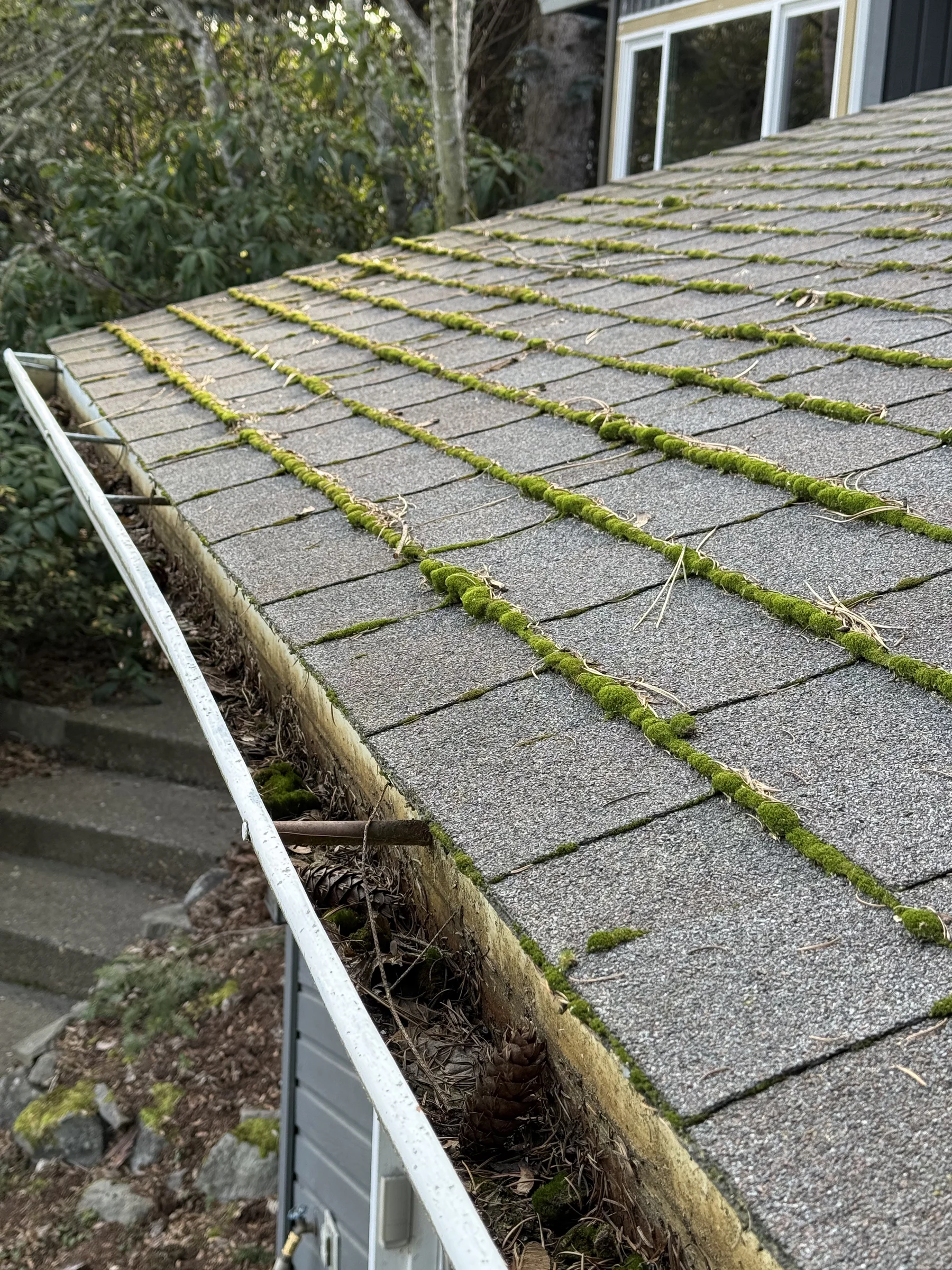
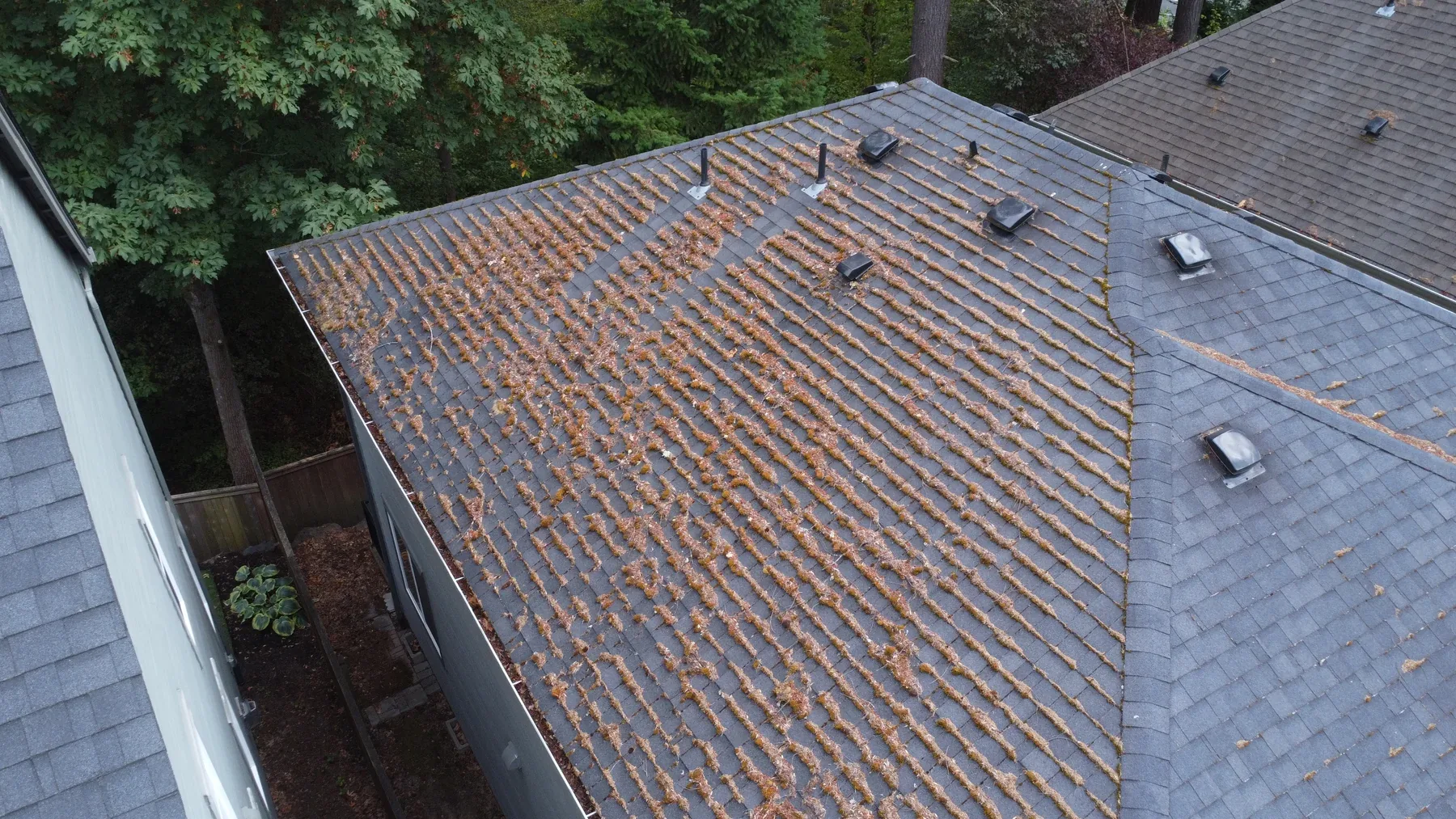
Physical roof moss removal makes sense when established growth and loose debris are already sitting on the roof. Moss that releases safely may be removed by hand or with a soft brush. Growth that is still tightly attached may need treatment and time instead of aggressive scraping that can harm the roof.
Light or returning growth may be a better fit for roof moss treatment. Treatment is a liquid application with gradual results; it is not the same as hands-on cleaning. Our guide to roof cleaning versus moss treatment explains the difference in more detail.
Roof ConditionWhat We Check Before Recommending Roof Cleaning
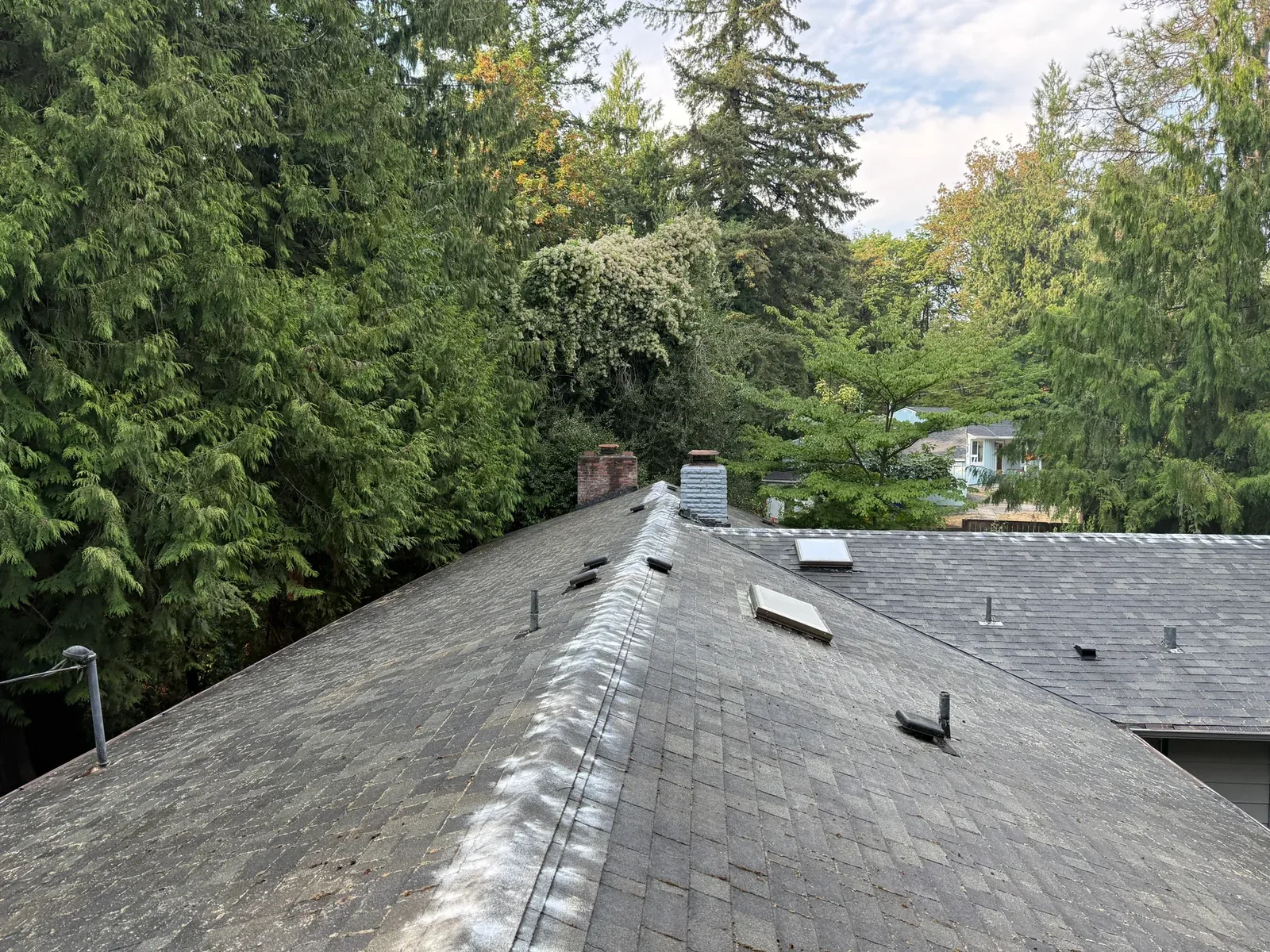
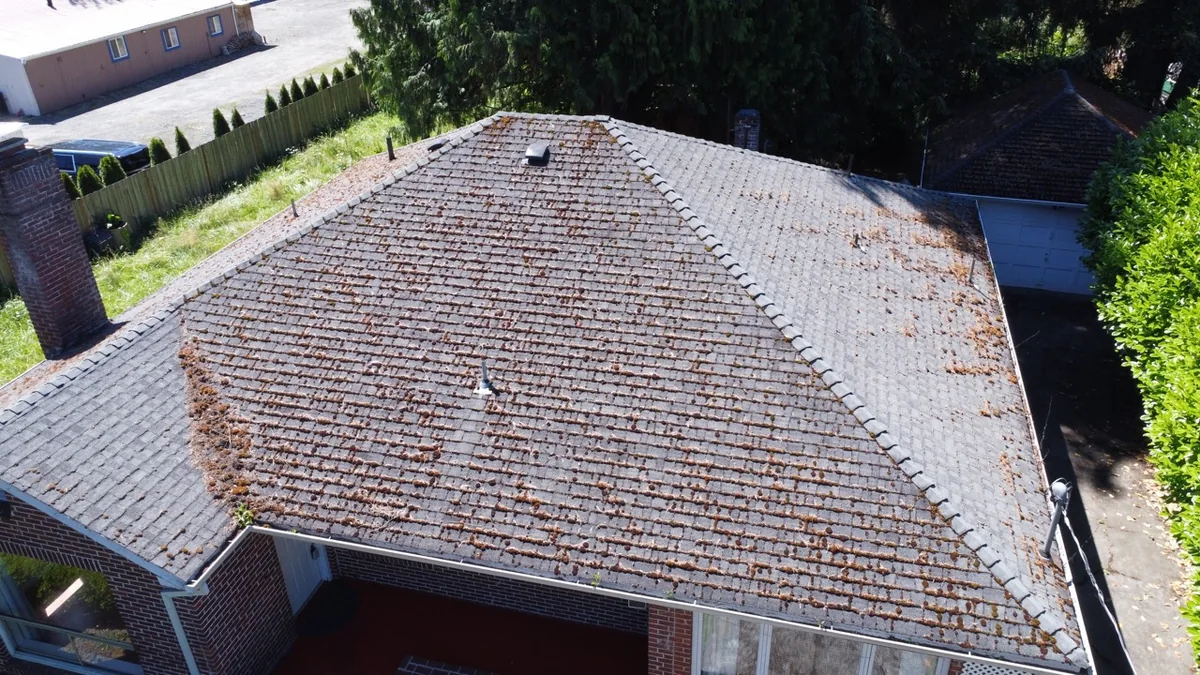
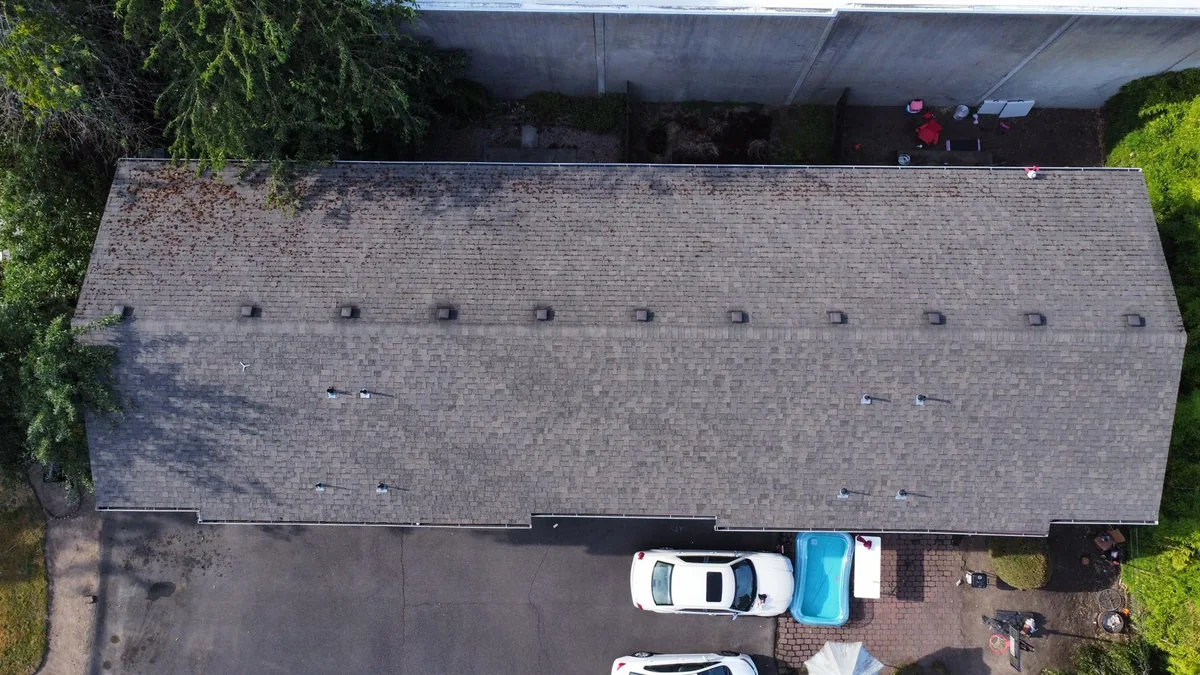
A professional roof cleaning company should look at more than the amount of moss you can see from the ground. Photos and an on-site review help us check the roofing material, visible wear, moss thickness, pitch, height, access, valleys, skylights, debris, and the areas below the eaves.
Growth is rarely the same across the whole roof. A shaded slope, tree-covered edge, valley, or lower section may need a different approach from an open area. Suds Doctor Exterior Cleaning is based in Beaverton and evaluates roofs throughout Washington County and Portland's westside by their actual condition—not a package based only on square footage.
Related DecisionsRoof Cleaning Does Not Replace Roof Repair
Cleaning removes appropriate organic material; it does not repair lifted shingles, leaks, flashing, rot, failing gutters, or storm damage. Existing stains may remain after loose moss is gone. If the visible issue is light maintenance growth rather than accumulated material, treatment may be the less intrusive option.
Gutters often deserve review at the same time because loosened roof debris moves toward the eaves. See gutter cleaning and downspout service, the guide to what moss can do to a roof, and the roof-cleaning cost guide for estimate factors.